Ink dries slowly in the damp air of a family apartment. For most, returning home means shared meals, old photographs pulled from dusty shoeboxes, and the comfortable rhythm of voices that have known you since childhood. But borders are fragile things. When you carry a history of defiance in your hands, the simple act of crossing into familiar territory can become a trap.
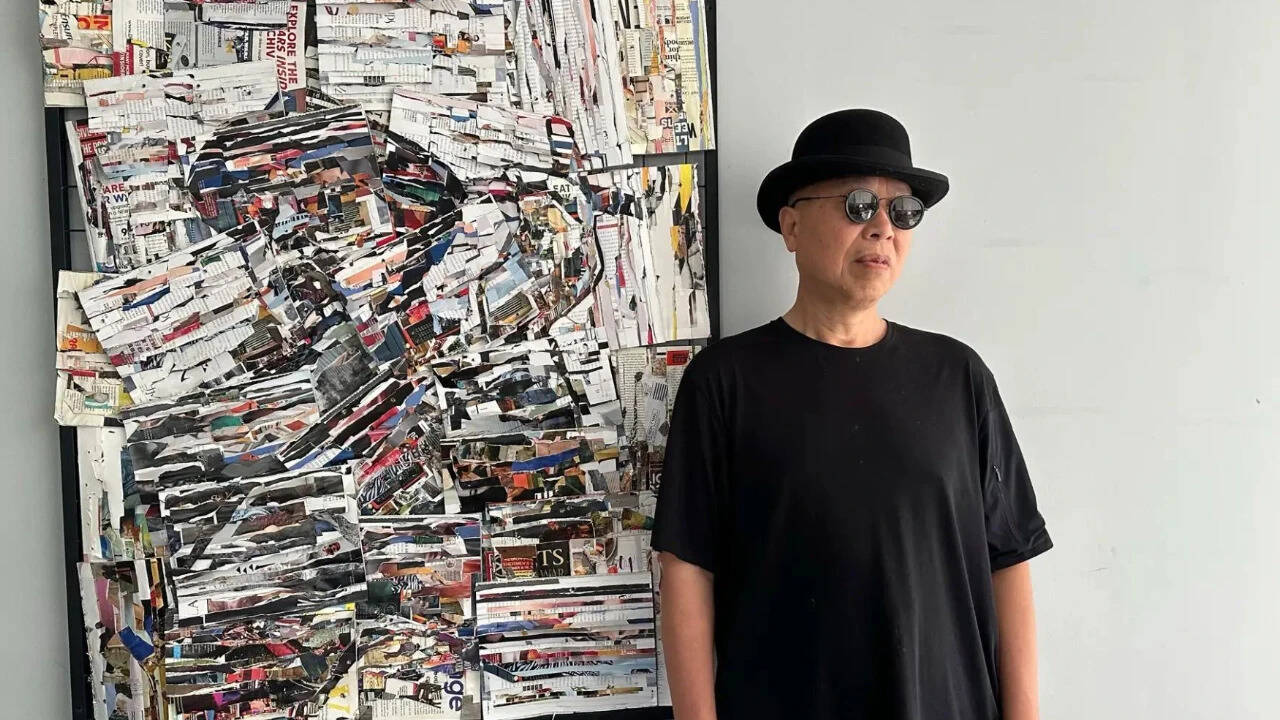
Gao Zhen knew the risks. Every artist who has ever looked at a monument and seen a cage understands the price of vision. Alongside his brother, Gao Qi, he had spent decades building a body of work that refused to look away from the scars of the twentieth century. Their sculptures were not polite. They were loud, provocative, and entirely unwilling to let the past remain buried.
Yet, blood pulls. A family reunion in China promised warmth, the kind of quiet belonging that exile denies you.
Instead, it offered a jail cell.
Silence descended after he landed. Days blurred. Then came the confirmation that haunts every dissident who dares to test the patience of an authoritarian state. Arrested. Detained. Charged. The accusation was as vague as it was terrifying: picking quarrels and provoking trouble, a favorite legal instrument used to sweep away inconvenient voices. Three years. That was the cost of a homecoming.
Consider what happens when a government decides that clay and bronze are threats to national security.
Decades ago, the Gao brothers created works that confronted the Cultural Revolution with unflinching candor. They sculpted figures that forced viewers to reckon with fanaticism, state-sanctioned violence, and the heavy toll of ideological purity. To the artists, these pieces were acts of memory. To the censors, they were open wounds that refused to heal.
Art does not die when it is hidden away. But artists do. Or worse, they are silenced into self-censorship, which is the quietest form of defeat.
When Gao Zhen stepped off the plane, he was not just a returning brother or an aging artist. He was a living archive. And archives, to those who prefer rewriting history, are dangerous property. The three-year sentence handed down to him was never truly about a specific infraction or a recent piece of commentary. It was about erasure. It was a message sent across oceans to anyone else who might mistake nostalgia for safety.
Memory is stubborn.
You can lock a man in a room. You can take away his brushes, his clay, and the freedom to watch the sun rise over the streets of his youth. You can silence his voice within the borders of his own homeland. But every chisel mark he ever made remains etched into the international consciousness. Every bronze statue standing in foreign galleries testifies to the fragility of systems that require total obedience to survive.
The family reunion never finished. The meal grew cold. The chair remained empty.
But across the world, sketchbooks remain open. Ideas do not need a passport to travel, and truth, once cast in bronze, refuses to rust away in the dark.