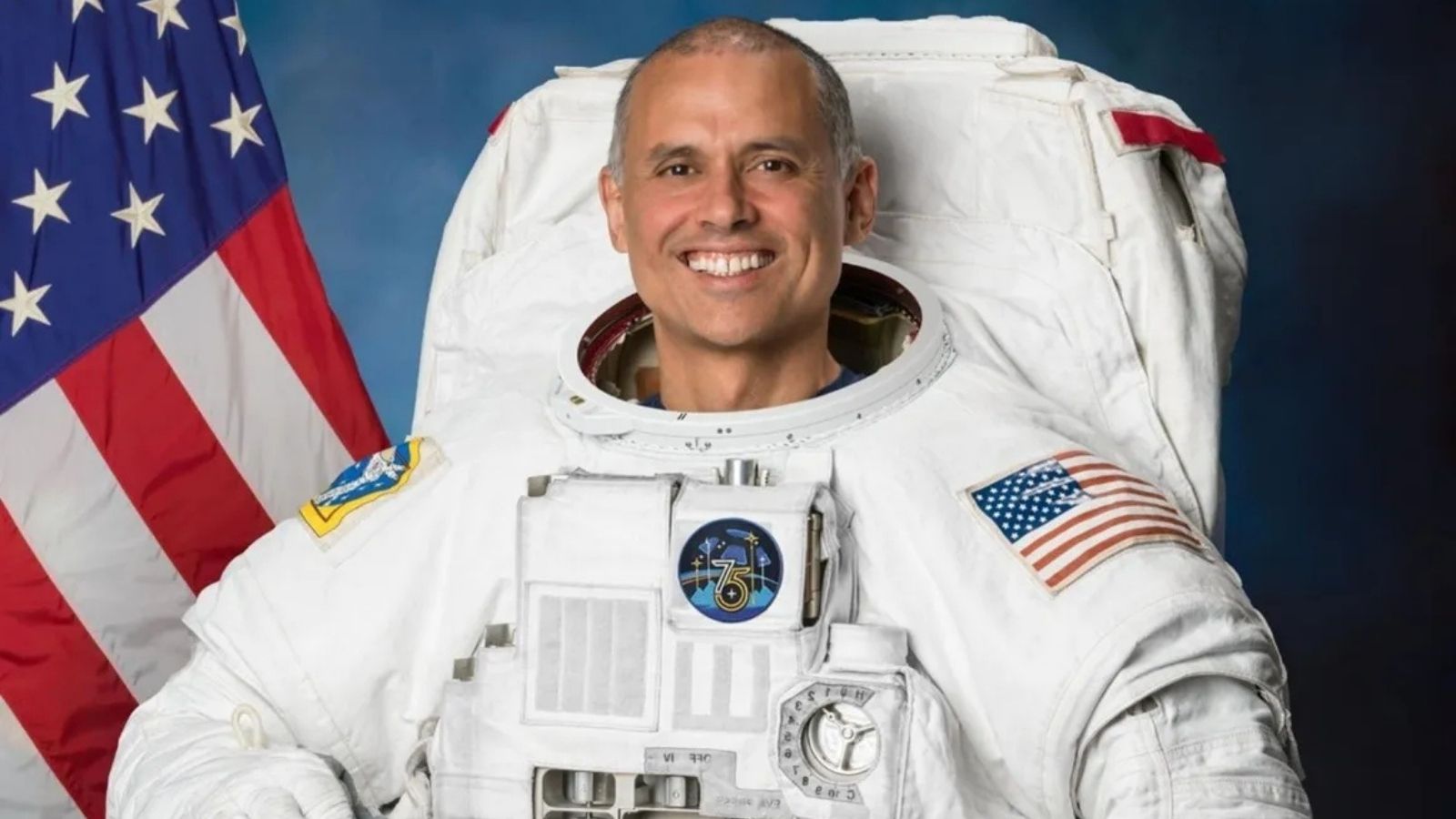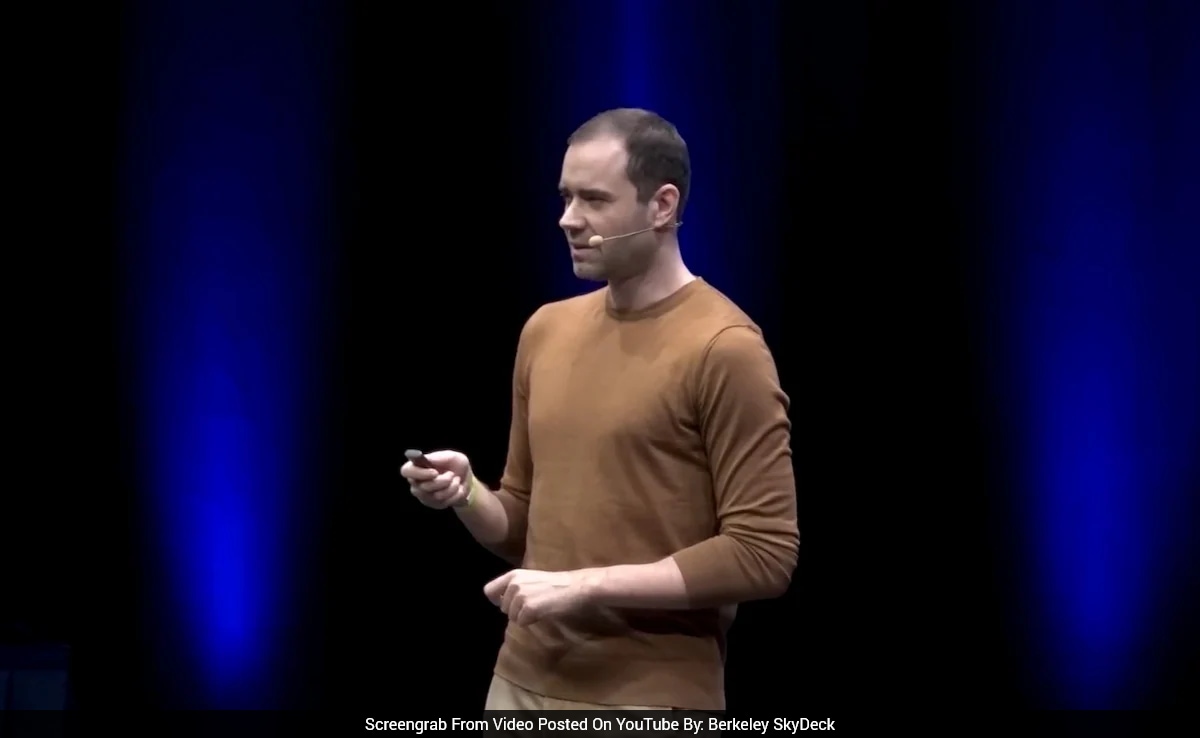
The chess pieces are moving. When Andrej Karpathy left OpenAI, the official narrative painted a picture of a brilliant researcher stepping away to pursue independent education projects. That narrative was a convenient fiction. Karpathy has quietly aligned with Anthropic, a move that fundamentally reshapes the balance of power in the generative intelligence race. This is not a standard corporate lateral move; it is a structural fracture at the bedrock of the industry. OpenAI did not just lose an engineer. It lost a piece of its foundational DNA to its most direct, fiercely ideological rival.
For years, the public has focused on GPU counts and multi-billion-dollar computing clusters. The industry knows better. The real bottleneck has always been human capital—specifically, the handful of minds capable of training frontier models from first principles. Karpathy represents the absolute apex of this group. By examining the technical and cultural schisms driving this migration, we can see where the next era of computing is actually being built.
The Architecture of a Defection
To understand why this happened, look at the code, not the press releases. Karpathy has spent his career stripping away the bloat from neural networks. His work on minimal, clean implementations of large language models showed a deep frustration with the current state of industrial AI development.
Large labs have become deeply bureaucratic. OpenAI, once a lean research collective, now operates like a legacy tech giant, burdened by massive product deployment cycles, enterprise sales pressures, and intense public scrutiny. Training a model there is no longer just about elegant mathematics. It involves navigating layers of product management, API infrastructure, and commercial guardrails designed for corporate clients like Microsoft.
Anthropic offered an alternative. Founded by OpenAI exiles who left over commercialization concerns, the company has maintained a narrower, more intense focus on core research and constitutional alignment. For a pure researcher, the appeal is obvious. Anthropic provides the massive compute infrastructure of an industry leader but retains the tighter, research-first focus that OpenAI discarded during its transition to a commercial juggernaut.
The Contrast in Research Philosophies
The two companies approach the problem of scale from entirely different psychological viewpoints.
- OpenAI has adopted an aggressive, engineering-first posture. They push models to production quickly, using real-world telemetry to patch vulnerabilities and iterate on the fly. It is the classic Silicon Valley playbook applied to frontier science.
- Anthropic treats model development like building a nuclear reactor. Their methodology is deeply academic, prioritizing rigorous mathematical safety frameworks and predictable behavior before a single weights file is deployed.
Karpathy thrives at the intersection of deep theory and clean engineering. The structural discipline at Anthropic matches his personal philosophy far better than the chaotic, product-driven sprint currently defining OpenAI.
The Talent Drainage Dilemma
This departure is part of a broader, systemic migration that senior leadership in San Francisco is desperate to downplay. The original cohort of researchers who built GPT-3 and GPT-4 is scattering. Some are founding independent startups, while others are moving to specialized labs.
When a founding member leaves, they take more than their individual output. They take institutional memory. They take the undocumented intuition—the exact recipe for learning rate schedules, dataset filtering heuristics, and optimization tricks that cannot be learned from a textbook.
[OpenAI Original Core]
       │
       ├─► Commercial Product Focus (Microsoft Partnership)
       │
       └─► Core Talent Attrition
                 │
                 └─► Anthropic Research Lab (Constitutional AI Focus)
This loss creates a compounding tax on development. Replacing a top-tier researcher is not a matter of hiring three PhD graduates from Stanford. It takes months, sometimes years, for a new engineering team to develop the same collective intuition for a specific model architecture. While OpenAI recruits aggressively from traditional tech firms, they are replacing foundational scientists with systems engineers. The focus has shifted from discovering the future to scaling the past.
Safety and the Commercialization Trap
The ideological rift between these organizations centers on a fundamental question. Can an AI company remain a research lab while answering to Wall Street?
OpenAI's transition from a non-profit laboratory to a highly commercialized entity created intense internal friction. The massive capital requirements for training next-generation models forced the company into deep dependency on corporate backers. Every research breakthrough must now be weighed against commercial viability, enterprise safety commitments, and quarterly product roadmaps.
Anthropic is not immune to commercial pressure; they have taken billions from Google and Amazon. However, their corporate structure as a Public Benefit Corporation provides a legal buffer. Their charter explicitly balances profit against safety and societal impact. This is not just ethical marketing. It alters the day-to-day engineering priorities.
Researchers at Anthropic are given leeway to investigate the internal mechanics of neural networks—mechanisms that do not immediately generate revenue but prevent catastrophic model failure down the line. For a scientist dedicated to understanding the true nature of machine intelligence, that structural difference is everything.
The Reality of Corporate Alignment
The commercial pressure manifests in the models themselves. A system designed to serve enterprise customer service lines requires different optimization constraints than a system built to push the boundaries of reasoning. When a lab prioritizes the former, the purest research minds begin looking for the exit.
The Compute Fallacy
Silicon Valley has fallen in love with a simple narrative. The company with the most chips wins. This view assumes that intelligence is a purely linear function of compute power and data volume. If you buy enough Nvidia hardware, capability follows automatically.
This is a dangerous misunderstanding of how breakthroughs happen. The scaling laws are slowing down. The low-hanging fruit of internet data ingestion has been harvested. Making models bigger is yielding diminishing returns relative to the astronomical costs involved.
The next leap will not come from brute force. It will come from algorithmic efficiency, synthetic data curation, and novel training paradigms. This work requires profound creative insight, the exact quality possessed by the researchers now migrating to Anthropic. A 10% optimization in model architecture discovered by a top-tier scientist can save hundreds of millions of dollars in compute costs and deliver capabilities that a naive scale-up cannot match. By losing the minds capable of finding these efficiencies, OpenAI risks building increasingly expensive, inefficient digital monuments while its rivals build sharper, leaner tools.
The migration of foundational talent suggests that the center of gravity for genuine innovation has shifted. The brute-force scaling era is giving way to the algorithmic refinement era, and the architects of that refinement are gathering under a different roof. The company that owns the most hardware may find itself holding an incredibly expensive hammer, while the true artists of the medium have moved on to build something entirely new.