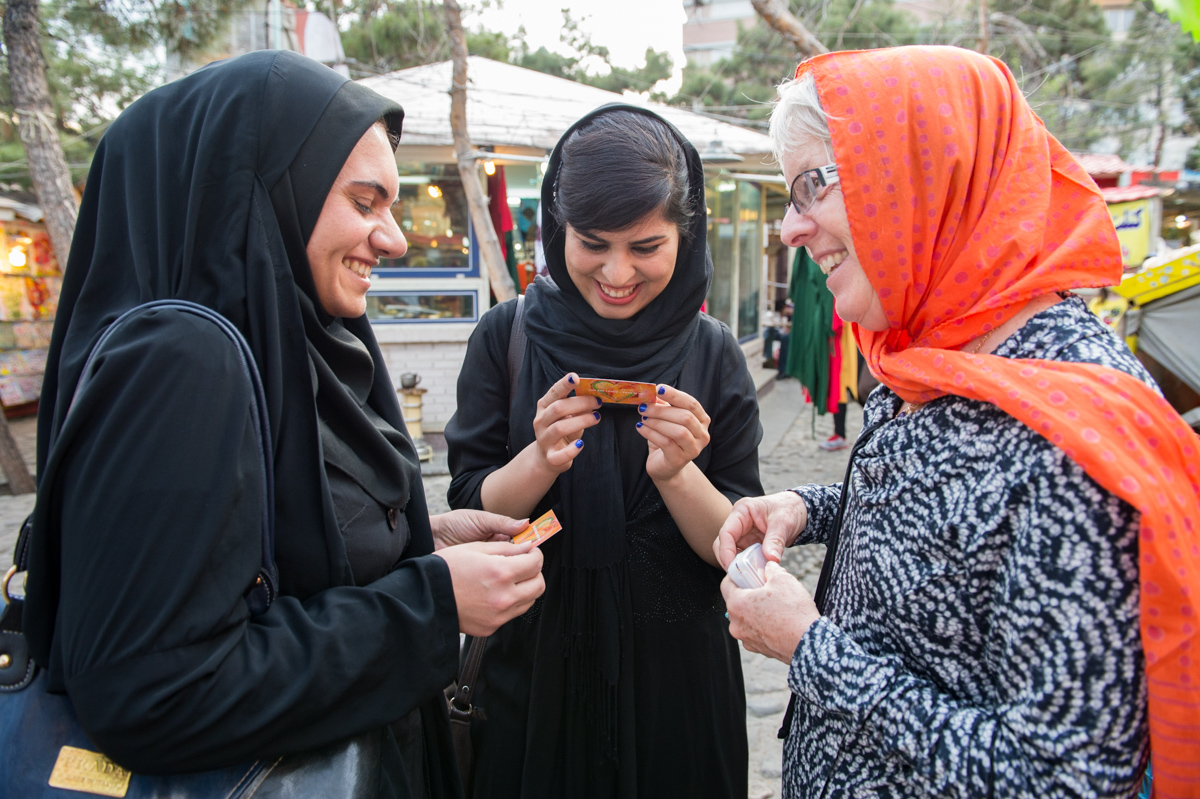
The air in Tehran does not just carry the scent of exhaust and jasmine; it carries the weight of history, a heavy, invisible shroud that presses against the chest of every person walking the Valiasr Street. But inside the high-walled compounds of the political elite, the air is different. It is thinner. Brittle. On a Tuesday that began like any other, that air shattered.
War is often described in the abstract language of maps, coordinates, and "surgical strikes." We speak of payloads and defense perimeters as if we are discussing a chess match played with cold, wooden pieces. This is a mistake. When a missile finds its mark, it does not just destroy a target. It severs a lineage.
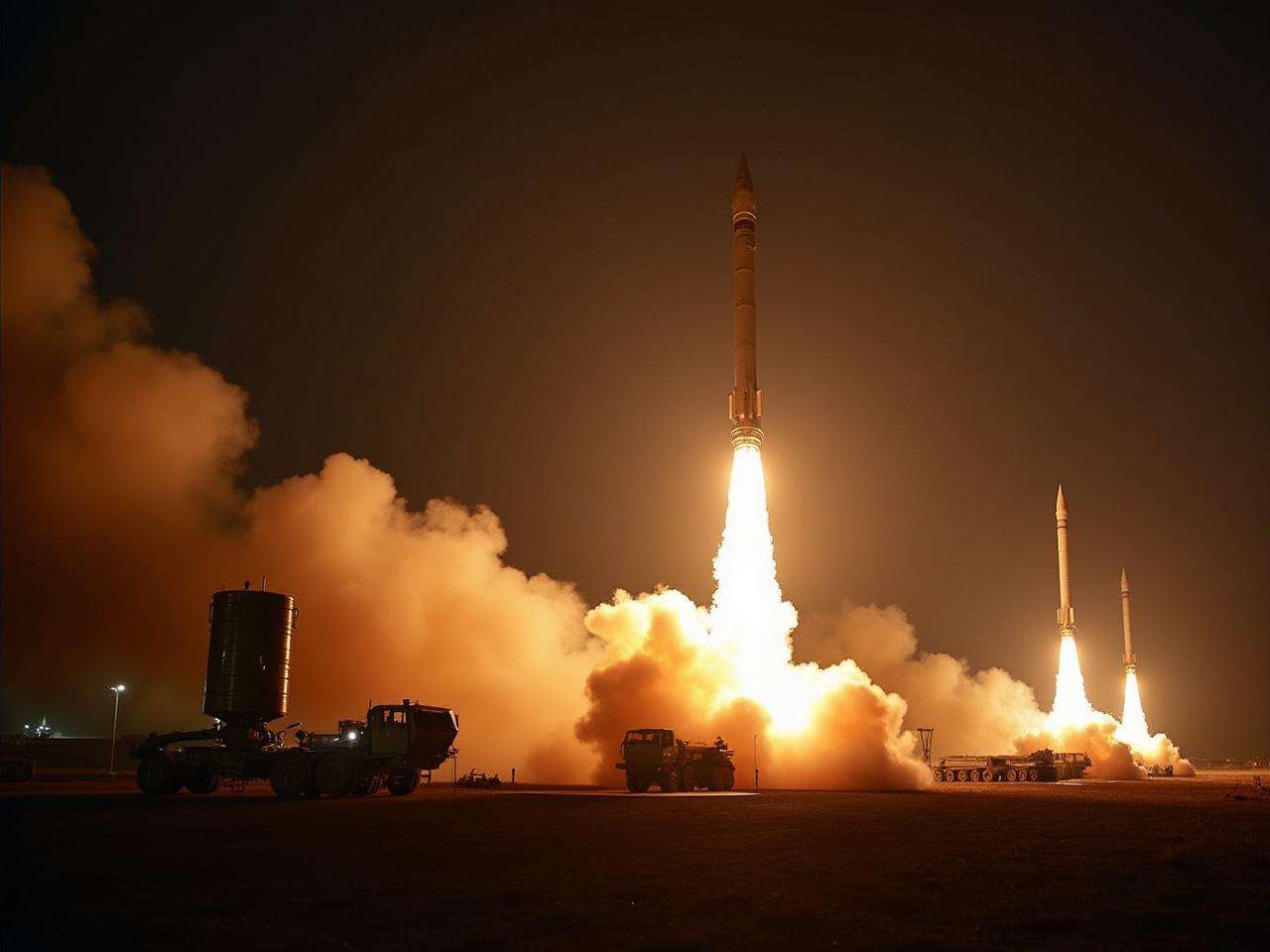
The reports filtering through the digital fog tell a story of a strike that reached past the front lines and into the very heart of the Iranian leadership. In a coordinated operation involving Israeli intelligence and American hardware, a residence was erased. In the rubble lay the remains of those tied by blood to Supreme Leader Ali Khamenei: his daughter, his son-in-law, and a grandchild.
The Weight of the Bloodline
To understand why this matters, you have to look past the geopolitics. You have to look at the dinner table.
In the rigid hierarchy of the Islamic Republic, family is not just a private refuge; it is the ultimate foundation of trust. In a system where betrayal is a constant shadow, your children are your only true confidants. They are the keepers of the legacy. When a leader’s family is targeted, the message is not merely one of military capability. It is a declaration that the sanctum is gone.
Imagine, for a moment, the psychological toll. You are a man who has spent decades projecting an image of divine protection and unshakeable strength. You command legions. You influence the tide of history across the Middle East. And then, in a flash of heat and kinetic energy, the person who called you "father" is gone. The child who represented the third generation of your name is a statistic.
The strategy behind such a strike is visceral. It aims to provoke a choice: total escalation or the quiet, crushing realization that no one is safe. Not even the grandchildren of the powerful.
The Mechanics of the Shadow War
The technical reality of this event is as terrifying as its human cost. For a strike like this to succeed, several layers of "impossibility" had to be peeled back.
- Intelligence Penetration: To know exactly where a high-profile family member is at a specific moment requires more than just satellite imagery. It requires "human intelligence"—spies within the inner circle or deep within the security apparatus.
- Precision Hardware: The munitions used in these types of strikes are designed to collapse a single floor or a specific wing of a building, minimizing "collateral" damage while ensuring the primary target is eliminated.
- The Zero-Sum Window: There is often a gap of only seconds between the confirmation of a target and the moment they move.
When these elements align, the result is a tectonic shift in the regional power balance. For years, the "Red Lines" of Middle Eastern conflict were clearly drawn. You strike the proxies. You strike the military commanders in the field. You might even strike a nuclear scientist. But you do not strike the family.
That line has been crossed. It didn't just break; it evaporated.
The Ripple Effect in the Streets
While the high-rises of North Tehran hum with the frantic energy of state funerals and security lockdowns, the rest of the country watches with a mixture of dread and exhaustion.
The average Iranian citizen is caught in a vice. On one side is a government that demands absolute loyalty and sacrifice. On the other is an international community that often seems to see the Iranian people as indistinguishable from their rulers. When news of the deaths of Khamenei’s kin broke, the reaction was not a unified roar of grief. It was a complex, jagged silence.
For some, it felt like a reckoning. For others, it felt like a terrifying harbinger of a wider war that will leave the poor to pay the price for the decisions of the powerful. The invisible stakes are not just about who sits in the seat of power, but whether the very fabric of the nation can survive a conflict that has become so deeply personal.
A Lesson in Vulnerability
There is a specific kind of hubris that comes with absolute power. It is the belief that the rules of gravity and mortality apply to others, but not to you.
Consider the "Targeted Killing" doctrine. It is built on the idea that by removing the architects of a system, you can collapse the system itself. But history suggests a different outcome. Pain, especially the pain of losing a child, rarely leads to a calm reassessment of policy. It leads to a hardening of the soul. It turns a political conflict into a blood feud.
The strike in Tehran was a masterpiece of military engineering and a catastrophe of human diplomacy. It proved that the U.S. and Israel can reach anyone, anywhere. But it also proved that we have entered an era where the battlefield has no borders, and the "human element" is no longer a deterrent—it is the target.
The Echo in the Rubble
As the dust settles over the impact site, the geopolitical analysts will talk about "proportionality" and "deterrence." They will use their charts to predict the next move in the Great Game.
But they are missing the most important detail.
The most powerful man in Iran is now sitting in a room, perhaps looking at a photograph of a grandchild who will never grow up. He is no longer just a Supreme Leader. He is a grandfather who couldn't protect his own home.
In that realization lies the true danger. A man with everything to lose is cautious. A man who has already lost what he loves most is a man who may decide that the world is no longer worth saving.
The silence in Tehran is not the silence of peace. It is the silence of a long, deep breath taken before a scream.