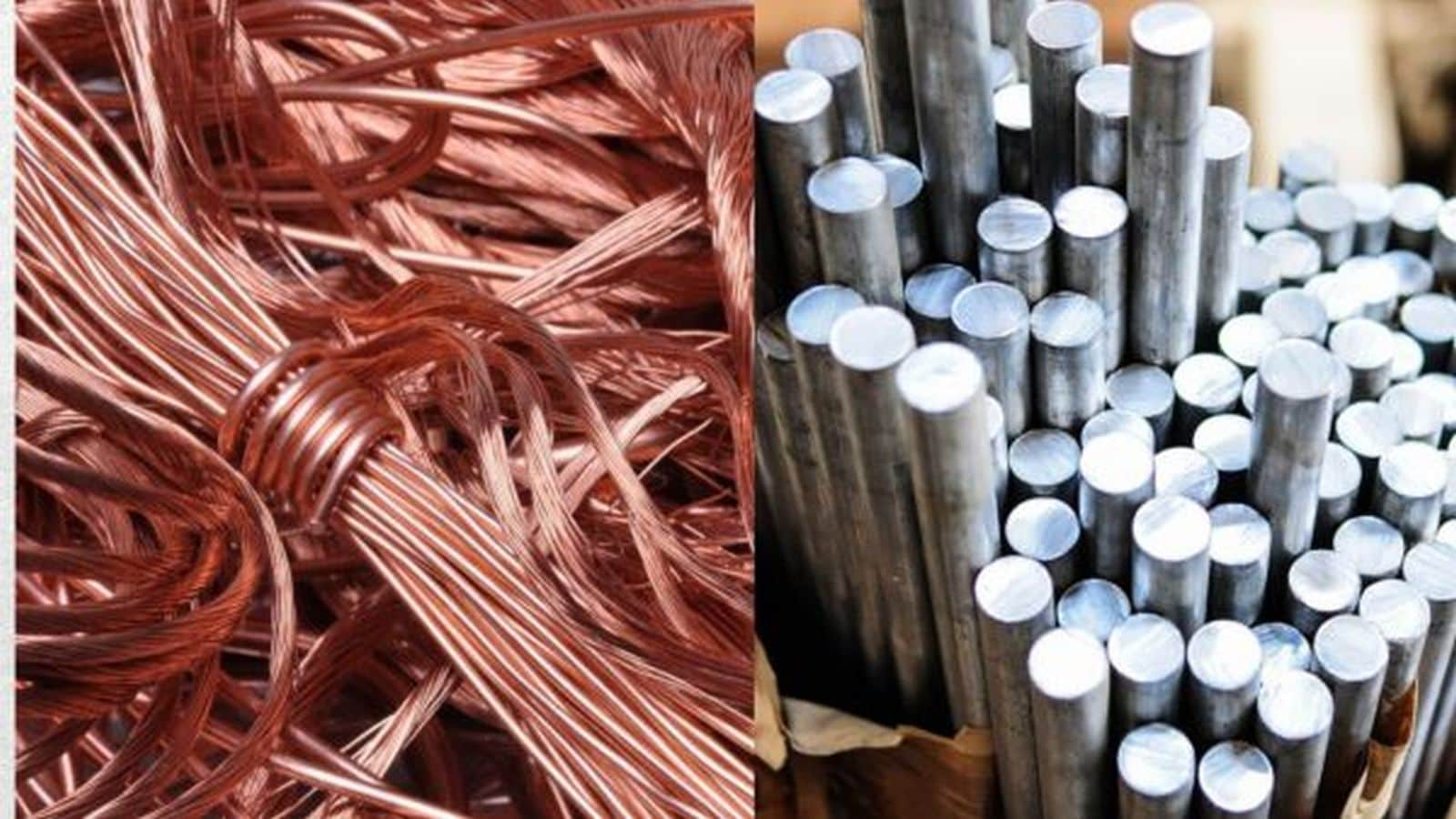
Another routine regulatory filing drops and everyone pours champagne in the primary metal boardrooms. The Directorate General of Trade Remedies recommends a shiny new five-year extension on anti-dumping duties against aluminium foil imports. Headlines cheer the defense of domestic industry. Politicians beat their chests about self-reliance.
It is economic illiteracy disguised as patriotism.
Every single time a government slaps long-term tariffs on an intermediate industrial input, it commits a quiet murder against the downstream supply chain. I have watched companies hemorrhage millions because they are forced to buy overpriced, sub-par domestic material while their international competitors source world-class foil at market rates. The anti-dumping lobby loves to paint a picture of heroic domestic producers fighting off predatory foreign invaders. The reality is far dirtier. These duties do not protect an industry. They subsidize inefficiency at the expense of everyone else who actually makes finished products.
Let us dismantle the lazy consensus.
The Downstream Bloodbath Nobody Talks About
When you penalize imported aluminium foil, you are not hurting some faceless foreign conglomerate. You are taxing the pharmaceutical packager in Gujarat, the food converter in Maharashtra, and the lithium-ion battery assembler trying to scale up for the electric vehicle transition.
Aluminium foil is not an end product. It is an ingredient. It is the skin protecting life-saving blister packs, the barrier sealing infant food, and the current collector inside modern energy storage cells. When the cost of that raw ingredient artificially spikes due to tariff walls, downstream converters face a brutal squeeze. They cannot simply pass 15 percent price hikes onto multinational clients locked into multi-year supply contracts. Instead, margins evaporate. Working capital dries up.
I have sat across the table from mid-sized packaging executives who had to choose between laying off half their shop floor or buying domestic foil that failed quality specs on tensile strength and pinhole counts. They chose survival, which often meant shutting down lines. The protectionist narrative ignores these casualties entirely. You save a thousand jobs in primary metal smelting by destroying five thousand jobs in precision converting and advanced manufacturing.
The Myth of Self-Reliance Through Trade Barriers
The core argument for anti-dumping extensions rests on a lazy premise: if we do not build a wall, foreign producers will flood the market, crush local mills, and then jack up prices once we are dependent.
History proves the exact opposite happens when you insulate domestic monopolies. Protected industries do not innovate. They stagnate.
When domestic producers know the government has thrown a tariff blanket over their market, the pressure to upgrade machinery, reduce scrap rates, and optimize energy consumption vanishes. Why spend capital on modern rolling mills when you can simply lobby for another five-year extension every time the sunset review rolls around?
True industrial capability is forged in the fire of global competition, not behind bureaucratic glass ceilings. Look at the sectors that actually export high-value finished goods. They rely on world-class inputs. If your input material is expensive and brittle, your finished product cannot compete on the global stage. By locking out efficient foreign supply, you guarantee that domestic downstream players remain permanently uncompetitive internationally.
The Export Paradox
Here is the punchline the trade lobbies never print in their press releases. Many of the companies crushed by aluminium foil duties are exporters.
Imagine you run a pharmaceutical packaging house exporting foil-sealed medicines to Europe and North America. Your foreign competitors buy their aluminium foil at global market clearing prices. You, meanwhile, are forced to pay a tariff-inflated local price because the domestic rolling mills have successfully locked out foreign competition.
How do you plan to win bids against rivals who enjoy a structural cost advantage on their raw materials? You do not. You lose market share. You watch export orders dry up while the domestic primary producer celebrates protected local margins.
Tariffs meant to foster national manufacturing end up strangling the very export champions capable of generating foreign exchange. It is a closed loop of self-sabotage.
The Uncomfortable Truth About Global Trade
Let us be completely honest about what is actually happening. Dumping accusations are rarely about fair play and almost always about margin defense. Global aluminum markets experience cyclical overcapacity. When international supply surges and prices dip, high-cost producers run to trade regulators crying foul instead of restructuring their operations.
Do foreign producers sometimes sell below cost during market troughs? Sure. That is how commodity markets clear. It is a cyclical reality, not a permanent predatory conspiracy. Punishing downstream industries with five-year tariff walls to cushion primary producers from market cycles is a terrible bargain.
If a domestic rolling mill cannot survive without government-mandated price inflation after decades of existence, it is not a strategic asset. It is an economic anchor dragging down the entire manufacturing ecosystem.
What Actually Needs to Happen
Stop treating anti-dumping duties as permanent industrial policy. If duties are granted, they must come with strict, enforceable sunset clauses tied to mandatory modernization benchmarks. If domestic mills cannot reach international quality and cost benchmarks within a tight, non-renewable window, the tariffs must drop. Let the market breathe.
Downstream manufacturers need to stop suffering in silence. The packaging, pharmaceutical, and electrical sectors must unite and aggressively challenge these protectionist petitions with hard data on margin destruction and export losses, rather than letting primary metal lobbies dictate trade policy uncontested.
The next time you read a regulatory headline cheering the extension of trade barriers, look past the PR spin. Follow the money. Someone is getting rich off an artificially inflated supply chain, and it certainly is not the consumer, the exporter, or the worker building the actual products of tomorrow. Drop the tariffs. Let the market compete.