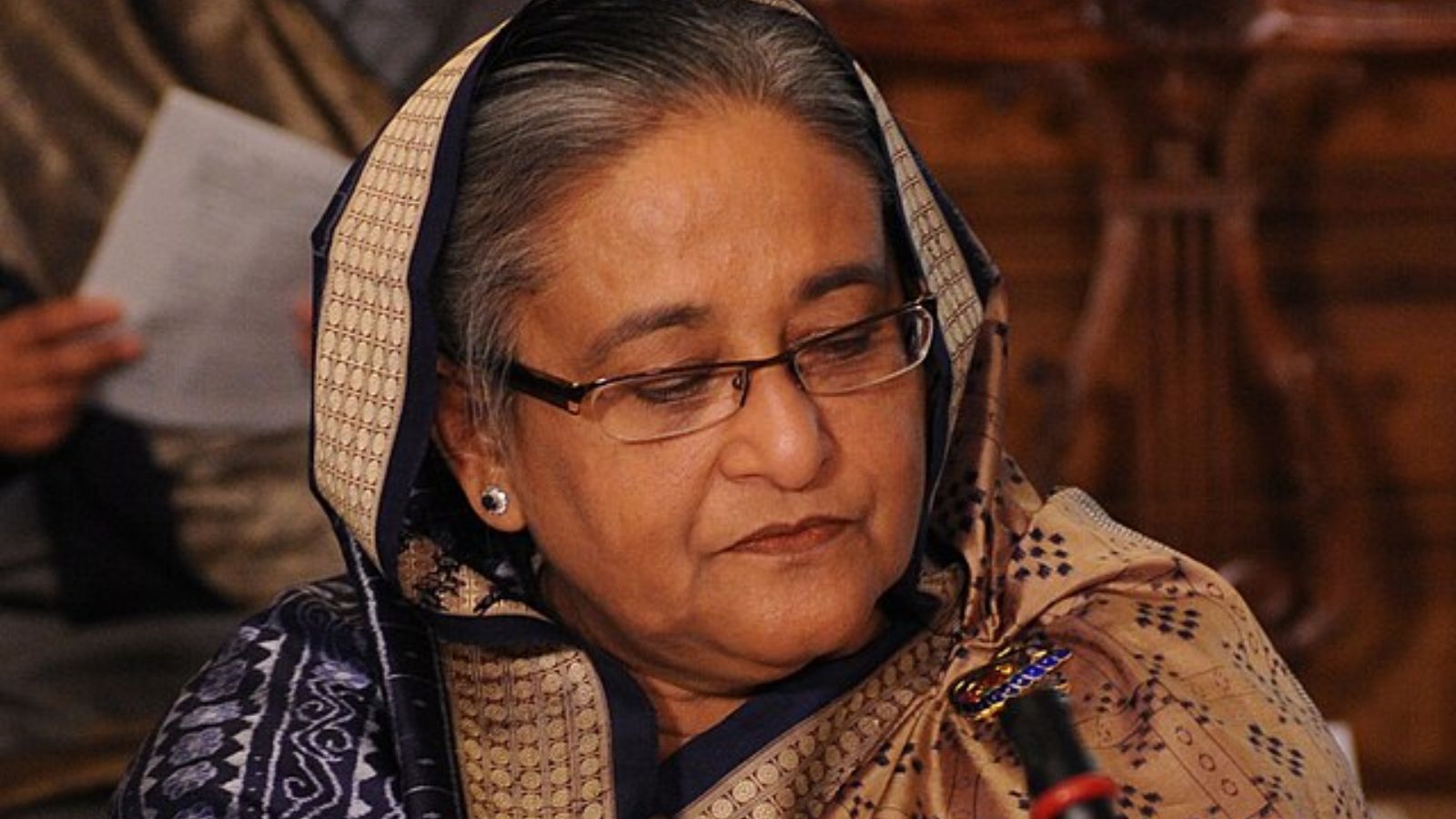
Sheikh Hasina announced she wants to step foot back in Bangladesh on December 16, declaring her readiness to face charges at home. But she hit a massive roadblock: she doesn't actually have a valid passport. Her legal team at UK-based Matrix Chambers sent multiple formal requests to the Bangladesh High Commission in New Delhi asking for a new passport and National Identity Card (NID).
Dhaka's answer was swift and blunt. Official channels responded that the state doesn't hand out passports to convicted fugitives.
That single exchange captures the absolute absurdity of the current standoff between Dhaka and New Delhi.
The Diplomatic Trap Over Travel Documents
When Hasina fled Dhaka in August 2024 following a massive student-led revolt, Bangladesh's interim government revoked her diplomatic passport almost immediately. By early 2025, her National Identity Card was blocked too.
Now, she's stuck in exile in India.
Her lawyers contend that blocking a citizen's travel papers violates basic international human rights agreements. Under standard international law, passport restrictions are meant to stop people from fleeing a country, not to lock them out from coming back home.
Dhaka wants her back. They've formally requested her extradition from India after an International Crimes Tribunal sentenced her in absentia.
Yet, when she asks for the basic papers needed to board a plane or cross a land border willingly, the answer is a hard no.
Why? Because a voluntary return completely changes the political script.
If Hasina flies into Dhaka on her own terms, it creates a massive political spectacle. It rallies her remaining Awami League loyalists and forces the current administration to manage an extremely volatile, high-profile arrival. An extradition process, by contrast, keeps full control of the timeline and narrative inside the court system.
Extradition Laws vs Voluntary Entry
Lawyers from Matrix Chambers pushed back hard against the embassy's refusal, sending signed authorization letters to prove they represent Hasina directly. They've repeatedly reminded officials that extradition and standard citizenship documentation are separate legal matters entirely.
- Extradition: Requires formal bilateral proceedings, diplomatic negotiation, and judicial clearance inside India's court system.
- Voluntary Return: Requires only basic citizenship verification and standard emergency travel certificates.
India finds itself stuck in the middle.
New Delhi is still reviewing Dhaka's extradition request while trying to avoid destroying its long-term diplomatic relationship with its neighbor. India hasn't issued public commentary on her passport demands. They're treating the document battle strictly as an internal dispute between Bangladesh and its citizen.
What Happens Next in the Standoff
Don't expect a sudden resolution. Hasina won't get a standard diplomatic or civilian passport anytime soon given the current political climate in Dhaka.
Her legal team will likely keep pressing international human rights bodies to force Bangladesh's hand on basic travel documentation. Meanwhile, Dhaka will keep pushing the extradition angle, hoping to secure her return under heavy legal custody rather than a voluntary homecoming.
Watch the diplomatic channels between New Delhi and Dhaka over the coming weeks. If Bangladesh refuses to issue emergency papers and India refuses to process the extradition swiftly, Hasina remains frozen in legal limbo indefinitely.