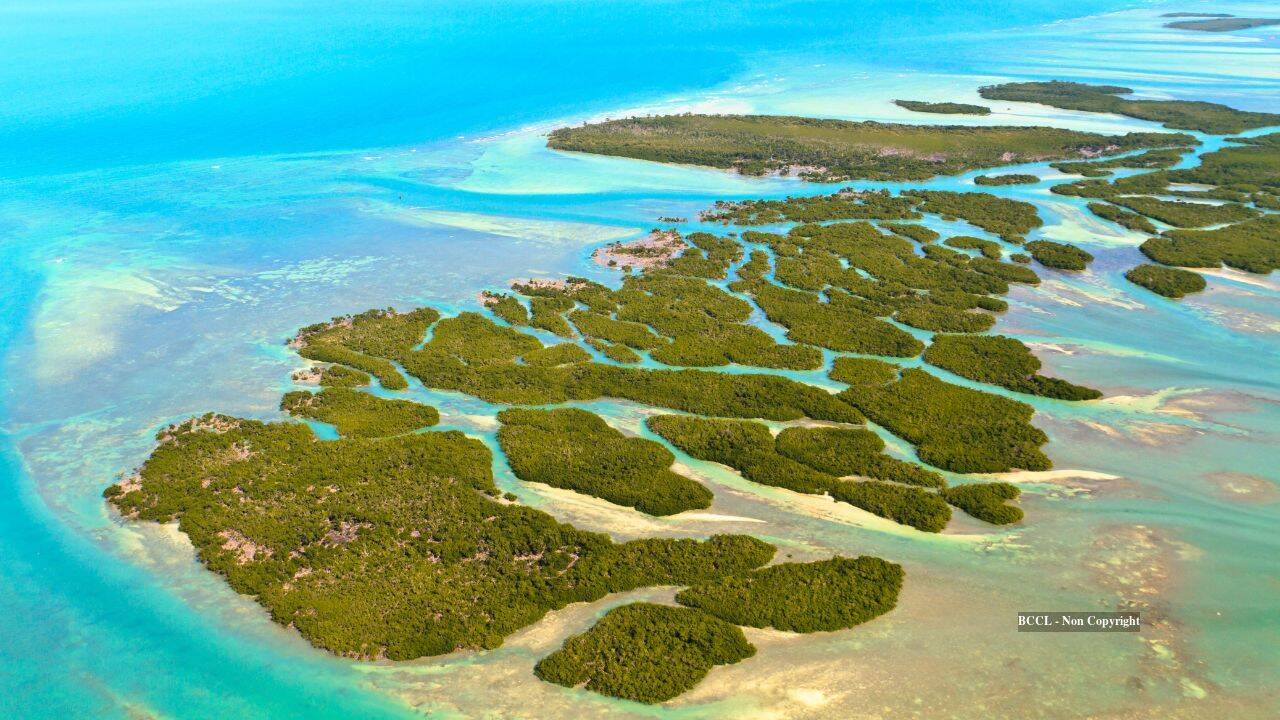
Buying land doesn't always mean you can build on it. Governments change the rules, maps get redrawn, and what was once a clear title turns into a bureaucratic nightmare. That exact reality played out over seven decades in the Florida Keys, culminating in a legal showdown that every real estate investor and landowner needs to watch closely.
Back in 1956, a physician named Robert E. Shands bought a 7.9-acre island at a federal auction. The property came with residential zoning and a clean title straight from the United States government. The plan was simple: build a quiet family retreat. But life and bureaucracy got in the way. Shands passed away in 1963 before breaking ground, handing the island down to his children and grandchildren.
By the time the heirs tried to exercise their building rights years later, the regulatory environment had completely transformed.
How Environmental Laws Stalled the Keys
In the decades following the initial purchase, Florida and local municipalities woke up to fragile ecosystems. Authorities created the Florida Keys National Marine Sanctuary, clamped down on wetland destruction, and tried to protect endangered species like the Key deer. Monroe County and the city of Marathon implemented aggressive growth controls.
In 1986, local planners rezoned Shands Key from general use to conservation offshore land. That single stroke of a pen required a minimum of ten acres to build a single home. Because the island sat at 7.9 acres, it fell short of the new minimum. The message from local officials was clear. No houses. No docks. No development.
Local government officials offered the family transferable development rights, known as TDRs, which allowed density credits to be used elsewhere. The family said no. They didn't want paper chits or credits for a different parcel. They wanted their land.
The Constitutional Clash Over Takings
The core dispute boiled down to the Fifth Amendment. When the government wipes out all economic value from private property for conservation, does it count as a taking that requires cold, hard cash?
Represented by the Pacific Legal Foundation, the Shands heirs argued that turning their private asset into a permanent public wildlife buffer without compensation crossed a constitutional line. Cities and counties across Florida hate these lawsuits because the financial exposure is massive. Monroe County alone features thousands of vacant parcels valued in the billions where owners face similar regulatory roadblocks.
If every restricted lot owner demands a payout or a building permit, local budgets will crack. Courts ultimately agreed that governments cannot simply hide behind zoning shifts and alternative paper credits to avoid paying for property they effectively seize. When the U.S. Supreme Court turned away the final local appeal, the multi-decade war reached its definitive turning point.
What This Means for Real Estate and Conservation
Land use attorneys view this outcome as a major reality check for municipal overreach. Local governments love to restrict land use under the banner of environmental protection. Protecting mangroves and marine life matters, but doing it by starving landowners of any economic use without compensation violates basic property law.
At the same time, this doesn't mean a concrete jungle is coming to the pristine waters of the Florida Keys. Environmental safeguards remain firmly intact. Getting actual construction permits still requires navigating strict stormwater rules, building codes, and local oversight. The victory gives heirs and legacy landowners a viable path to challenge unfair restrictions, but building a structure on a remote island remains an expensive, highly regulated marathon.
Check your local zoning history before buying vacant legacy parcels, because yesterday's clear title can easily become tomorrow's federal court case.