The salt air of the Gulf always carries the scent of old oil and older anxiety. Stand on the slipway at Bandar Abbas at dawn, and you can watch the container vessels crawl toward the horizon like tired beetles. For decades, the narrative of power in these waters was simple. It was penned in narrow straits, locked behind bottlenecks where a single miscalculation could choke the global energy supply. We measured geopolitical tension in miles of territorial water and the draft of gray-hulled destroyers.
Now the geography of confrontation is shifting. In similar updates, we also covered: The Anatomy of Financial Warfare: Deconstructing the Elimination of Modern Insurgent Funding Nodes.
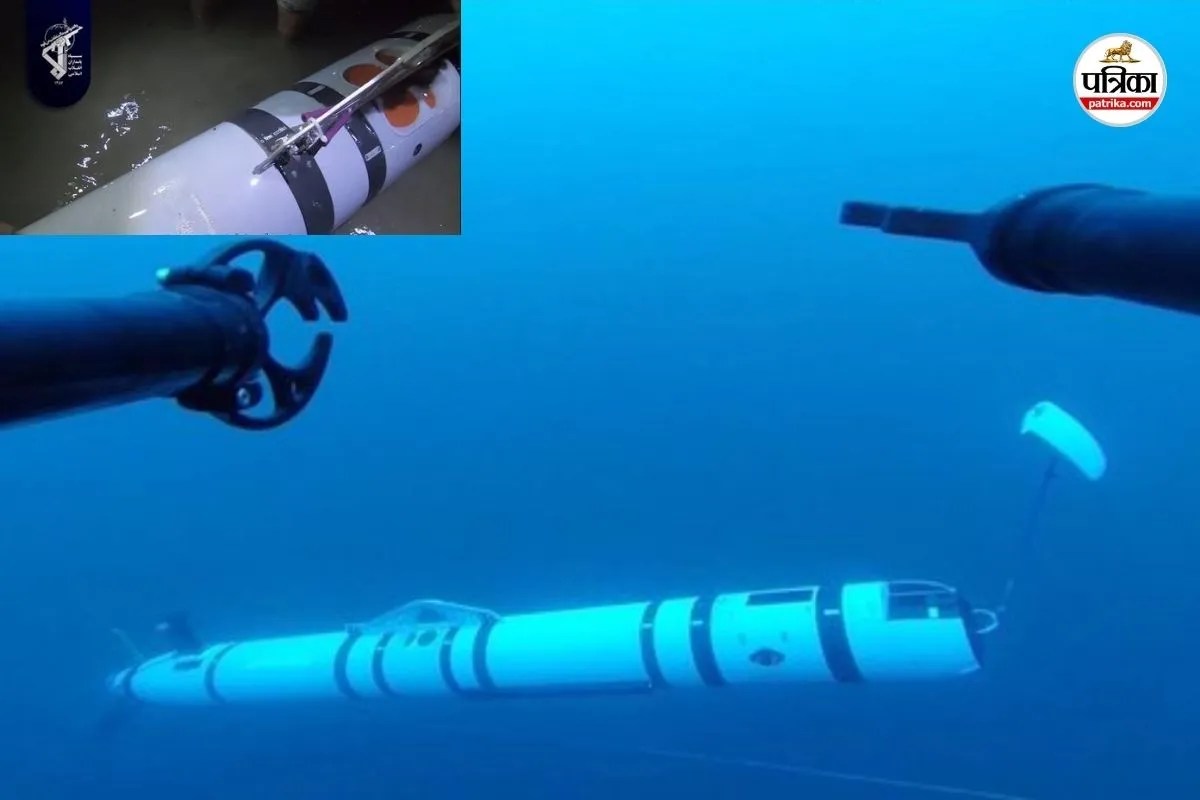
Under the leadership of Mojtaba Khamenei, the strategic posture of Tehran is expanding far beyond the familiar choke points of the Persian Gulf and the Strait of Hormuz. The focus is drifting outward, toward the vast, open expanse of the Arabian Sea. This is not merely a shift in naval deployment. It is a fundamental recalculation of reach, signaling an ambition to project power thousands of miles from domestic shores, into shipping lanes that feed the modern world.
Consider what happens next when an expanding regional actor steps out of its coastal box and into international maritime transit corridors. BBC News has provided coverage on this important topic in extensive detail.
To understand the weight of this moment, you have to look past the sanitized maps used by think tanks in Washington or London. Maps lie by making the ocean look empty. They turn blue space into a void. In reality, the Arabian Sea is crowded. It is a pulsating artery of commerce where supertankers the size of Manhattan drift past traditional wooden dhows, carrying crude oil destined for refineries from Mumbai to Rotterdam.
When military planners talk about projecting force into these waters, they are not speaking in abstract theories. They are talking about altering the cost of doing business for every nation that depends on unimpeded oceanic trade.
History shows us that naval ambition rarely stays quiet. In the late nineteenth century, the rise of German sea power began not with a sudden war, but with the quiet laying of keels and a deliberate rhetorical pivot toward global reach. The British Admiralty felt it in their bones before a single shot was fired, because maritime dominance is an ecosystem of perception. When a supreme leader signals an outward push, commercial insurers recalculate risk premiums within hours. Freight rates tick upward. Supply chains shudder.
This is the invisible tax of geopolitical friction.
Step onto the bridge of a modern cargo vessel navigating these waters, and the tension is tangible. Captains do not check weather reports first; they check regional broadcast warnings. They monitor VHF channels for sudden announcements of live-fire exercises or maritime exclusion zones. Every gray silhouette on the radar screen is an interrogation point. Is that frigate conducting routine anti-piracy patrols, or is it a harbinger of a new strategic posture?
The announcement from Tehran concerning the Arabian Sea forces a confrontation with an uncomfortable reality. For years, containment strategies relied on the assumption that regional powers were geographically bound, constrained by the narrow exits of their home waters. By pushing outward, the Iranian military is attempting to break that constraint.
Yet, ambition is not the same as invulnerability.
Operating in the open ocean requires a logistical tail so complex that it breaks ordinary economies. You cannot simply sail a warship a thousand miles from home without fuel tenders, repair facilities, intelligence-gathering networks, and air cover. The Arabian Sea is unforgiving. Monsoons tear across its surface for months at a time, turning the water into gray, churning chaos that strains hulls and tests human endurance.
This is where the narrative of inevitable dominance collides with the gritty friction of logistics. A navy operating in the Persian Gulf relies on the geographic shield of proximity. It can hide behind coastlines, deploy asymmetric swarm tactics, and retreat quickly to fortified harbors. The Arabian Sea offers no such shelter. It is a theater of wide horizons, where stealth is harder to maintain and vulnerability increases with every nautical mile steamed away from home baselines.
Why does this matter to someone sitting thousands of miles away, drinking morning coffee in a quiet kitchen?
Because the global economy is a single, trembling web. When the Arabian Sea becomes a contested zone, the disruption does not stay on the water. It ripples directly into fuel pumps, manufacturing plants, and grocery store shelves. Energy security is fragile, built on the delicate assumption that the oceans remain open commons. When that assumption fractures, the price is paid in currency depreciation, inflation, and public anxiety.
We have seen this script before. Every time a regional power seeks to rewrite the rules of maritime transit, a counter-reaction follows. Navies from outside the region adjust their patrol rotations. Alliances tighten. Intelligence assets are repositioned. The ocean becomes chess board played with steel and electronics.
The supreme leader's proclamation is therefore both a warning and an invitation. It invites a response from competing powers who view the freedom of navigation as non-negotiable. It dares international coalitions to test the limits of their own deterrence.
Night falls quickly over the northern Indian Ocean. The sun dips below the horizon, leaving behind a bruised purple sky that bleeds into the ink-black water. Out there, beyond the sight of land, steel hulls glide through the dark, guided by glowing screens and whispered orders. The strategic map of the world is being redrawn, not with ink on parchment, but with the silent wake of warships cutting through the deep.