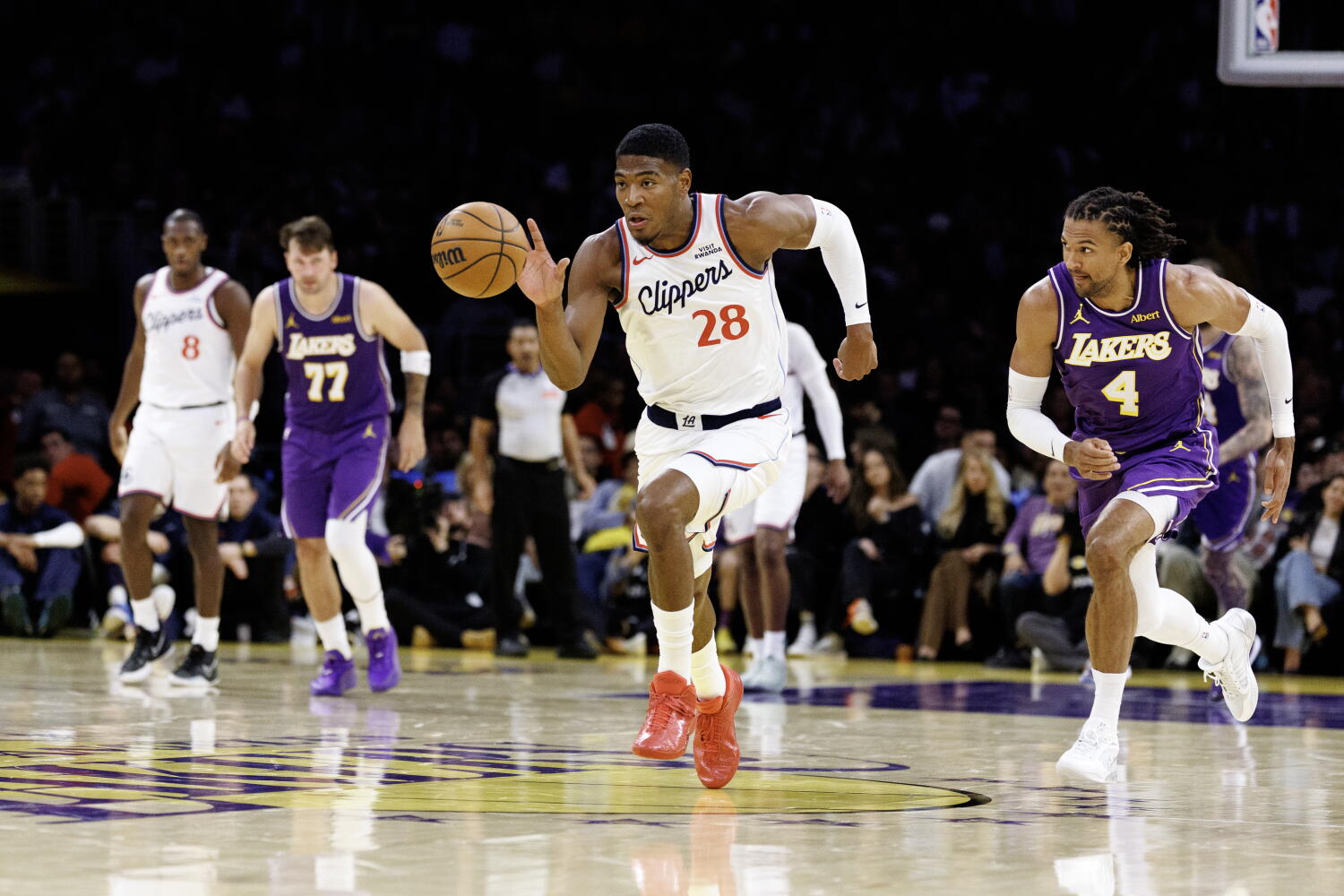
Seeing a former teammate across the hallway in the exact same building hits differently. When the Los Angeles Lakers squared off against the LA Clippers for the first time with Rui Hachimura wearing Clippers gear, the pregame vibe carried way more weight than a standard regular-season matchup.
"I miss him." That simple admission from the Lakers' side sums up why this reunion felt so strange for both the locker room and the fanbase. You don't just erase multiple seasons of playoff battles, daily locker room banter, and genuine off-court chemistry because a front office makes a business decision.
The Reality of the Battle of LA
The Lakers and Clippers share more than a city. For years, they shared an arena, and even with the Clippers moving into the Intuit Dome in Inglewood, the proximity keeps the rivalry personal. Players run into each other at the same restaurants in Manhattan Beach and train at the same summer facilities.
So when Hachimura walked onto the court against the Lakers for the first time as a Clipper, it wasn't just another game on the schedule. It was a reminder of how quickly NBA rosters turn over. One month you're sharing a flight home after a tough road trip, and the next, you're trying to box each other out on the weak side.
Honestly, fans often treat trades and free-agency moves like video game transactions. You swap a forward for a guard, adjust the salary cap sheet, and move on. Inside the locker room, it doesn't work like that.
What the Lakers Actually Lost When Rui Left
People love to debate box scores, true shooting percentages, and defensive ratings. Those numbers matter, sure, especially when you're trying to build a contender in a brutal Western Conference. Yet focusing strictly on analytics misses the entire point of why the Lakers felt Hachimura's absence so acutely during this first reunion.
Here is what made him stick in Los Angeles:
- Physicality at the forward spot. Hachimura brought a rare combination of size and frame that allowed the Lakers to switch across multiple positions without instantly giving up an easy bucket in the paint.
- Unshakeable temperament. Playing under the brightest lights in basketball breaks a lot of role players. The media scrutiny in Los Angeles is relentless, and every missed rotation gets dissected on national television the next morning. Hachimura never seemed rattled by the noise.
- Locker room glue. From his close bond with LeBron James and Anthony Davis to his easygoing presence with younger guys on the roster, he kept things light during the 82-game grind.
You can't easily replace a guy who accepts his role without complaining, shows up ready to work, and genuinely likes his teammates. When the Lakers' players talked about missing him ahead of their first matchup against the Clippers, they weren't just offering polite media trained quotes. They meant it.
How the Matchup Played Out on the Floor
Knowing a player's tendencies is a double-edged sword in the NBA. On one hand, the Lakers' coaching staff and veteran players spent countless hours practicing against Hachimura. They knew his favorite spots on the floor—that baseline mid-range jumper, his tendency to attack closeouts with a hard right-hand dribble, and how he likes to seal smaller defenders in the post.
On the other hand, Hachimura knew every single wrinkle of the Lakers' offensive sets. He knew the verbal cues, the hand signals, and where the weak-side help was supposed to come from before the ball even crossed half-court.
That familiarity turns the first reunion game into a weird chess match. You see guys smiling during free throws, talking trash after a whistle, and then immediately trying to hunt each other on a switch two seconds later. It's competitive, personal, and slightly awkward all at the same time.
Why Player Bonds Outlast Front Office Moves
If you follow the NBA closely, you know loyalty is mostly a one-way street when it comes to contracts and trades. Front offices have to manage the second apron, future draft capital, and aging curves. Sentimental value doesn't win championships, and general managers get fired if they hold onto players purely because the locker room likes them.
Still, chemistry isn't fake. Look at how teams struggle early in the season after making blockbuster changes. Talent alone doesn't guarantee cohesion. When a player like Hachimura leaves a franchise where he experienced deep postseason runs—including a trip to the Western Conference Finals—that shared trauma and success creates a permanent bond.
Players remember who went to war with them in May and June. That's why pregame hugs at midcourt look so genuine, and why postgame quotes like "I miss him" resonate so strongly with people who actually understand team sports.
What Both Teams Take Away From the First Reunion
For the Clippers, adding a player with Hachimura's experience gives them another versatile weapon in a crowded Western Conference race. Having someone who already knows the ins and outs of the Lakers' playbook is just an added bonus for a team looking to establish dominance in Southern California.
For the Lakers, the game served as a clear benchmark. You move forward with the new rotation, trust the players currently in the building, and accept that the league keeps spinning. You can miss a former teammate and still want to beat him by twenty points once the ball goes up.
Keep an eye on the remaining Lakers-Clippers matchups this season. Once the novelty of the first reunion wears off, the familiarity between Hachimura and his former squad will make every possession down the stretch that much tighter.