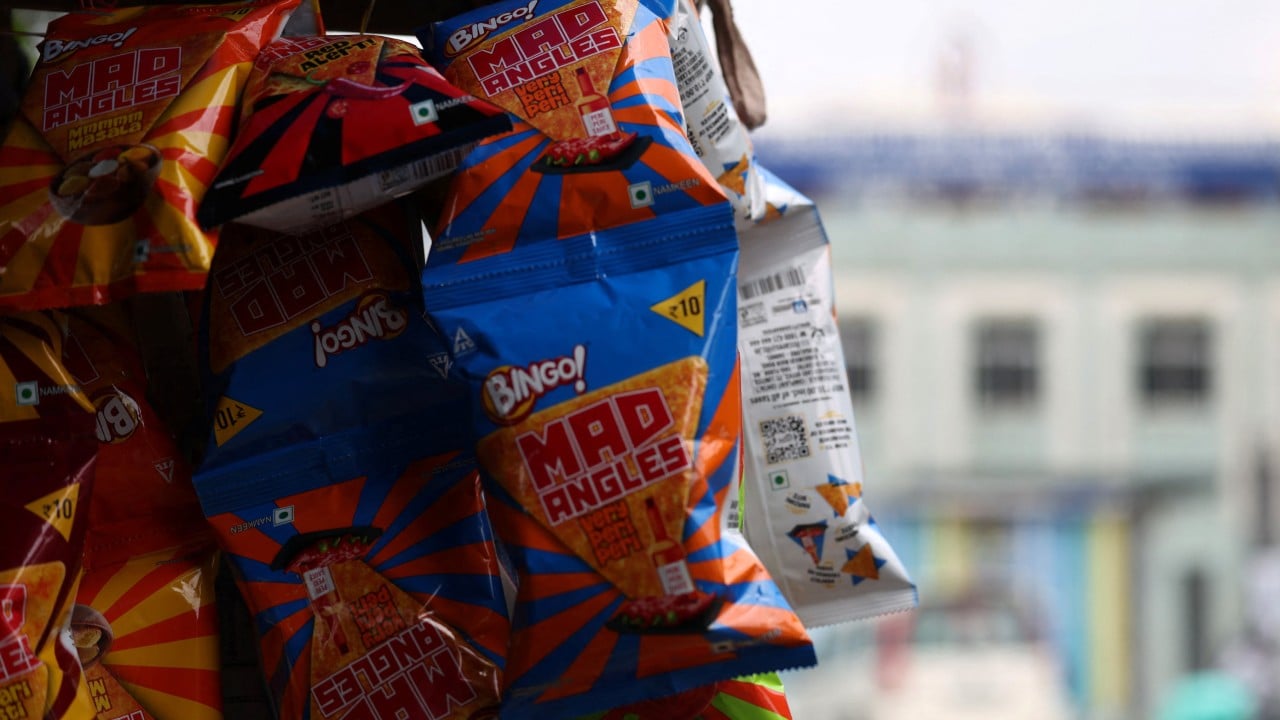
Everyone loves a simple villain. For the past decade, public health crusaders have pinned the entire global obesity epidemic on a greasy, convenient scapegoat: the convenience store bag of chips sitting fifty paces outside the school gates.
The lazy consensus goes something like this. Kids are heavier than ever. Schools are surrounded by corner shops selling cheap, ultra-processed calories. Therefore, if we draw a legal imaginary perimeter around every campus and ban the sale of chips, soda, and candy within that zone, childhood weight metrics will magically correct themselves. It sounds clean. It feels proactive. It passes policy committee reviews with polite applause.
It is also completely detached from reality.
I have spent years watching policy makers chase symptoms while ignoring structural architecture. Banning junk food within a hundred-meter radius of a school building is the modern equivalent of putting a band-aid on a severed artery and declaring the patient cured. It treats youth as passive, immobile objects trapped in a vacuum, completely ignoring how modern urban environments, family economies, and supply chains actually function.
Let us dismantle the myth.
The Geography Illusion
The core flaw of the school perimeter ban is a fundamental misunderstanding of adolescent mobility and digital commerce.
Proponents imagine a captive student wandering out of class during a fifteen-minute recess, stumbling into a bodega, and buying a double-sized bag of potato chips solely because it sits within sight of the flagpole. The physical proximity is blamed for the purchase.
Reality operates differently. Modern kids do not live in a radius bound by walking distance to school gates. They have smartphones, delivery apps, pocket money, and grandparents who express affection through sugar. If a twelve-year-old wants a fizzy drink, closing the corner shop down the street from the school does not eliminate the craving. It simply reroutes the transaction.
They buy it before school at a metro station three miles away. They order it on quick-commerce apps that drop groceries at their apartment doorstep within ten minutes of the final bell. They stockpile snacks in their backpacks from the massive discount hypermarket their parents visit on Sunday.
Drawing a circle around a school and declaring it a junk-free zone assumes that the hundred meters surrounding an educational institution represent the primary food ecosystem of a child's life. It represents a tiny fraction. Children spend more than half their waking hours outside school grounds—at home, in transit, at tutoring centers, glued to screens in bedrooms.
When you regulate only the school perimeter, you are not changing the food environment. You are merely playing an expensive game of geographic whack-a-mole.
The Economics of Cheap Calories
To understand why children consume ultra-processed foods, you have to look at household economics, not moral failings or proximity.
Nutrient-dense whole foods require refrigeration, preparation time, and frequent grocery runs. They spoil quickly. They cost more per calorie than shelf-stable, hyper-palatable formulations engineered in food laboratories to hijack human neurology.
In rapidly urbanizing economies across the globe, families are squeezed by time poverty. Dual-income households working long hours do not always have the bandwidth to prep fresh vegetable tiffins from scratch every morning. Ultra-processed snacks act as cheap, reliable, shelf-stable babysitters. They provide immediate caloric energy, require zero prep, and keep children quiet.
When public health advocates push for school boundary bans, they target the retail end of the chain while ignoring the manufacturing and economic engine driving the supply. It is politically safe to scold a local corner shop owner for selling candy to a teenager. It is politically perilous to tax multinational food conglomerates or subsidize the agricultural supply chains of fresh produce.
So governments take the easy route. They pass ordinances that penalize small neighborhood vendors while leaving the systemic drivers of cheap, empty calories completely untouched.
The Forbidden Fruit Effect
There is another psychological element that policy wonks consistently ignore: prohibition makes forbidden items taste better.
Human psychology, particularly teenage psychology, is hardwired to rebel against arbitrary paternalistic rules. When you outlaw something within a specific zone, you instantly elevate its social currency. A bag of chips bought on the black market behind the bleachers carries an edge of rebellion and status that a vegetable stick never will.
Restrictive school policies often trigger a compensation effect. When children are heavily restricted from accessing certain foods during school hours, their consumption frequently spikes the moment they step outside the restricted zone. They overcompensate during unsupervised evening hours.
We have data on this across various behavioral interventions. Total prohibition without education or shifting baseline preferences breeds ingenuity in circumvention, not behavioral change.
What Actually Moves the Needle
If school perimeter bans are theater, what actually works? The honest answer is uncomfortable because it requires heavy lifting, long-term capital investment, and political courage.
First, fix the home pantry, not the school sidewalk. Children do not buy their own groceries; adults do. Public health messaging needs to pivot away from shaming kids and toward educating purchasing decision-makers on the mechanics of food labeling. Most parents genuinely do not realize that products marketed as healthy breakfast cereals or fruit juices contain sugar profiles comparable to desserts.
Second, restructure school meal programs from the ground up. Instead of policing what kids buy outside the gates, ensure that what is provided inside the institution is nutritionally dense, culturally appealing, and genuinely delicious. If school lunches taste like damp cardboard, students will seek out hyper-palatable alternatives the moment they get an inch of freedom. Food quality in public institutions must compete on flavor, not just compliance.
Third, look at urban planning and transport. The rise of sedentary lifestyles among youth is not just about what they eat; it is about how they move. When cities are built exclusively for cars, children lose unstructured physical activity. Designing neighborhoods where walking and cycling to school are safe, normal, and encouraged burns more energy than any dietary restriction ever will.
The Cost of False Victories
The danger of embracing lazy solutions like school zone food bans is that they offer a false sense of accomplishment.
Politicians point to a passed ordinance and claim victory. Bureaucrats check a box on an international health scorecard. Meanwhile, childhood obesity rates continue their upward trajectory, driven by systemic shifts in lifestyle, marketing algorithms, and global supply chains.
We do not need more symbolic perimeters. We need systemic honesty. Stop blaming the corner shop next to the school. Start fixing the economic and physical architecture of the modern world.