Peace talks don't mean much when missiles start flying over borders again. For a brief moment, it looked like the war in Yemen was cooling down into a messy, permanent stalemate. Direct negotiations between Riyadh and the Houthi movement had raised hopes. Then reality hit.
Fresh cross-border strikes and deadly air raids shattered the fragile quiet, proving once and for all that West Asia's conflicts are deeply interconnected. When regional tensions spike, Yemen gets dragged back into the fire immediately.
The Anatomy of a Shattered Truce
You can't talk about what's happening right now without looking at how quickly a fragile peace unravels. Following intense military flare-ups, reports surfaced of dozens killed in renewed airstrikes, followed swiftly by retaliatory drone and missile launches targeting strategic locations inside Saudi Arabia.
This isn't just a localized border skirmish anymore. It's part of a wider regional friction pattern. The Houthis have repeatedly shown they possess the capability to strike deep into Saudi territory, putting economic hubs and energy infrastructure back in the crosshairs. Riyadh finds itself trapped in a difficult security dilemma, trying to protect its economic transformation goals while managing hostile neighbors backed by external actors.
The Human Cost Hidden Behind the Headlines
While politicians trade threats and state media spins narratives, everyday people pay the highest price. As fighting intensifies across multiple provinces like Al-Jawf, Marib, and Lahj, ordinary Yemenis face an impossible choice. Stay and risk getting caught in the crossfire, or take to the sea.
Fleeing by boat has once again become a desperate option for families trying to escape the violence. Makeshift vessels navigating dangerous waters symbolize the sheer desperation of a population that has endured over a decade of continuous hardship. International aid agencies are stretched thin, and funding shortages mean fewer safety nets for those displaced by the latest round of bombs.
Why This Escalation Matters Beyond the Border
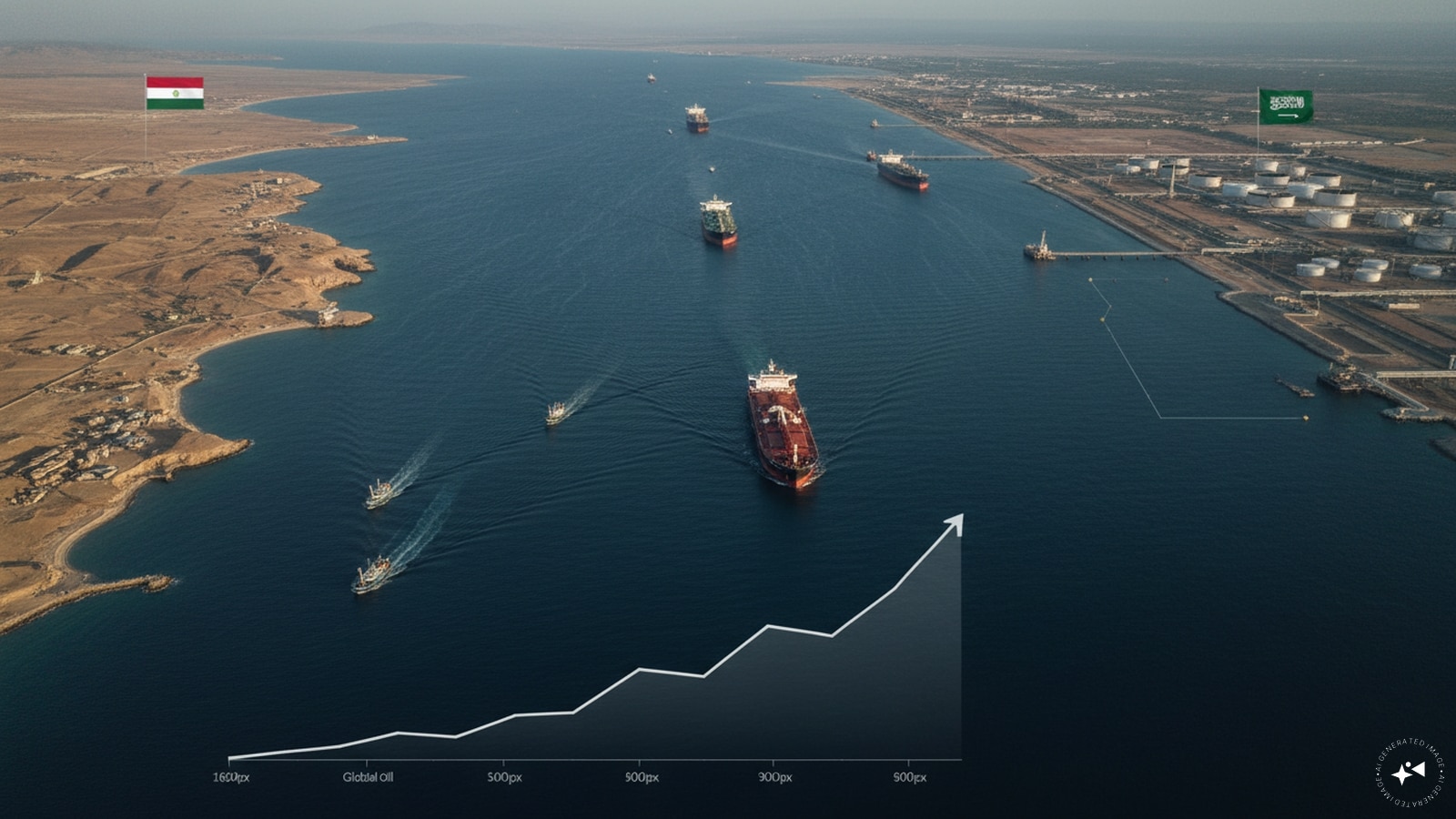
Most people outside the region make the mistake of viewing Yemen's civil war as an isolated humanitarian tragedy. It's not. The security of the Red Sea shipping lanes, global oil supplies, and regional stability all hang in the balance.
When infrastructure gets hit, global markets react. When maritime routes face constant threats from drone attacks, supply chains shudder. Ignoring what's happening on the ground between the Saudi military and Houthi forces is a luxury global powers no longer have.
Resolving this crisis requires more than temporary ceasefires that collapse at the first sign of broader regional stress. Until the root political drivers and external backing of the conflict are addressed honestly, expect more cycles of violence, more broken promises, and more civilians forced onto unsafe boats looking for a way out.


