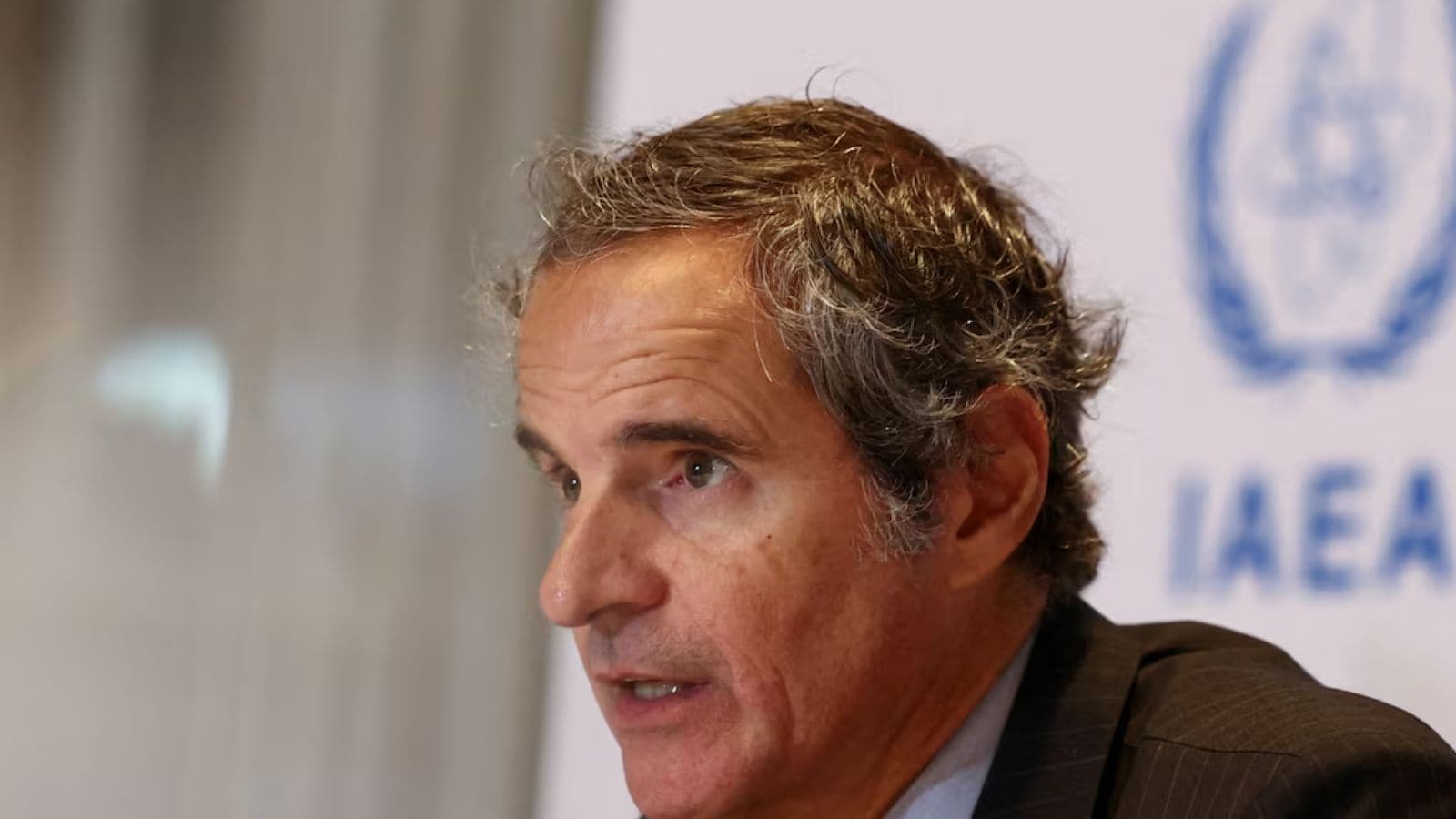
Nuclear oversight in the Middle East is shifting. When International Atomic Energy Agency chief Rafael Grossi recently stepped forward to discuss Riyadh's evolving atomic ambitions, he pointed to a major development. Saudi Arabia is gearing up to grant the United Nations nuclear watchdog significantly more intrusive verification powers.
Most headlines miss the subtle mechanics of how international nuclear deals actually work. You hear about bilateral frameworks and civilian energy pacts, but the real story is about what happens behind closed doors when monitoring sensitive technology. If you think Riyadh is just building standard power plants and keeping doors wide open, look closer at the actual terms being hashed out.
The Reality Behind the U.S. and Saudi Atomic Framework
Back in July, Washington and Riyadh struck a civil nuclear power cooperation agreement. That framework is designed to let Saudi Arabia enrich uranium and build modern nuclear reactors using American technology. Critics, including watchdog groups like the Arms Control Association, immediately raised red flags. Why? Because the planned arrangement does not explicitly mandate that Riyadh sign the IAEA's Additional Protocol.
The Additional Protocol is basically the gold standard for global non-proliferation oversight. It gives inspectors the right to carry out sudden, unannounced snap inspections at undeclared locations. Without it, skeptics worry a country could hide sensitive atomic work. Iran famously implemented that protocol for years before things unraveled.
Grossi himself admits that signing the Additional Protocol would be the ideal setup. But international diplomacy rarely works on ideal terms. Instead, Riyadh is preparing to go well beyond its core obligations under a standard Comprehensive Safeguards Agreement.
What Extra Monitoring Actually Looks Like
Grossi noted during a press briefing that consultations have yielded specific provisions built right into the bilateral agreement. These provisions grant the agency targeted verification and monitoring authorisations.
They focus tightly on high-risk sectors:
- Uranium enrichment processes
- Uranium conversion, which is the necessary step right before enrichment
- Spent fuel reprocessing, which can separate weapons-grade plutonium
These are sensitive activities. Everyone knows the risks involved. To manage those risks, the IAEA will secure monitoring capabilities that mirror the strict oversight found inside an Additional Protocol, specifically for those sensitive zones.
Why This Middle Ground Matters for Global Markets
You might wonder why Saudi Arabia doesn't just sign the protocol outright and avoid the public scrutiny. Nuclear sovereignty is a fierce game of national pride and regional posturing. Riyadh wants the full capability to manage its own nuclear fuel cycle without feeling boxed in by rigid international mandates that other regional actors might flout.
At the same time, the kingdom needs international legitimacy. Partnering with U.S. tech and opening the door to IAEA inspectors ensures the project stays credible. Once the final text is ironed out, the agreement heads straight to the IAEA's 35-nation Board of Governors for review. Keep a close eye on how that board votes, because it will set the template for how emerging nuclear states handle oversight for the next decade.