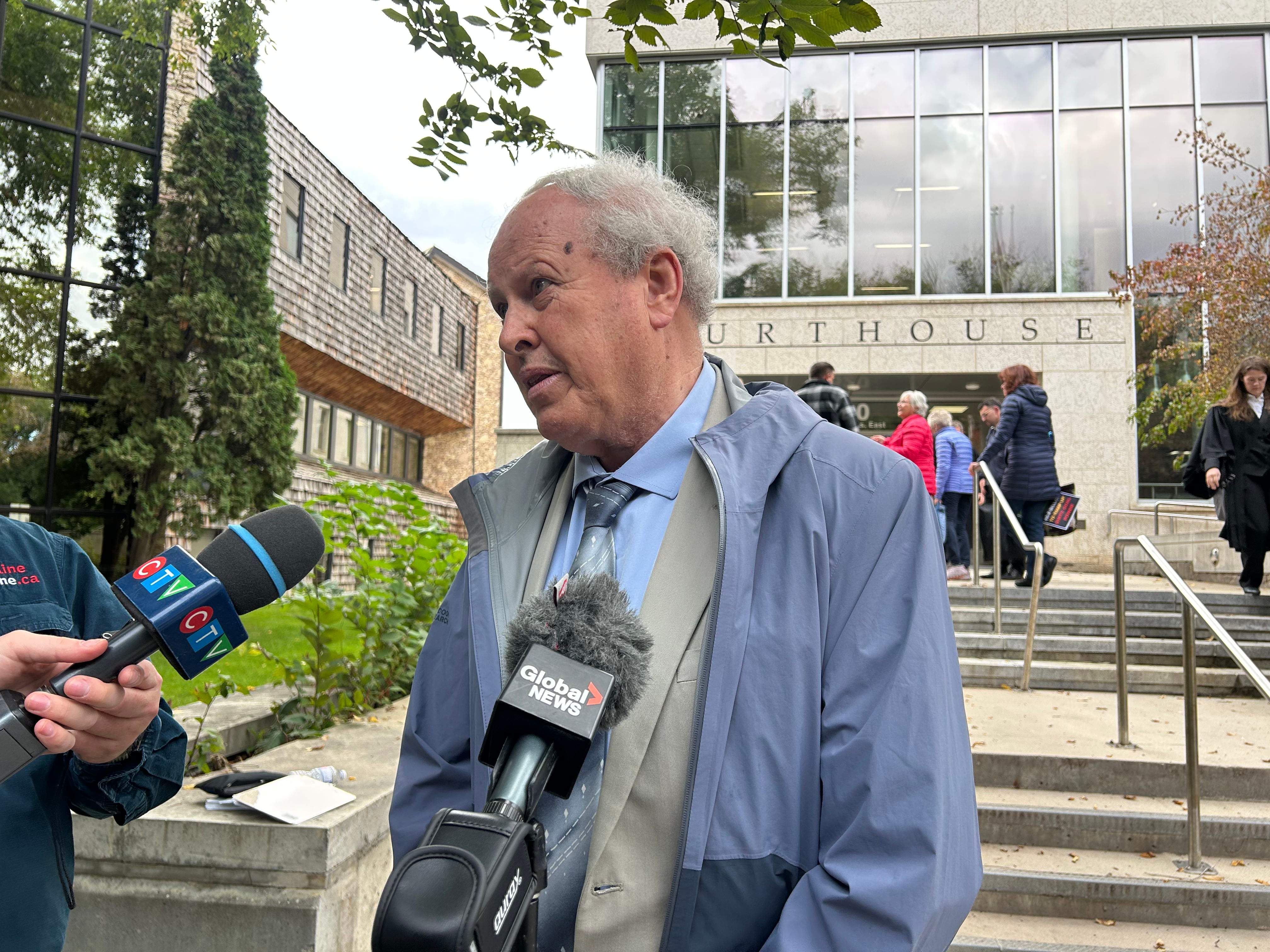
When the Saskatchewan Court of Appeal shut down a high-profile legal challenge aimed at stopping the provincial government from extending the operational lifespan of its coal-fired power plants, it did more than dismiss a single lawsuit. It drew a hard jurisdictional boundary around what courts can and cannot dictate regarding energy policy.
The core dispute centers on a pivot by the provincial government and Crown-owned SaskPower to keep stations like Boundary Dam and Poplar River running past previously scheduled phase-out dates, pushing baseline thermal generation further into the mid-century. For environmental coalitions including the Saskatchewan Environmental Society and Citizens for Public Justice, this reversal was an illegal retreat from national decarbonization targets and an existential threat. For the province, it was defended as an exercise of sovereign public policy authority over local resource management and grid reliability. Meanwhile, you can read similar events here: The Brutal Truth About Nazi-Looted Art Lawsuits and the California Statute Rewriting History.
The courtroom battles in Regina and Saskatoon laid bare a deeper institutional friction. Environmental advocates argued that a policy choice of this magnitude flouted federal environmental statutes and ignored climate reality. Yet the bench repeatedly zeroed in on a fundamental constitutional concept: justiciability. The judiciary must decide whether an executive policy announcement constitutes an administrative decision subject to judicial review, or a broad political choice left entirely to the ballot box. By ruling that the extension falls into the latter category, the courts effectively insulated the province's energy strategy from judicial interference.
This legal roadblock leaves climate advocacy groups in a strategic vacuum. If the courts refuse to police high-level executive shifts on fossil fuel phase-outs, the battlefield defaults back to regulatory negotiations and federal-provincial equivalency agreements. Ottawa faces its own pressure points as it weighs whether to renew exemptions for provincial grids that fail to align with national clean electricity timelines. To explore the bigger picture, we recommend the detailed article by TIME.
Meanwhile, the economic reality on the ground in southern Saskatchewan presents a complicated picture for communities whose livelihoods are anchored to coal mining and thermal generation. While capital costs to refurbish aging infrastructure climb into the billions—sparking intense public debate over stranded assets and taxpayer exposure—local municipal leaders emphasize the immediate need for financial stability and orderly transitions.
The rejection by the Court of Appeal does not settle the underlying tension between provincial autonomy and national climate policy. It merely clarifies that the courtroom is an inefficient venue for forcing a government to change its mind on energy baseloads. As federal regulators draft upcoming compliance frameworks, the true test of climate accountability will shift away from the judiciary and back toward political leverage and public pressure at the ballot box.