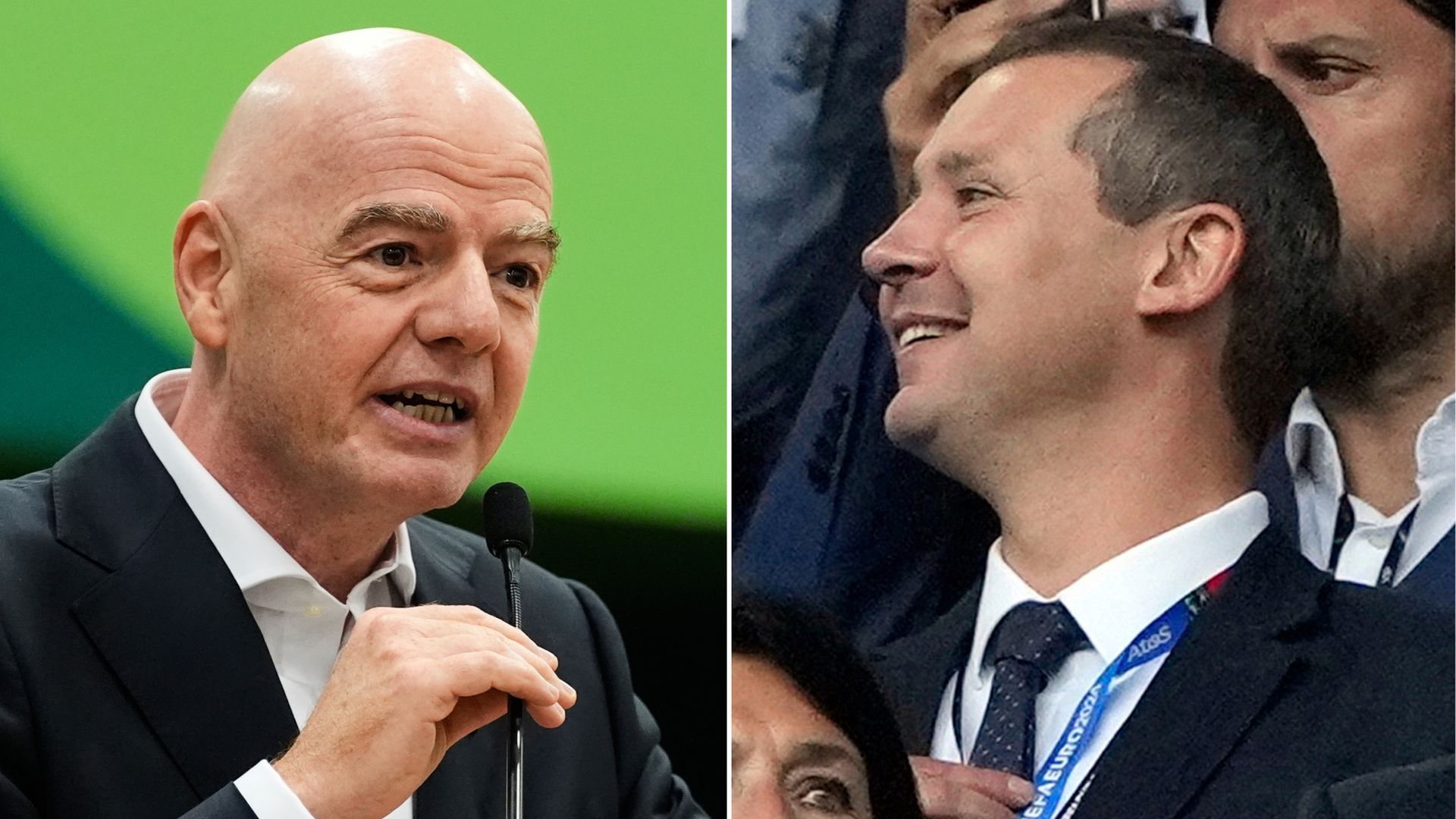
When a top sports executive looks at their boss, calls out a controversial private investment scheme, and says "if that means I lose my job, then so be it," they usually mean it. Kevin Lamour found out just how true those words were. The chief operating officer of world football's governing body was shown the door after publicly pushing back against Gianni Infantino.
If you think this is just another routine corporate restructuring, you are missing the entire plot. This high-stakes fallout exposes deep fractures at the very top of international football. It raises hard questions about governance, transparency, and whether modern sports bodies answer to fans or private equity.
The Clash Over the World Cup Sell-Off
The core of this explosive dispute traces back to a secretive proposal known as the FIFA Forward Enterprise scheme. Infantino championed a plan to sell shares in a newly created entity designed to manage commercial and operational arms of major tournaments, including the men's and women's World Cups.
Private investors circling global sports assets love guaranteed returns. But internal resistance was fierce. Lamour didn't mince words when the details leaked. He stated openly that the administration had been deceived and labeled the multi-billion dollar private investment initiative as "the project of one person".
When top administrators break ranks to speak to major news outlets like the Associated Press, institutional stability cracks open. Lamour argued that hundreds of dedicated employees wake up to serve the game, not private capital interests. His public stand forced the hand of leadership, resulting in the rapid shelving of the commercial proposal.
Writing the Exit Message
You do not challenge a powerful executive and expect a corner office long-term. Lamour knew the math. On his way out of the organization, his message to colleagues centered on a simple premise: leadership is about doing what is right even when the career cost is absolute.
In an internal climate where employees often fear retaliation, his parting words resonated deeply. He pointed out that sports workers deserve better than intimidation and contempt. He chose professional exile over quiet compliance.
His departure wasn't isolated. Senior adviser Carlos Cordeiro resigned on the exact same day in late July, signaling an internal revolt against Infantino's centralized control. When trusted insiders walk away or get pushed out simultaneously, the governance model faces a crisis of credibility.
The Regional Backlash From UEFA and Beyond
You cannot view this firing in a vacuum. Continental bodies immediately spotted the danger signals. UEFA vice-president Laura McAllister didn't hold back, calling Lamour an exemplary sports leader and describing his dismissal as a deeply troubling message to anyone seeking actual reform.
Behind closed doors, the pressure has mounted. Major confederations including UEFA, Concacaf, and the Asian Football Confederation previously fired off warning letters accusing Infantino of deception regarding the private equity strategy. While a management board meeting in Morocco offered Infantino temporary backing, the institutional trust is fractured.
When executive committees start retracting support and demanding structural integrity, the fallout extends far beyond Zurich headquarters.
What This Means for Global Football Governance
Transparency in international sports always sits on shaky ground. When executives who champion sound governance get sidelined, the message to remaining staff is crystal clear: fall in line or pack your bags.
Yet, the resistance proved that executive mandates are no longer bulletproof. Stakeholders, players, and national associations are watching closely. The push to monetize every square inch of the World Cup touches the soul of the sport. If private equity gains a permanent foothold in tournament operations, the cultural shift away from public sport toward pure corporate extraction accelerates.
Kevin Lamour packed his desk and walked away, but the questions he forced into the open refuse to leave. The governing body can issue brief statements wishing him well, but sweeping dissent under the rug rarely works when the cracks are this wide.