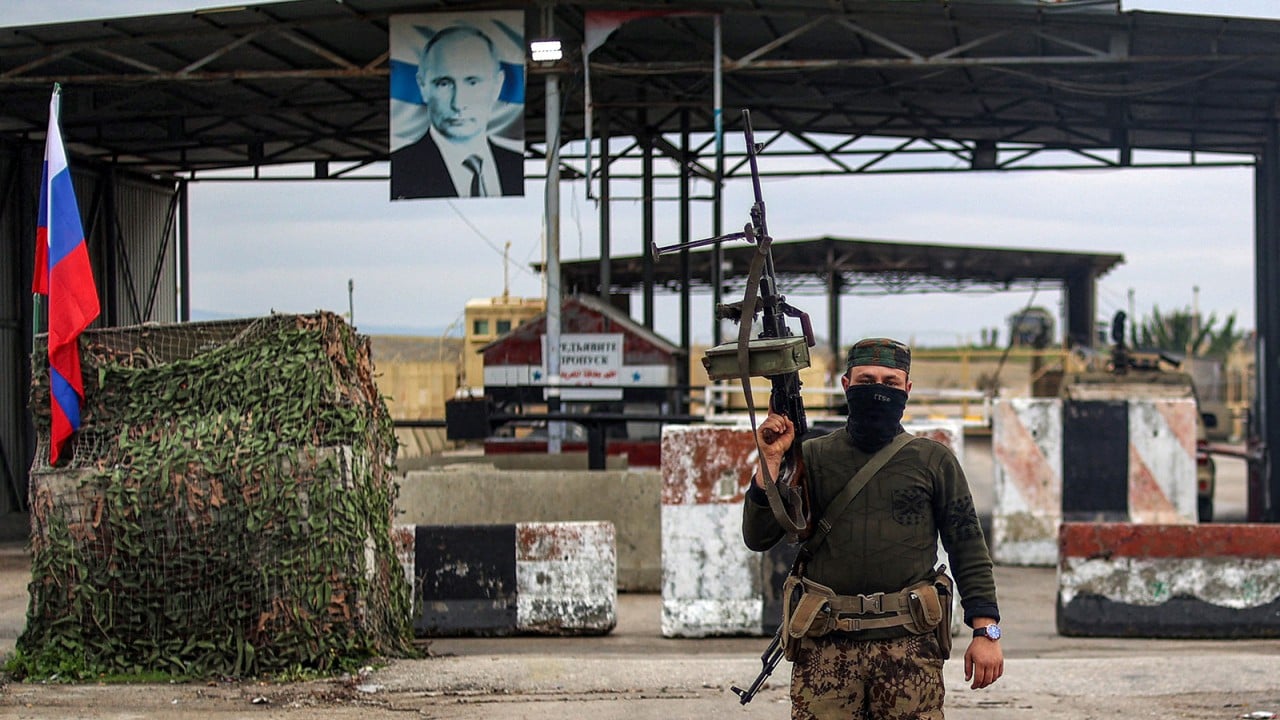
Moscow isn't running the Middle East anymore. But writing Russia off completely is a massive mistake. While Western headlines love to frame Russian foreign policy through the lens of decline, the reality on the ground is far more nuanced. Russia's role in Middle East politics endures, even if it has structurally shifted into a secondary power position.
If you look past the superficial talking points, you'll see a Kremlin that trades heavy military dominance for flexible, opportunistic diplomacy. Russia doesn't need to match America's spending or China's trade volume to punch above its weight class. It relies on strategic positioning, veto power, and unshakeable pragmatic ties with everyone from Tehran to Riyadh.
The Reality of Being a Secondary Power
What does secondary status actually mean in modern geopolitics? It means Moscow no longer dictates the terms of regional security architectures alone. Years of heavy military entanglement in Ukraine have forced a resource re-allocation. Russia cannot flood the Levant with endless boots on the ground or compete dollar-for-dollar with Beijing's infrastructure investments.
Yet, secondary powers can cause immense disruption and act as vital balancing variables. Regional actors like Turkey, the United Arab Emirates, and Iran don't view Russia as a regional master, but they treat Moscow as an indispensable independent actor.
Take the ongoing friction across the region, including escalating pressures tied to the US-Iran conflicts and maritime choke points like the Strait of Hormuz. Russia maintains vital diplomatic insulation. Moscow uses its permanent seat and veto power in the UN Security Council to block resolutions it views as legally ambiguous or dangerously tilted against its interests, such as contentious moves regarding Hormuz management.
Military Footholds and Practical Leverage
You can't understand modern Russian strategy without looking at hard infrastructure. Two critical military installations remain anchoring pillars for Moscow in Syria: the naval facility in Tartus and the Khmeimim air base.
These aren't just relics of past interventions. They serve as permanent springboards for Russian naval power projection into the Mediterranean and logistics routes extending into North Africa. Even as local Syrian dynamics shift and factions change checkpoints, Russia has proven remarkably adept at cutting deals with new power brokers rather than packing up and leaving.
Beyond official military bases, Moscow's playbook relies on private security architecture—previously channeled through the Wagner apparatus and absorbed under state supervision into structures like the Afrika Korps. This gives the Kremlin deniable, low-cost leverage across unstable frontiers from Libya to Sudan.
Grain, Gold, and Geopolitics
Trade tells a fascinating story of pragmatic survival. Russia's economic footprint in the Middle East isn't built on high-tech consumer goods. It's built on vital commodities.
Moscow remains one of the largest suppliers of wheat and agricultural grain to major Middle Eastern populations. Food security is national security. When bread supplies depend heavily on Russian grain exports, regional governments listen closely to what Moscow has to say.
At the same time, bilateral trade volumes with key regional heavyweights continue to post staggering figures. Trade turnover with Turkey routinely hovers near tens of billions of dollars, alongside robust economic channels with the UAE and Egypt. Russia provides a reliable alternative for states determined to diversify their foreign policy away from total reliance on Washington.
Navigating the Multi-Alignment Playbook
Middle Eastern capitals are rewriting their own playbooks. Saudi Arabia, Iran, and Turkey are pursuing independent, multi-aligned foreign policies. They talk to Washington, coordinate investments with Beijing, and maintain open channels with Moscow.
Russia fits neatly into this multi-aligned world. Because Moscow has no ideological export to push—unlike the Soviet era—it deals strictly with whoever holds power. It doesn't lecture local leaders about governance or human rights. That transactional neutrality makes Russia a comfortable, predictable partner for authoritarian regimes and pragmatic states alike.
When you strip away the propaganda, Russia's footprint in the Middle East is durable precisely because it has learned how to be light on its feet. It absorbs setbacks, leverages energy and food markets, and exploits every opening left by a distracted West. Stop expecting a superpower retreat. Expect a calculated, persistent presence that will shape regional crises for years to come.