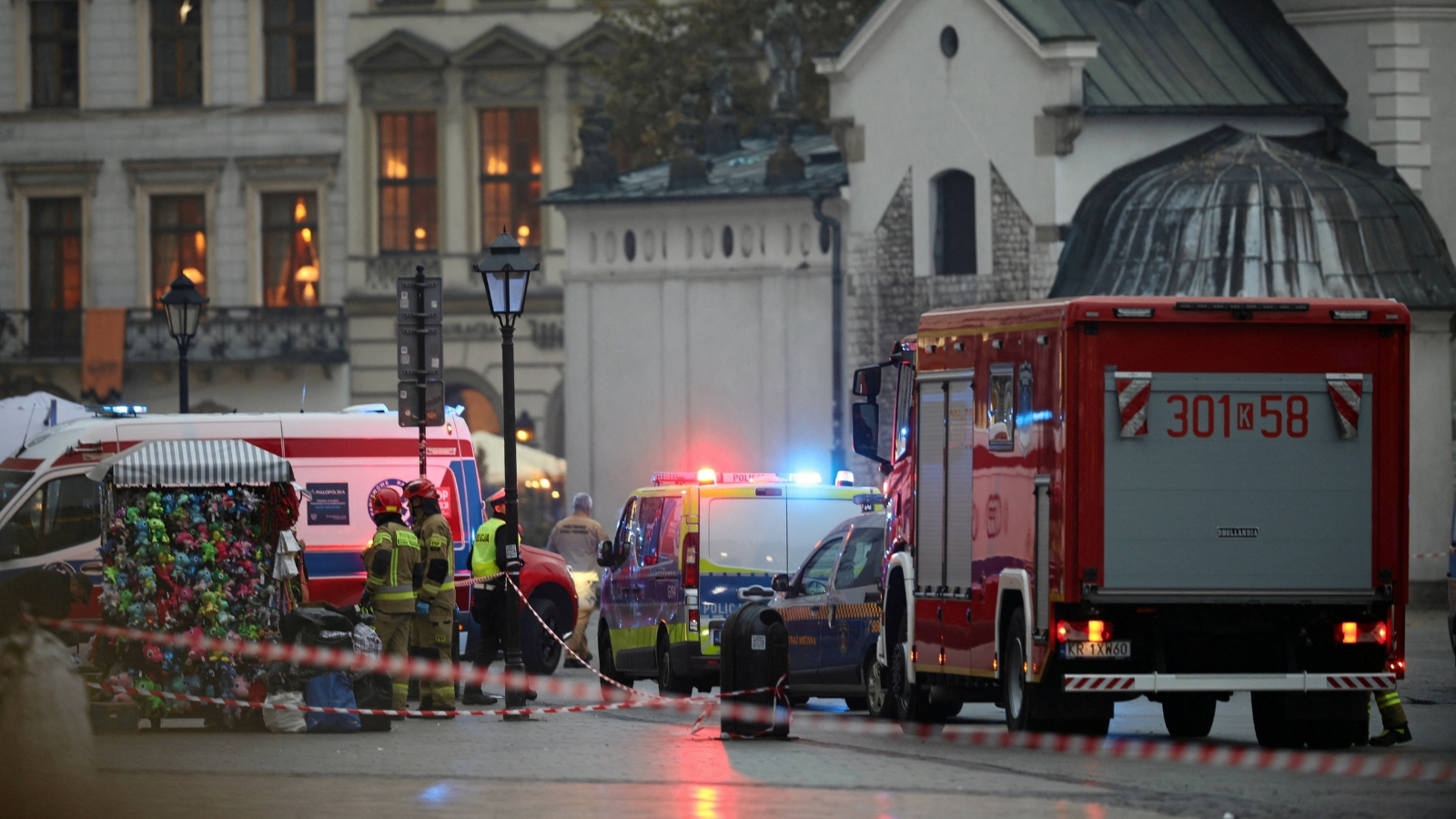
Nine people wounded across Ukraine just hours before diplomats sit down with American and Russian officials. If that timing feels like a coincidence to you, you haven't been paying close enough attention to how Moscow negotiates.
Every single time diplomatic talks hit the calendar, air raid sirens start screaming across Ukrainian cities. The latest wave of Russian drone and missile attacks wounded nine civilians and damaged infrastructure right as Kyiv finalized preparations for trilateral discussions involving Russia and the United States. Most mainstream news reports treat these strikes as isolated overnight updates. They're not. They're a deliberate negotiating tactic designed to soften Kyiv's position before a single word gets spoken at the table.
I've followed Eastern European security and wartime diplomacy closely for years, and the pattern never really changes. Moscow doesn't view military escalation and diplomatic talks as separate tracks. To the Kremlin, a barrage of Shahed drones and ballistic missiles isn't an interruption to peace talks. It's the opening statement.
The Real Reason Behind Pre-Talk Strikes
People often ask why Russia would launch expensive missiles right when Washington and Kyiv are preparing to discuss a potential settlement. Doesn't that ruin the mood for compromise?
That question assumes Russia approaches negotiations the way Western diplomats do. In Washington or Brussels, you lower the temperature before a summit to build goodwill. In Moscow, you raise the temperature to prove you still hold the upper hand.
When Russian forces launch combined drone and missile strikes right before talks with the U.S. and Ukraine, they're sending three distinct messages at once.
First, they want to remind Ukrainian negotiators that civilian life and critical infrastructure remain vulnerable every single night. Wounding nine people might sound like a smaller figure compared to the massive winter grid attacks earlier in the war, yet the psychological pressure stays constant. Exhaustion is a weapon.
Second, Moscow is signaling to Washington that sanctions and weapons shipments haven't stopped its long-range strike capability. Russian planners want American envoys walking into the room thinking that prolonging the conflict only leads to more destruction, pushing the U.S. team to pressure Kyiv into concessions.
Third, the Kremlin has to manage its own domestic hardliners. Russian state media and military bloggers get nervous whenever the word "talks" hits the headlines. Launching strikes right before a diplomatic meeting lets Moscow project strength at home while quietly exploring terms behind closed doors.
How Combined Drone and Missile Tactics Actually Work
To understand why these overnight barrages still manage to wound civilians despite Ukraine's layered air defenses, you have to look at how Russian strike packages are built.
It's rarely just one type of weapon anymore. Russian commanders pair slow, low-flying one-way attack drones with high-speed cruise or ballistic missiles. The drones go in first—often in dispersed waves—to force Ukrainian mobile fire groups and radar operators to reveal their positions and burn through interceptor missiles.
Once air defense crews are locked onto those incoming drones, faster missiles follow along different flight paths. Even when Ukrainian air defenses intercept the vast majority of incoming threats, falling debris over residential districts still shatters windows, sparks fires, and wounds people sleeping in their apartments. That's the grim math of modern air warfare. You can achieve a 90% interception rate and still wake up to nine wounded civilians and damaged homes.
Ukraine's Air Force regularly publishes morning interception tallies, and the numbers consistently show how heavily Russia leans on unmanned aerial vehicles to saturate the sky. Drones are cheap to assemble at scale compared to Iskander or Kalibr missiles. Even if a drone gets shot down over a city, it still forces millions of people into bomb shelters at 3 a.m., disrupting sleep, work, and economic output the next morning.
What Most Coverage Misses About U.S.-Ukraine-Russia Talks
Turn on cable news and you'll hear endless speculation about whether these talks will produce an immediate ceasefire. Honestly, that framing sets readers up for disappointment.
Diplomatic engagement involving Ukraine, Russia, and the United States rarely moves in a straight line toward a grand peace treaty. Early-stage and mid-level talks usually focus on much narrower, grittier issues:
- De-escalation frameworks around specific sectors like energy infrastructure or Black Sea shipping lanes
- Prisoner of war exchanges and the return of detained civilians
- Verification mechanisms to monitor whether either side actually respects localized pauses in fighting
- Security guarantees that prevent any temporary freeze from turning into a two-year Russian rearmament window
The gap between what Kyiv needs and what Moscow demands remains massive. Ukraine insists on real security backing from Western partners so Russia can't simply regroup and invade again later. Russia continues to push for territorial recognition and strict limits on Ukraine's military alliances.
Because those core positions are so far apart, neither side expects a sudden handshake to end the war overnight. Instead, both delegations are testing red lines, measuring Washington's appetite for continued backing, and trying to avoid looking like the obstacle to peace in front of the American public.
Why Civilian Casualties Shift Leverage at the Table
There's a cold calculation behind every strike that wounds civilians right before negotiations.
If Ukrainian negotiators walk into talks after a week of quiet skies, they bargain from a position of relative stability. Their power grid is holding, businesses are running, and public morale is steady.
When attacks wound nine people on the eve of discussions, Kyiv's delegation arrives with fresh casualty reports in their folders. On one hand, that gives Ukrainian diplomats moral clarity and concrete proof that Russia isn't acting in good faith. They can point directly to the overnight strikes when asking American officials for faster air defense deliveries and tighter enforcement of export controls on drone components.
On the other hand, relentless strikes test the endurance of Ukraine's allies. Some voices in Western politics look at ongoing casualties and argue for a quick freeze at almost any cost just to stop the bleeding. Moscow counts on that reaction. The Kremlin bets that Western impatience will eventually outweigh Western resolve.
The Air Defense Bottleneck Nobody Likes Talking About
Here's the uncomfortable truth behind these headlines. Shooting down a $30,000 attack drone with a multi-million-dollar surface-to-air missile isn't sustainable over years of attrition.
Ukraine has adapted brilliantly by deploying pickup trucks mounted with heavy machine guns, acoustic sensor networks, and electronic warfare jammers to knock drones out of the sky without wasting expensive interceptors. Those innovations save lives every night. Still, electronic warfare can't stop a ballistic missile falling at supersonic speed, and mobile gunners can't be stationed on every rooftop across a country the size of Ukraine.
Until Ukraine receives enough long-range air defense batteries and interceptor stockpiles to shield every major population center simultaneously, pre-talk strikes will remain a reliable tool in Russia's playbook.
How to Read News About Ongoing Peace Talks Without Getting Misled
When you're following updates on Ukraine, Russia, and U.S. diplomatic talks, headlines can whiplash you from optimism to despair in twelve hours. One afternoon, an unnamed official says progress is being made; the next morning, drones and missiles wound nine people before breakfast.
To separate real diplomatic movement from background noise, watch three specific indicators rather than press conference soundbites:
- Changes in strike targets. Pay attention to whether Russian barrages hit deep civilian and energy infrastructure or stay restricted to frontline tactical zones. A genuine pause in long-range infrastructure strikes usually shows up in the skies before anyone announces it on camera.
- Delegation seniority. Talks led by intelligence chiefs, senior presidential aides, or cabinet-level officials carry real weight. Meetings staffed purely by mid-level bureaucrats usually mean both sides are just buying time.
- Concrete humanitarian steps. Watch for announced prisoner swaps or agreements on civilian corridors. Small, verifiable deals almost always come before any serious discussion of a broader ceasefire.
Follow those three signals over the coming days as the delegations meet. Don't judge the talks by the rhetoric coming out of press briefings—judge them by whether the air raid sirens actually go quiet.