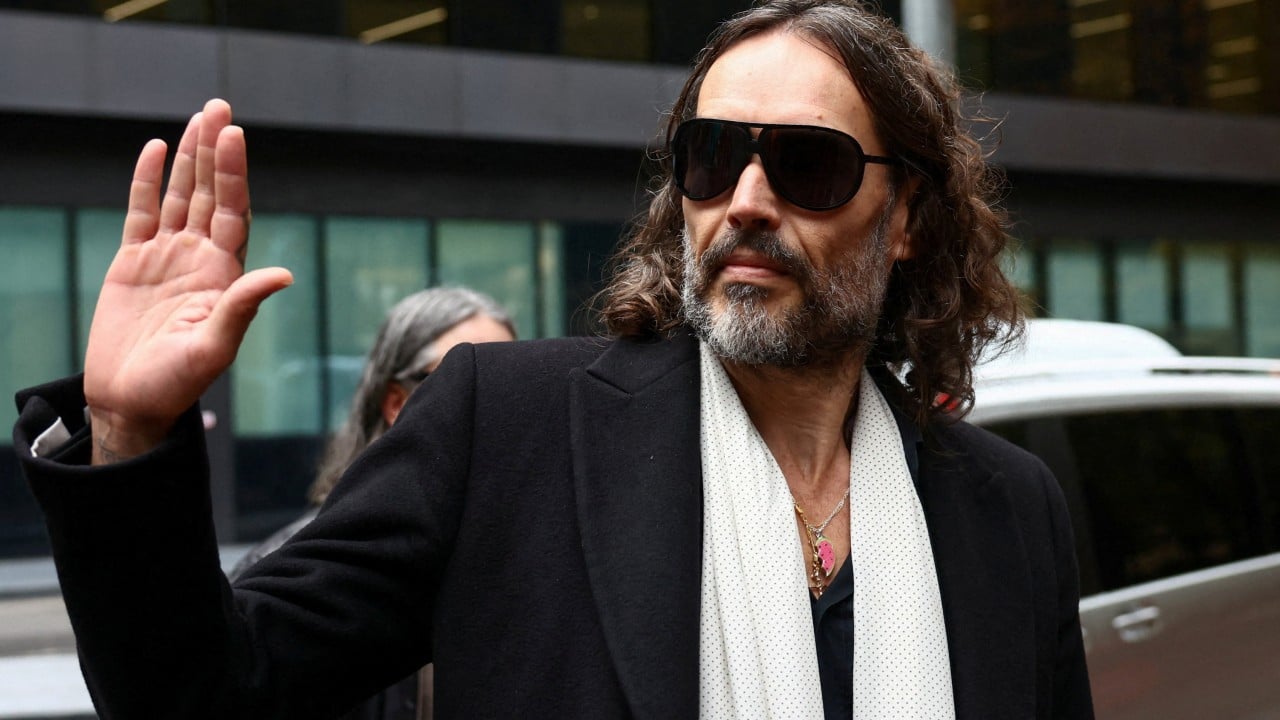
Ten and a half years behind bars. That's the reality facing Russell Brand after a Southwark Crown Court jury convicted him of rape and three counts of sexual assault in November 2026, ending years of speculation with a sentence that makes his earlier "facing prison" headlines look almost quaint.
Let's be clear about where things stand right now. Brand, 51, was found guilty on November 5, 2026, of attacking four women between 2004 and 2009—the exact window when his chaotic, motor-mouthed brand of British comedy was booming on radio, television, and Hollywood sets. Four days later, on November 9, Justice Joel Bennathan handed down a total prison term of 10 years and six months. Under English sentencing rules, Brand must serve two-thirds of that sentence before becoming eligible for release on licence, putting his earliest realistic release window around 2033, followed by lifelong notification requirements under the Sexual Offences Act 2003.
Anyone covering celebrity trials knows how often early headlines get stuck in a holding pattern. A defendant gets charged, a headline warns they "face prison," and months drag out before a verdict lands. Here, the verdict and sentence are already on the record—and the details that came out in court hit way harder than a generic tabloid recap ever could.
How The Russell Brand Prison Sentence Dismantled Old Excuses
In his sentencing remarks, Judge Bennathan didn't dress up the facts in polite legal euphemisms. He pointed straight at the culture that surrounded Brand two decades ago: clever, charismatic, loud, and surrounded by people who treated boundary-pushing behavior as part of the show. "You had also become a sexual predator," the judge told him, calling out a "casual, arrogant disregard" for any woman's right to say no.
That matters because for years, defenders and casual observers alike tried to blur the line between "outrageous laddishness" and criminal conduct. In court, that excuse fell apart. The jury acquitted Brand on two counts of rape and one count of attempted indecent assault across six accusers—proof, honestly, that the panel weighed each charge separately rather than rubber-stamping everything. Where they were sure, they convicted: nine years for the rape conviction alone, plus consecutive terms of nine months, 18 months, and eight months across the three sexual assault convictions.
What struck me most reading the sentencing remarks wasn't just the length of the term, though 10.5 years in a Category 1 serious sexual offense bracket is severe. It was how the court treated the surrounding environment. Victims described assaults at a party, at a London radio station while doing their jobs, and after a comedy show—moments where fame created a power imbalance and entourages either laughed along or stood frozen. When a judge explicitly rejects the idea that charisma or celebrity excuses crossing the line, it sets a marker that other public figures can't easily wave away.
What People Get Wrong About Non-Recent Sex Offense Trials
Whenever a high-profile case involves events from 17 to 22 years ago, the same myths pop up in comment sections. People assume old cases automatically collapse because memories fade or physical evidence is long gone.
Sometimes they do. Here, they didn't—and here's why.
Testimony Still Carries Serious Weight When Consistent
In non-recent cases, juries look closely at whether a witness's account holds up under cross-examination, whether it aligns with contemporaneous details, and whether the defendant's own testimony rings true. Judge Bennathan noted that Brand told the jury he had never touched a woman sexually without consent, a claim the judge called one of "a series of lies" in light of the verdicts. When a defendant's version of events is contradicted by credible witnesses and patterns of behavior, time alone doesn't erase accountability.
Acquittals Don't Mean The Trial Failed
A common mistake people make when reading mixed verdicts is treating partial acquittals as a win for the defense or a sign of a weak prosecution. In reality, clearing a defendant on some counts while convicting on others shows the criminal standard of proof—"being sure"—was applied count by count. For victims who didn't get a conviction on every count, that can be painful. For the integrity of the verdict, it's the system working the way it's supposed to.
Publishing And Online Fallout Moves Fast Now
Years ago, a disgraced entertainer might lose a TV gig and quietly rebuild on a niche stage. By November 2026, the fallout hit almost instantaneously. Major publishers including Pan Macmillan, Hodder & Stoughton, and HarperCollins moved to withdraw Brand's remaining published titles from sale after the conviction, while questions around his massive online following and prison communications quickly spilled into wider debates about platform rules and prison oversight.
The Rebrand From Shock Jock To Wellness Preacher
If you've watched Brand's trajectory over the last decade, you know he didn't stay frozen in his Get Him to the Greek era. He pivoted hard—first into anti-establishment commentary, then into spirituality, recovery talk, and Christian-inflected wellness content aimed at millions of subscribers online.
That reinvention is worth looking at with clear eyes. Rebranding yourself as a moral voice or spiritual guide doesn't rewrite your past, nor does it insulate you from a jury looking at what happened years earlier. Even after his imprisonment, his wife Laura Brand continued posting to his channel, reading a message in which Brand maintained his innocence while sparking fresh scrutiny over prison rules and online amplification.
In my view, audiences are getting sharper about spotting a late-stage makeover. When someone pivots to preaching righteousness right as old accusations gain traction, skepticism isn't cynicism—it's basic pattern recognition. Still, fans who connected with his recovery messages or online broadcasts often feel whiplash when the person behind the microphone turns out to be someone very different from the persona they trusted.
Practical Ways To Follow Coverage Without Getting Played
High-profile trials bring out the worst in media coverage: breathless rumors, unverified side-stories, and rage-bait clips engineered for clicks. If you're following this case or similar trials in the UK or elsewhere, a few habits will save you a lot of noise.
- Read official summaries and court reporting first. Look at statements from the Crown Prosecution Service and published Judiciary UK sentencing remarks rather than relying on secondhand social media threads. They separate proven convictions from unproven allegations and explain exact sentences.
- Watch the distinction between conviction, acquittal, and new allegations. News feeds love bundling a sentencing story with unrelated claims or fresh police reports. Keep those buckets separate in your head so you know what a court has actually decided.
- Respect reporting restrictions and anonymity rules. In UK sexual offense cases, victims are granted lifelong anonymity. Sharing or amplifying guesses about who someone is isn't just reckless—it can cross legal lines and retraumatize people who already went through a grueling process.
- Use verified support resources if the topic hits close to home. Cases involving sexual violence and abuse can trigger heavy emotions, even if you're just reading the news. In the UK, organizations like Rape Crisis offer confidential support, while in the US you can reach RAINN at 800-656-4673.
The sentence is set, the courtroom doors have closed on this chapter, and the precedent on how celebrity status is judged in court is sitting right there in black and white.