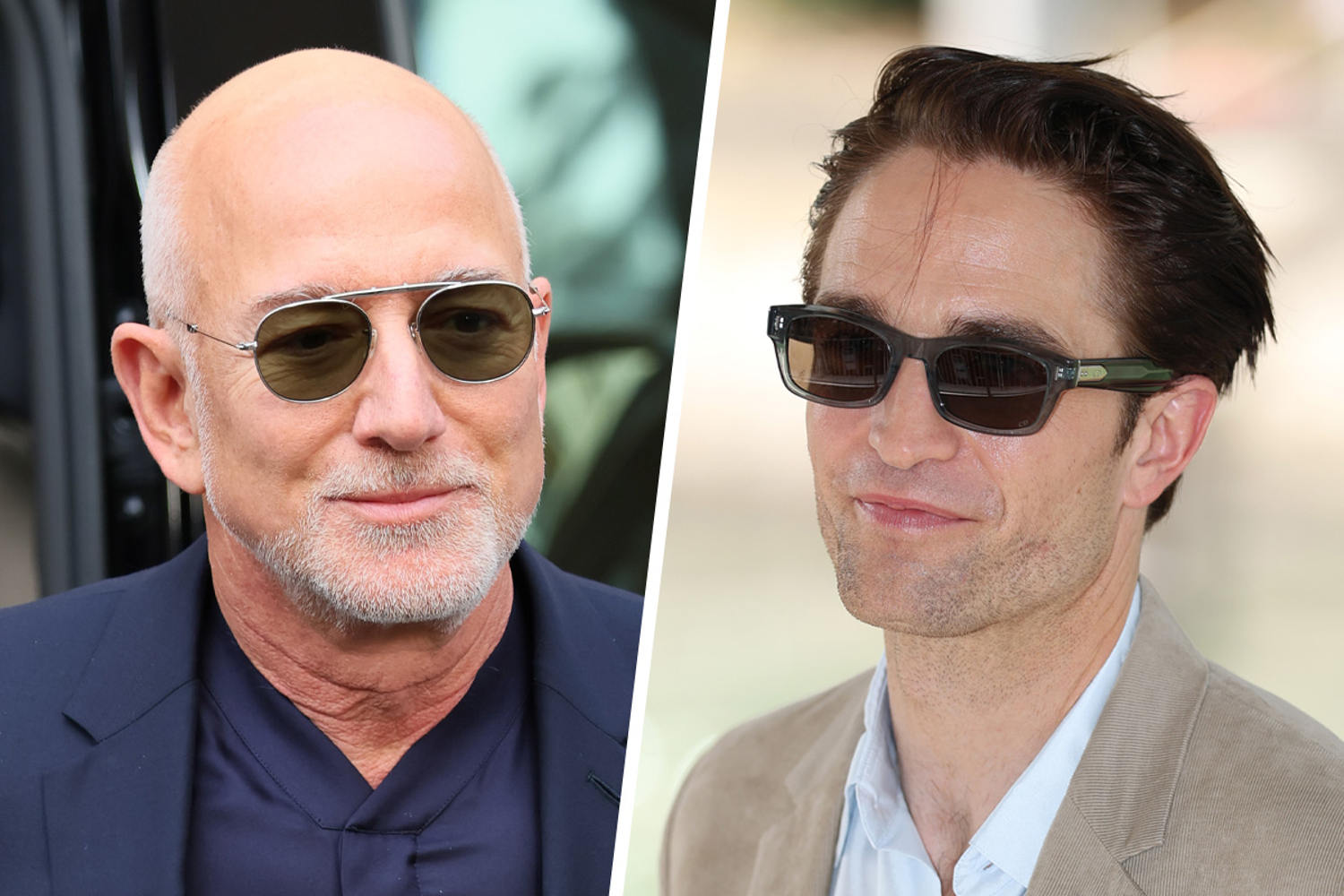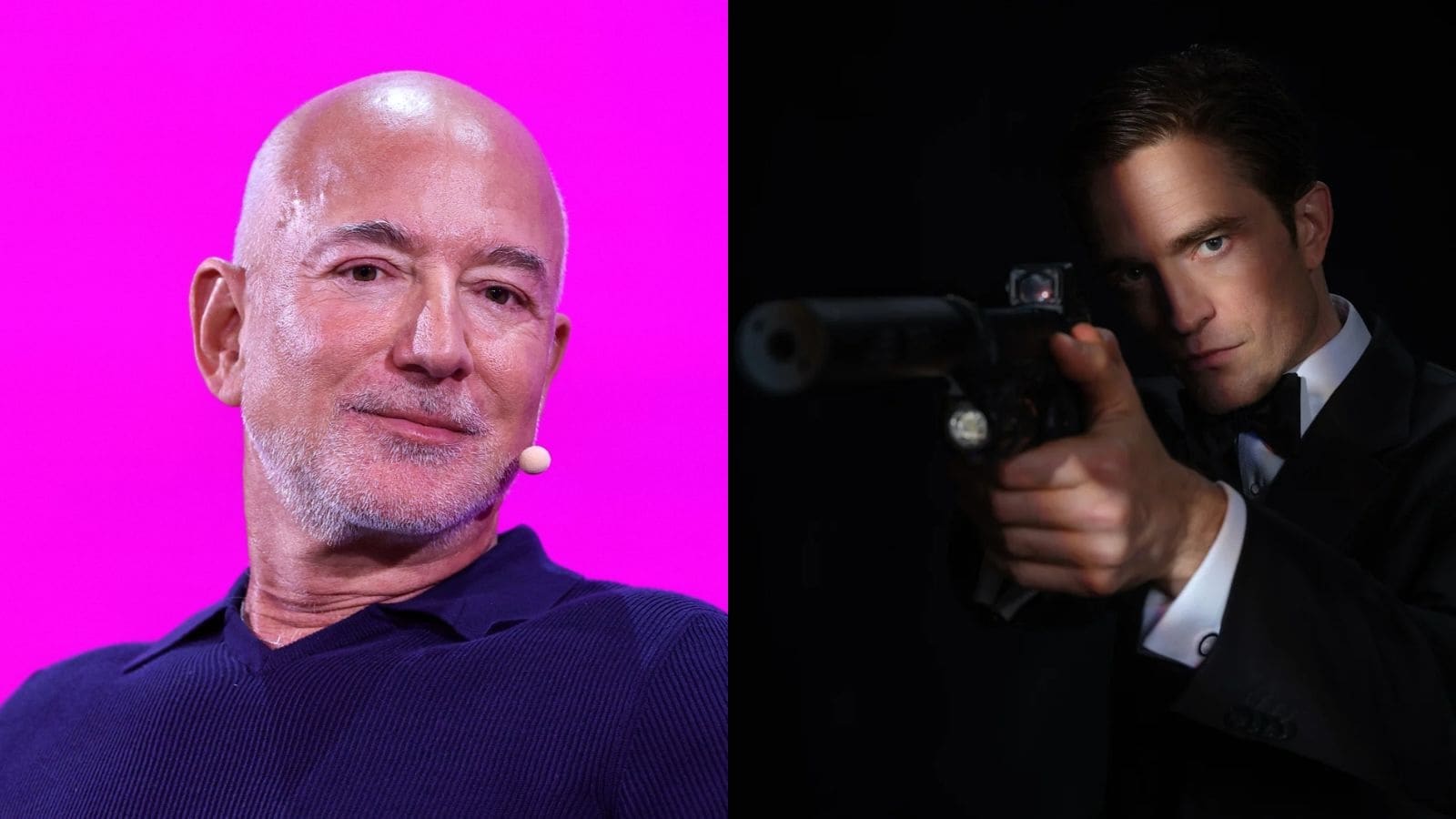
Hollywood gossip columns love a fairy tale. Right now, the entertainment press is breathlessly recycling the claim that Amazon founder Jeff Bezos personally intervened in the next 007 casting process, swooning over whatever magic Robert Pattinson supposedly brought to a secret James Bond audition.
Stop believing everything you read in clickbait aggregation feeds.
First, let us deal with basic reality. There is zero verified public record of Jeff Bezos sitting in a casting room judging Robert Pattinson for James Bond, nor has Eon Productions confirmed formal screen tests for the next 007. When stories like "Jeff Bezos reveals what made Robert Pattinson stand out in the James Bond auditions" circulate without a verifiable primary source, you are looking at classic internet rumor laundering. A fabricated or wildly distorted headline gets repeated until casual readers treat it as studio gospel.
Yet the rumor itself exposes something far more interesting than fake casting trivia. It reveals a massive blind spot in how fans, pundits, and even junior studio executives misunderstand franchise IP, corporate governance, and modern stardom.
If you are debating whether Robert Pattinson has the "it factor" to impress a tech billionaire, you are asking the wrong question entirely. You are looking at the shiny hood ornament while ignoring who actually owns the engine, who holds the keys, and why modern franchise casting has almost nothing to do with a single audition tape.
The Myth of the Billionaire Casting Director
The lazy consensus assumes that because Amazon acquired MGM in 2022 for $8.5 billion, Jeff Bezos now sits in a leather armchair in Culver City, personally hand-picking actors like a 1930s studio mogul.
That is not how modern media conglomerates work, and it is certainly not how the James Bond franchise operates.
I have watched major media acquisitions implode from the inside because executives confused financial ownership with creative control. Buying the balance sheet does not mean you get to rewrite the creative bylaws on day one. When Amazon bought MGM, it acquired distribution rights and a 50 percent financial stake in the Bond franchise. The other half—along with ironclad creative veto power over casting, scripts, directors, and release windows—has historically rested with Eon Productions, steered by Barbara Broccoli and Michael G. Wilson.
For decades, Eon operated like a fiercely guarded family monarchy. No actor puts on the tuxedo without Eon signing off. Even if a tech executive had a favorite actor in mind, Eon’s historical mandate was simple: protect the theatrical prestige of the brand at all costs and resist turning 007 into algorithmic streaming content.
Think about what happens when corporate logic collides with legacy creative control:
- The Tech Conglomerate Mindset: Optimizes for subscriber acquisition, global data metrics, spin-off potential, and predictable four-quadrant appeal.
- The Legacy Producer Mindset: Optimizes for cultural scarcity, theatrical event status, and multi-film actor durability over a ten-to-fifteen-year cycle.
- The Reality Gap: When these two philosophies clash, casting grinds to a halt. You do not get swift, unilateral billionaire decrees. You get years of strategic gridlock.
Pretending that Bezos casually revealed secret audition notes reduces one of Hollywood's most complex corporate power struggles into a cheap fan-fiction anecdote.
Why the "Audition" Narrative Is Backward
Even if we set aside the corporate structure and treat the Robert Pattinson scenario as a pure casting case study, the popular narrative still gets the mechanics of star-making completely wrong.
Mainstream entertainment coverage treats auditions like a high school talent show. An actor walks into a room, delivers a killer monologue, flashes a charismatic smirk, and suddenly the executives see the light.
At the $250 million franchise level, nobody discovers Robert Pattinson in an audition room.
Pattinson is already a known quantity with over fifteen years of global box office data, critical acclaim, and physical transformation on tape. Between Tenet, The Lighthouse, Good Time, and The Batman, any studio executive with a functioning screen already knows exactly what Pattinson can do with stillness, menace, physicality, and dry British wit.
In high-stakes franchise casting, traditional auditions are rarely about discovering talent. They are risk-mitigation exercises.
When producers bring an established A-list actor into a room for a role like Bond, they are testing three specific variables that cannot be gleaned from past movies:
- Chemistry Under Pressure: How does the actor interact with the director and producers when notes are given on the fly? Ego kills ten-year franchise commitments faster than bad box office.
- Tonal Calibration: Can the actor walk the razor's edge between brutal physical credibility and effortless aristocratic charm without slipping into parody?
- The Suit and Lens Test: How does their face read on 70mm or IMAX glass under specific lighting conditions? Some brilliant stage and indie actors lose their magnetism when framed as larger-than-life action icons.
If an executive claims an actor "stood out" in a room, they are usually talking about subtle behavioral control, not theatrical fireworks. Great screen acting at that scale is subtractive. The amateurs try to prove they are tough. The professionals lower their heart rate and let the camera do the work.
The Robert Pattinson Paradox
Here is where the contrarian truth cuts both ways. While the viral Bezos rumor is bogus, the underlying debate around Pattinson as a Bond prototype highlights a genuine strategic dilemma for the franchise.
On paper, Pattinson checks boxes that studio algorithms love. He is British. He has proven global box office draw. He has already carried a legacy IP reboot with The Batman, proving he can handle relentless press tours and intense fan scrutiny without breaking.
Yet casting an actor of Pattinson’s specific stature would actually violate the foundational business model that made Eon Productions successful for over sixty years.
Look at the historical pattern of Bond casting:
- Sean Connery: A former bodybuilder and television actor with almost zero mainstream film heat before Dr. No.
- George Lazenby: A literal car salesman and model with no prior acting credits.
- Roger Moore: Famous from television (The Saint), not a theatrical movie star.
- Timothy Dalton: A respected classical stage actor who was largely unknown to casual American multiplex audiences.
- Pierce Brosnan: Best known for a 1980s detective show (Remington Steele) that had been off the air for years before GoldenEye.
- Daniel Craig: A gritty character actor known for indie dramas and supporting roles (Layer Cake, Munich) whose casting triggered massive tabloid backlash.
Notice the pattern. Eon never hires the guy who is already playing another iconic billion-dollar superhero.
Why? Because of IP Dilution and Leverage.
When you hire a rising character actor on the cusp of stardom, the studio owns the mythology. The audience sees James Bond, not the actor’s previous franchise baggage. Furthermore, the studio retains massive financial leverage over the talent's multi-picture contract.
When you hire an actor who is already Bruce Wayne, two catastrophic things happen to your brand economics:
First, the audience experiences cognitive friction. Watching Bruce Wayne order a martini in Monte Carlo breaks immersion. You are paying $30 million-plus in backend points for an actor whose face is permanently stamped onto a rival studio's lunchboxes.
Second, you surrender scheduling control. Major franchise stars have complex production calendars, creative approvals, and zero incentive to sign restrictive four-film lockups that prevent them from taking passion projects with auteur directors. Pattinson spent a decade escaping the Twilight machinery specifically so he would never again be owned by a single corporate franchise.
What Actually Makes a Modern 007 Stand Out
If executives are not looking for a viral audition moment or a recycled superhero star, what actually separates a viable Bond contender from the dozens of handsome British actors on agency wishlists?
It comes down to a brutal, unglamorous checklist that rarely makes gossip headlines.
1. The Ten-Year Physical Durability Test
Playing Bond is no longer about raising an eyebrow over a baccarat table. Since Daniel Craig’s Casino Royale reset the physical baseline in 2006, the role requires punishing stunt work, martial arts choreography, and elite cardiovascular conditioning. Studios do not just look at an actor's current physique; they look at their injury history, recovery habits, and age trajectory. Hiring a 38-year-old actor today means your third film might not hit theaters until he is 46. Insurance underwriters look closer at medical charts than casting directors look at headshots.
2. Zero-Sum Charisma
Most actors project warmth to make the audience like them. That is fatal for Bond. The character is an assassin licensed by the state—a blunt instrument wrapped in Savile Row tailoring. The actor has to project cold, transactional competence while remaining magnetic enough that audiences want to spend two and a half hours in his company. If an actor begs for sympathy on screen, he fails.
3. Press Tour Immunity
A global Bond rollout requires forty days of grueling international press, brand partnerships with luxury watchmakers and automakers, and endless questions about politics, gender dynamics, and franchise legacy. One clumsy soundbite on a morning show can trigger a PR crisis across three continents. Studios prioritize actors with bulletproof media discipline—people who can give a thousand interviews without saying a single controversial word.
The Downside of the Contrarian Play
I will admit the obvious flaw in sticking rigidly to the traditional Eon playbook. The theatrical landscape has shifted violently since 2006.
Back when Daniel Craig was cast, mid-budget cinema was healthy, physical media still generated billions in pure profit, and an unknown actor could become a household name overnight simply by stepping into a famous IP. Today, audiences are fractured across dozens of streaming platforms, attention spans are shredded, and theatrical moviegoing requires massive cultural momentum just to break even on marketing costs.
Playing it safe with a complete unknown carries real commercial risk in an era where theatrical attendance is fragile. There is a legitimate boardroom argument for buying pre-packaged global awareness—which is precisely why tech-backed studios keep floating massive names like Pattinson, Henry Cavill, or Aaron Taylor-Johnson in internal strategy memos.
Even so, chasing pre-packaged fame is a short-term sugar high. It solves the opening-weekend marketing problem while creating a ten-year creative and financial headache.
How to Read Hollywood Rumors Like an Insider
The next time you see a headline claiming a tech billionaire or studio chief revealed secret details about a marquee casting decision, run it through three quick filters before sharing it:
- Check the Trade Verification: Did the story break in Variety, The Hollywood Reporter, or Deadline with named sources or official studio reps? If it originated on a random social media account or a content-farm blog, treat it as fiction.
- Follow the Contract Leverage: Ask yourself who benefits from the rumor. Agents routinely leak fake casting buzz to inflate their client's quote during negotiations for completely unrelated projects.
- Look at the Release Calendar: Major franchise casting is timed to financial quarters and production start dates. Nobody leaks authentic audition feedback years before a script or director is locked.
Stop letting fabricated billionaire anecdotes dictate how you understand the movie business. The real story behind James Bond is never what happened in a secret audition room—it is the relentless tug-of-war between corporate algorithms and creative control over who gets to define cinema's most valuable tuxedo.