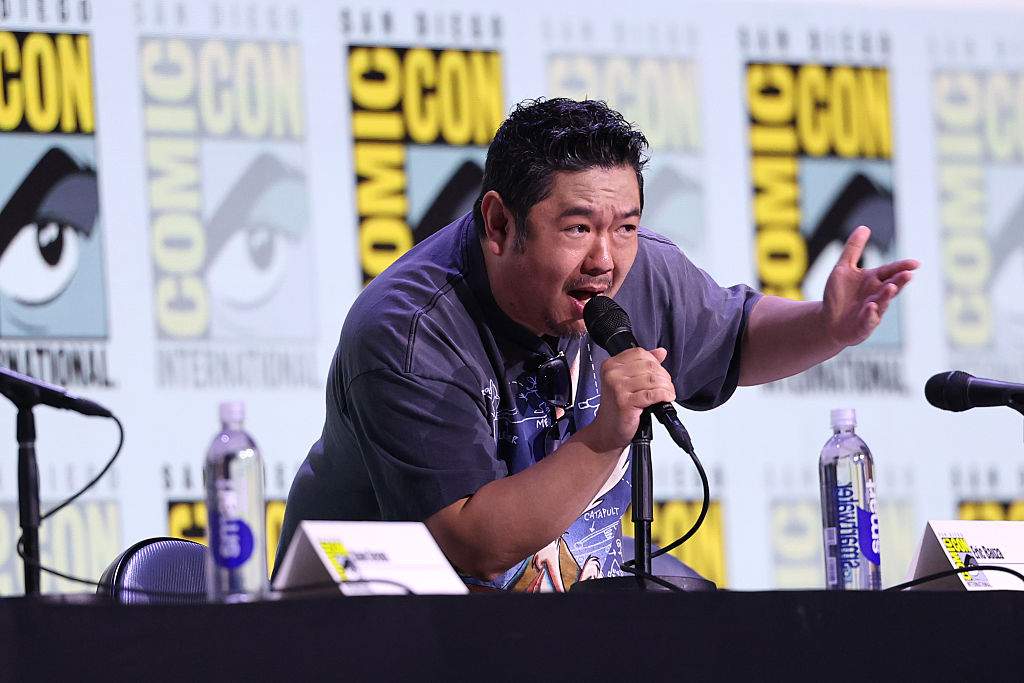
Eric Bauza is alive. Despite a sudden wave of viral social media posts and dubious click-farm headlines claiming the Canadian voice actor—famed for voicing Bugs Bunny, Daffy Duck, Tweety, and Marvin the Martian—died at 46, no credible news organization, family representative, or studio partner has confirmed any such tragedy.
The rumor is a classic internet death hoax. It thrives on the exact intersection of beloved nostalgia, algorithmic engagement traps, and the public's unfamiliarity with the faces behind iconic animated voices.
When a headline declares that the voice of Bugs Bunny has died, millions of people experience an immediate emotional jolt. They click. They share. They post tearful tributes before checking a single primary source. By the time the truth catches up, the scam accounts behind the rumor have already harvested millions of impressions, ad revenue, and account followers.
Anatomy of a Modern Death Hoax
Internet death hoaxes are not new, but their mechanics have evolved into a ruthlessly efficient business model. Years ago, a fake obituary required a convincing-looking spoof website and a massive email chain. Today, it takes thirty seconds on a social media platform, a black-and-white photograph, and a vague caption implying a sudden tragedy.
Voice actors are uniquely vulnerable to this specific brand of misinformation. Unlike live-action movie stars whose daily movements are tracked by paparazzi and publicists, voice actors operate largely outside the traditional celebrity press machine. Even a titan of the industry like Eric Bauza, who won multiple Emmy Awards for his work on Looney Tunes Cartoons and Bugs Bunny Builders, does not have a public relations team issuing hourly updates to entertainment tabloids.
That gap in real-time coverage creates a vacuum. When a malicious actor posts a fabricated memorial graphic, there is no immediate institutional pushback. Fans search for the actor's name, see a dozen identical posts echoing the same false claim, and assume the sheer volume of chatter equals verification.
How the Engagement Trap Works
To understand why these hoaxes spread so aggressively, you have to look at the incentives governing modern social media feeds. Algorithms do not measure truth. They measure velocity.
- The Emotional Hook: Nostalgia combined with sudden grief is the highest-converting emotional trigger online. Bugs Bunny is not just a cartoon character; for multiple generations, he represents childhood comfort. Threatening that memory forces an immediate reaction.
- The Ambiguity Gap: Hoax creators rarely link to an actual news article. Instead, they use phrasing like "Rest in Peace" alongside dates of birth and a fabricated date of death, or they link to ad-heavy, malware-ridden blogs that bury the actual text beneath pop-ups.
- The Comment Section Battle: Even skeptical users inadvertently boost the lie. When ten thousand people comment "Is this real?" or "Fake news," the platform's algorithm interprets the surging comment count as high-value engagement and pushes the post to millions more timelines.
Why Eric Bauza Became a Target
Eric Bauza is not just another working voice actor in Hollywood. Born in Scarborough, Ontario, in 1979, Bauza spent decades grinding through the animation industry, starting as a character designer before transitioning into voice work. Over the past decade, he effectively became the primary custodian of Warner Bros.' most valuable animated intellectual property.
Taking over from legends like Mel Blanc, Jeff Bergman, and Billy West is no small feat. Blanc, known as "The Man of a Thousand Voices," defined the Looney Tunes canon for half a century. When Blanc died in 1989, the industry wondered if those characters could ever truly sound right again. Bauza answered that question. Through painstaking vocal study and immense comedic timing, he brought Bugs Bunny, Daffy Duck, Porky Pig, and Elmer Fudd into the modern era without making them feel like museum pieces.
Because his vocal resume spans so many massive franchises—from Teenage Mutant Ninja Turtles and Rick and Morty to The Fairly OddParents and SpongeBob SquarePants—a hoax targeting Bauza casts an unusually wide net. A single fake headline hits fans of classic Saturday morning cartoons, modern adult animation, and contemporary kids' programming all at once.
The Age Factor in Hoax Credibility
Notice the specific detail in the circulating rumor: "dead at 46."
Effective misinformation always anchors itself to a verifiable fact. Eric Bauza was born on December 7, 1979. In late 2026, he is indeed 46 years old. Hoax generators routinely pull a celebrity's real birth year from Wikipedia or IMDb to calculate their exact current age. Including that accurate number gives the fabricated headline a veneer of journalistic rigor. Readers subconsciously think that if the writer knew the actor's exact age, they must have checked the facts.
It is a cheap psychological trick, and it works almost every time.
The Real Damage Behind Fake Celebrity Obituaries
It is easy to dismiss death hoaxes as harmless internet noise, a minor annoyance that gets cleared up within twenty-four hours. Industry veterans know better. These rumors inflict tangible damage on working performers, their families, and the broader media ecosystem.
First, there is the immediate personal trauma. Imagine waking up to hundreds of panicked text messages from childhood friends, extended family members, and former colleagues trying to figure out if you are still breathing. For an actor's aging parents or young children, seeing a trending topic declaring their loved one dead is a terrifying experience before a phone call can confirm otherwise.
Second, false death reports create genuine professional friction in Hollywood. Casting directors, producers, and studio executives rely on rapid information. While a major studio like Warner Bros. Animation obviously knows the status of its lead star, smaller independent productions, convention organizers, and commercial agencies operate on much thinner communication lines. A persistent rumor can cause confusion over availability, delay contract negotiations, or force agents to spend entire workdays issuing frantic denials instead of booking jobs.
The Erosion of Public Trust
Perhaps the most corrosive effect is what happens to audience trust over time. Every time the internet cries wolf over a celebrity's death, the public becomes slightly more cynical.
When a beloved voice actor actually does pass away—as happened when Kevin Conroy, the definitive voice of Batman, died in 2022, or when Arleen Sorkin, the original Harley Quinn, passed in 2023—the initial reaction online is now routinely met with skepticism and accusations of another hoax. Genuine grief gets tangled up in internet detective work.
How to Verify Breaking Celebrity News in Seconds
You do not need an investigative journalism degree to avoid falling for a fabricated obituary. You just need a basic, repeatable verification habit before hitting the share button.
Check the Legacy Trades First
In the entertainment industry, real deaths do not break on anonymous social media accounts or obscure blogs with generic domain names. When a performer of Eric Bauza's stature passes away, the news is confirmed almost immediately by established Hollywood trade publications—specifically Variety, The Hollywood Reporter, and Deadline. These outlets have direct lines to talent agencies, publicists, and guild representatives. If a major actor has died and none of those three sites have published a story within an hour, the rumor is almost certainly false.
Inspect the Source Account
Look closely at the profile pushing the headline. Does it have a long history of original reporting, or is it a newly created page posting stolen memes, engagement bait, and links to ad-riddled websites? Many hoax networks use automated templates, swapping out a celebrity's name and photo every few days to keep their traffic numbers artificially inflated.
Look for Official Studio or Guild Statements
When an iconic voice actor dies, the studios they worked with and the unions they belonged to—such as SAG-AFTRA—release formal statements acknowledging their passing. Warner Bros. Animation would never remain silent if the voice of Bugs Bunny suddenly died. Silence from the studio is the loudest possible confirmation that the actor is fine.
Search the Actor's Direct Channels
Voice actors are notoriously active on social media, frequently interacting with fans, promoting upcoming convention appearances, and sharing behind-the-scenes clips from the recording booth. Checking an actor's verified Instagram, X, or Bluesky account often reveals activity posted hours after their supposed demise.
The Future of the Voice Acting Industry
The irony of a hoax claiming Eric Bauza is dead is that the voice acting industry is currently fighting a very real battle over vocal mortality. Across Hollywood, performers are pushing back against unauthorized artificial intelligence cloning—a technology that threatens to keep a character's voice alive indefinitely without paying or crediting the human being who created it.
Bauza himself has been vocal about the irreplaceable human element in animation. Voices like Bugs Bunny and Daffy Duck are not static soundboards; they are living performances shaped by decades of comedic instinct, breath control, and emotional nuance. You cannot automate the split-second timing it takes to make an animated rabbit outsmart a hunter for the thousandth time and still make it feel fresh.
The internet will inevitably invent another death hoax next week, targeting another beloved figure whose face is less famous than their work. Until social media platforms stop rewarding outrage and grief with algorithmic reach, the burden of skepticism falls entirely on the reader.
Verify the source before you mourn.