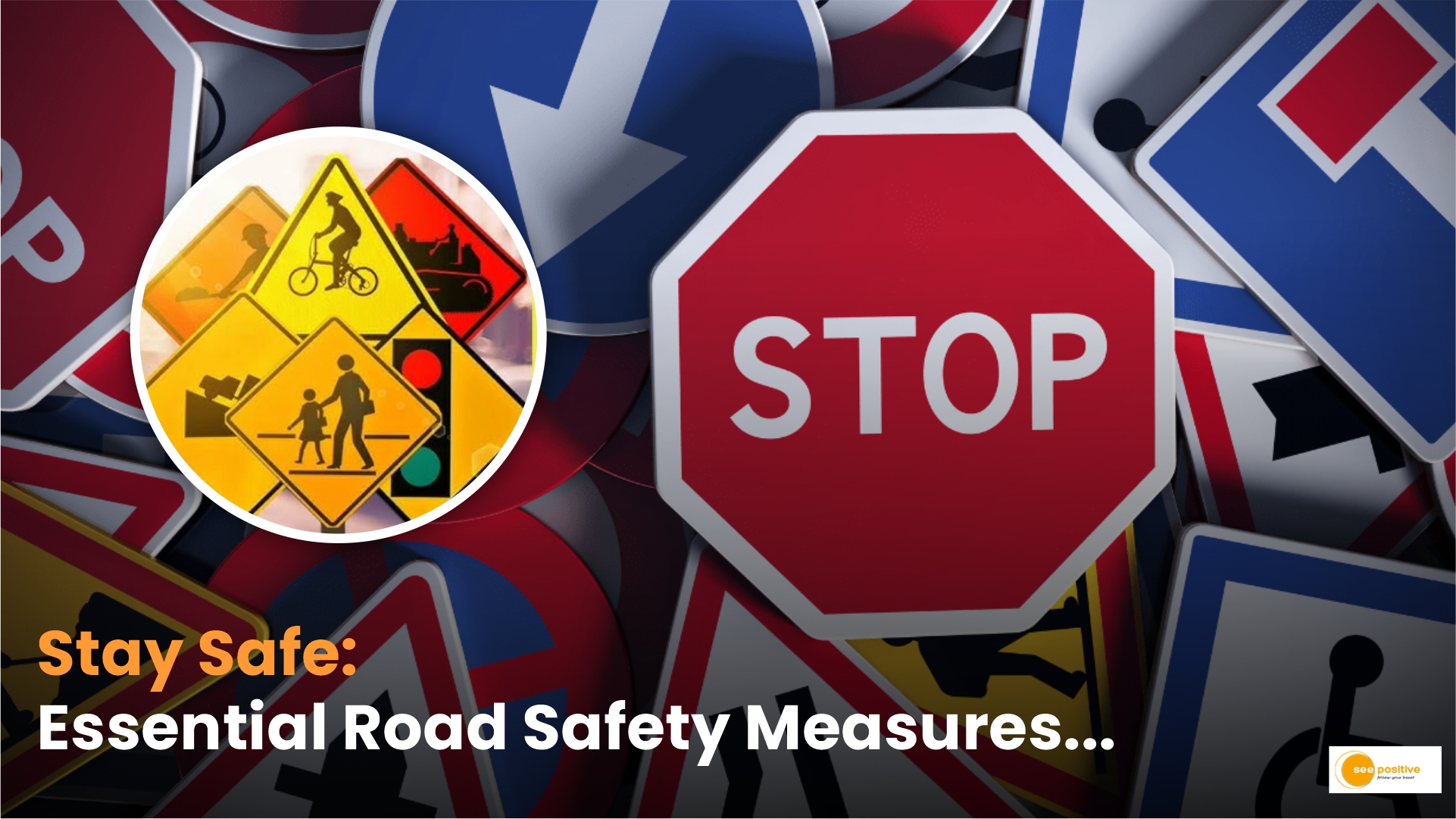
You don’t usually think about your "right to life" when you’re standing at a crosswalk. You’re just trying to get to work or drop the kids at school. But every time a car speeds through a red light or a sidewalk disappears into a muddy ditch, that right is being gambled with. It’s not just a traffic problem. It’s a systemic failure to protect human dignity.
At the 61st session of the United Nations Human Rights Council (UNHRC) in Geneva, the Patiala Foundation brought this home. Ravee Singh Ahluwalia, the foundation's CEO, delivered a blunt video statement during the General Debate. His point was simple: safe mobility is a fundamental human right. If you can’t move from point A to point B without a high statistical chance of dying, your government isn’t doing its job.
The high cost of unsafe roads
Road crashes aren't "accidents." Most are preventable consequences of poor policy and bad engineering. In India, the numbers are staggering. We're talking about over 150,000 lives lost every year. That’s a small city wiped off the map annually. When a breadwinner dies in a crash, the family doesn't just grieve; they often collapse into poverty. This is why the Patiala Foundation is pushing for the UN to look at road safety through the lens of Item 3—the promotion and protection of all human rights.
It’s about more than just asphalt and paint. It's about:
- The Right to Life: Preventing thousands of unnecessary deaths.
- The Right to Health: Reducing the burden of lifelong disabilities.
- Equity: Protecting the "vulnerable" users—cyclists and pedestrians—who don't have a steel cage around them.
India is finally stepping up
Honestly, India used to be the poster child for road chaos. But things are shifting. The UNHRC statement acknowledged that road safety is now a national priority. The Sadak Suraksha Abhiyan 2026 initiative is a big part of that. It’s focusing on actual discipline and better infrastructure rather than just putting up "drive slow" signs that everyone ignores.
International observers are noticing. In 2025, the Indian government picked up the Prince Michael International Road Safety Award. Why? Because they finally got serious about vehicle safety standards and crash-test ratings. You can’t have safe roads if the cars on them are tin cans.
Grassroots action over red tape
While the UN talks, organizations like the Patiala Foundation are doing the legwork. Their Project SADAK is a practical blueprint for what actually works. They don’t just write reports; they hand out reflective stickers to cyclists—over 27,000 so far. It’s a low-tech solution that saves lives by making sure a truck driver actually sees the person on the bicycle at 5:00 AM.
Then there’s the Children Challan Book. It’s a clever way to guilt-trip adults into driving better. Kids "issue" tickets to their parents for speeding or skipping seatbelts. It sounds cute, but it’s effective. It changes the culture from the inside out. They’re also auditing school zones to ensure kids with disabilities can actually get to class without risking their lives.
What needs to happen next
We need to stop treating road safety as a "transportation issue" and start treating it as a "justice issue." If a bridge collapses, people are outraged. If a thousand people die because of a poorly designed intersection, we call it a tragedy and move on. That mindset has to die.
Governments need to stop chasing "growth" while ignoring the fact that road crashes eat up roughly 3% of the GDP. The UN Road Safety Fund is starting to pump money into sustainable financing for India, specifically in states like Rajasthan, Tamil Nadu, and Assam. This is a start, but it’s not the finish line.
If you want to do something today, stop waiting for the UN. Start by demanding a Safe School Zone in your neighborhood. Check if your local roads have actual, protected paths for people who aren't in cars. Use your voice to remind local officials that your right to get home safely isn't up for debate.