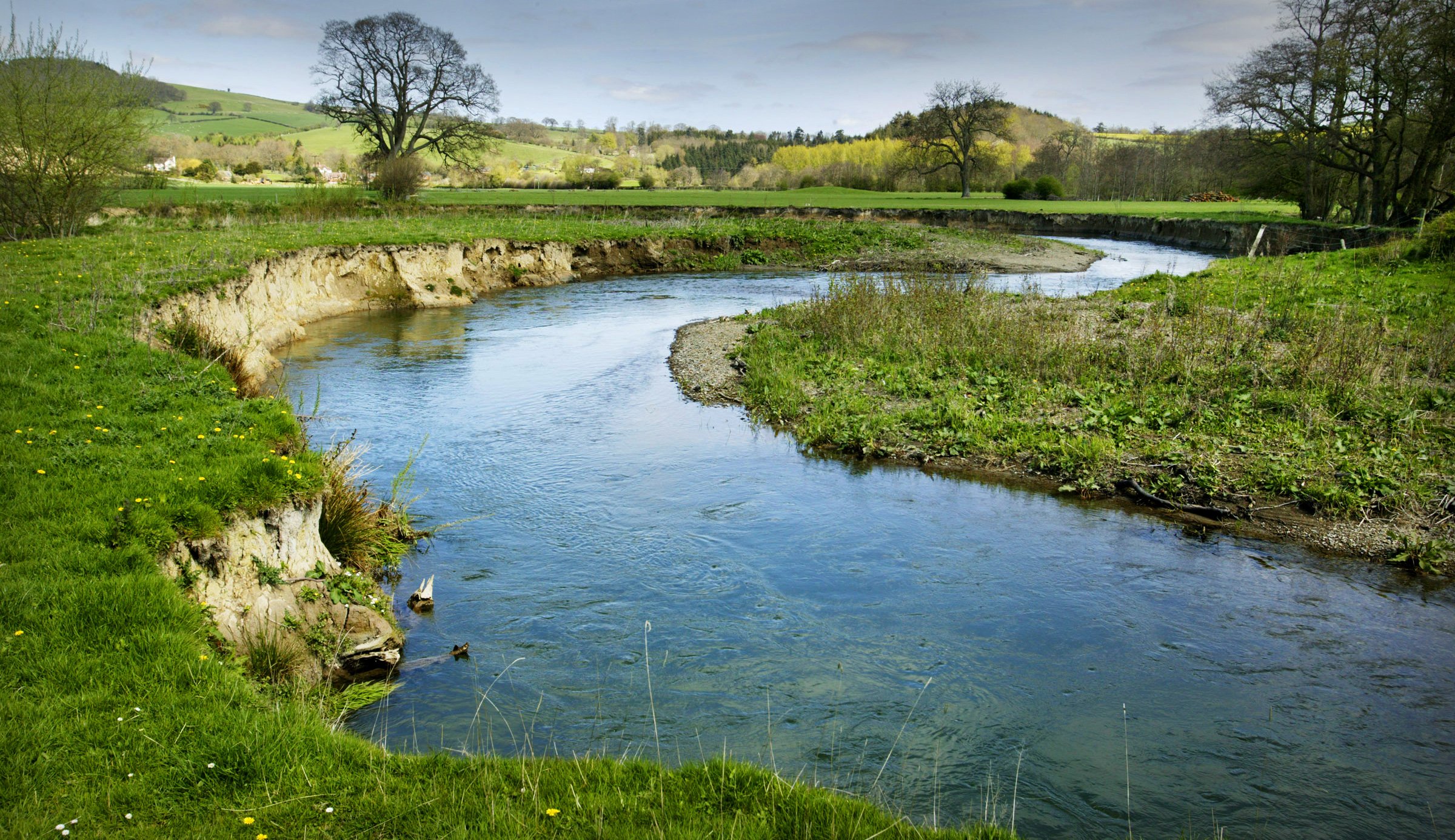
The water does not knock. It arrives with the heavy, flattening weight of a freight train tearing through a sleeping kitchen.
Listen closely. If you stand on the banks of the Bhotekoshi River in the dead of night, you do not hear water. You hear rocks grinding against rocks. You hear the deep, subterranean groan of a mountain range slowly sliding into the valley below. It sounds like a living thing digesting something it cannot quite swallow.
For the people whose doorways open directly onto this steep, mist-shrouded gorge in Nepal, the river is an old, unpredictable neighbor. Most days, it is a ribbon of glacial turquoise, slicing sharply through stone and pine. But memory is long in these valleys. Every villager knows that the same water can turn feral in an hour, fed by sudden, violent clouds bursting against the rooftop of the world.
Right now, that old fear has returned.
Nepal has issued an urgent warning. The Bhotekoshi River is rising again, its currents swelling with the frantic runoff of erratic monsoons and high-altitude glacial melt. This is not just a seasonal fluctuation. It is a terrifying echo of a crisis that has already claimed 734 lives. Seven hundred and thirty-four human beings, each with a kitchen table, a favorite wool blanket, a set of keys, and a tomorrow that was stolen by a wall of muddy water.
Consider what happens next when the gauges spike.
Upstream, high in the remote folds of the Himalayas, the rain falls harder than the earth can drink. The soil, loosened by centuries of seasonal stress and human footprint, lets go. It slides. It chokes the narrow channels. A temporary, invisible dam forms of mud, timber, and stone, holding back millions of tons of pressure.
Then, the dam breaks.
Downstream, in the villages clinging to the steep cliffs, there is no polite warning siren. There is only a sudden drop in the ambient sound of the river—a terrifying silence as the water pulls back—followed immediately by a roar that vibrates in your chest before you even hear it with your ears.
(Note: The description of the water pulling back before a surge is a well-documented hydraulic phenomenon of flash floods, where the initial blockage momentarily starves the lower channel.)
I have walked these paths. I have felt the biting, thin air of the high passes, and I have seen the way local families look up at the monsoon clouds with eyes that hold a quiet, exhausting dread. You cannot explain the psychology of living next to a ticking clock unless you have watched the riverbank creep closer to your porch year by year. It forces a strange kind of fatalism. You plant your crops. You fix your roof. You keep your boots by the door.
The numbers tell a staggering story, yet they flatten the human reality. When we hear that the death toll has reached 734, our brains tend to treat it as a statistic. A tragic tally in a distant corner of the globe. But scale it down. Imagine a single village where every fourth house is empty. Imagine a schoolyard where half the wooden desks sit vacant, not because of illness, but because an entire family was swept away while the village dogs barked uselessly into the dark.
Water is patient. It takes the path of least resistance until there is no resistance left.
As climate patterns shift and erratic weather systems pound the Himalayan spine, the traditional rhythms of the monsoon have broken down. The old men who could look at the sky in June and predict the behavior of the river for three months are finding their wisdom obsolete. The sky behaves unpredictably now. It dumps a month of rain in a single afternoon. The glaciers, reacting to a warming atmosphere, bleed faster than they should, swelling the tributaries before the rainy season even hits its stride.
This is the hidden cost of environmental volatility. It is not just about melting ice caps or rising global averages. It is about a mother in Sindhupalchowk grabbing her child and running uphill in the pitch black, listening to the foundation of her ancestral home dissolve into the current.
The warning issued by Nepalese authorities is a desperate attempt to rewrite that script before the next surge claims more names. Evacuation plans are being rushed to remote outposts. Early-warning text message systems, deployed in cooperation with local telecom networks, are firing off alerts to villagers downstream. Move to higher ground. Four simple words that carry the weight of survival.
Yet technology only goes so far when you are dealing with gravity and stone.
The Bhotekoshi does not care about text alerts. It does not negotiate with disaster response teams. It simply obeys the laws of physics, rushing downward from the roof of the world toward the plains, seeking equilibrium.
Night falls quickly in the gorge. The shadows stretch long and bruised across the steep canyon walls. In houses along the edge, lights flicker on. People are staying awake tonight. They are listening. Every creak of timber, every sudden gurgle of the current outside the window, sends a sharp jolt of adrenaline through tired bodies. They will keep their boots on. They will watch the water rise, waiting for the dawn to break over a river that refuses to sleep.