The grass by the riverbank is always greener, nourished by rich silt and the quiet, persistent pulse of moving water. On that ordinary morning in Nepal, two brothers walked down to that very shoreline with their sickles, their minds occupied by the mundane rhythm of rural survival. They needed fodder for their livestock. They needed to feed the animals that sustained their household. It was a chore repeated a thousand times before, a movement in the daily symphony of agrarian life.
They did not know that the river was listening. They did not know that the current had other plans.
What began as a routine harvest of green blades dissolved into catastrophe within the span of a single heartbeat. A slip, a sudden surge, a treacherous undertow—the details blur in the agonizing haze of survivor testimony and official police reports. One moment, there were two brothers working side by side under the vast Himalayan sky. The next, there was only the roar of the water, the swaying grass, and an echoing silence that no sound could ever fill.
Then came the waiting.
Nine days. Think about what a single day feels like when someone you love is missing. The hours stretch into iron. Every shadow on the road looks like a returning figure. Every phone call, no matter how mundane, carries the sharp terror of bad news. For more than two hundred hours, family members, neighbors, and local rescue teams scanned the swirling eddies and rocky banks of the swollen river. They looked for a sign, a jacket, a hand, any fragment of physical presence to anchor their grief.
The river gave back nothing.
Nature can be remarkably efficient at swallowing evidence. In tragedies of this scale, the turbulent waters often conceal their victims beneath deep silt or sweep them far downstream into neighboring districts, leaving families suspended in a cruel purgatory between hope and finality.
In Hindu tradition, the passage from life to death requires a tangible anchor. The funeral rites, culminating in the shraddh ceremony, are designed to guide the soul and offer closure to the living. But how do you perform final rites when there is no body? How do you offer oblations to the wind and the water, knowing that the physical vessel of your brother, your protector, your flesh and blood, remains hidden somewhere beneath the cold rapids?
On the ninth day, the family made the agonizing choice. They could wait no longer for the river to surrender its secret.
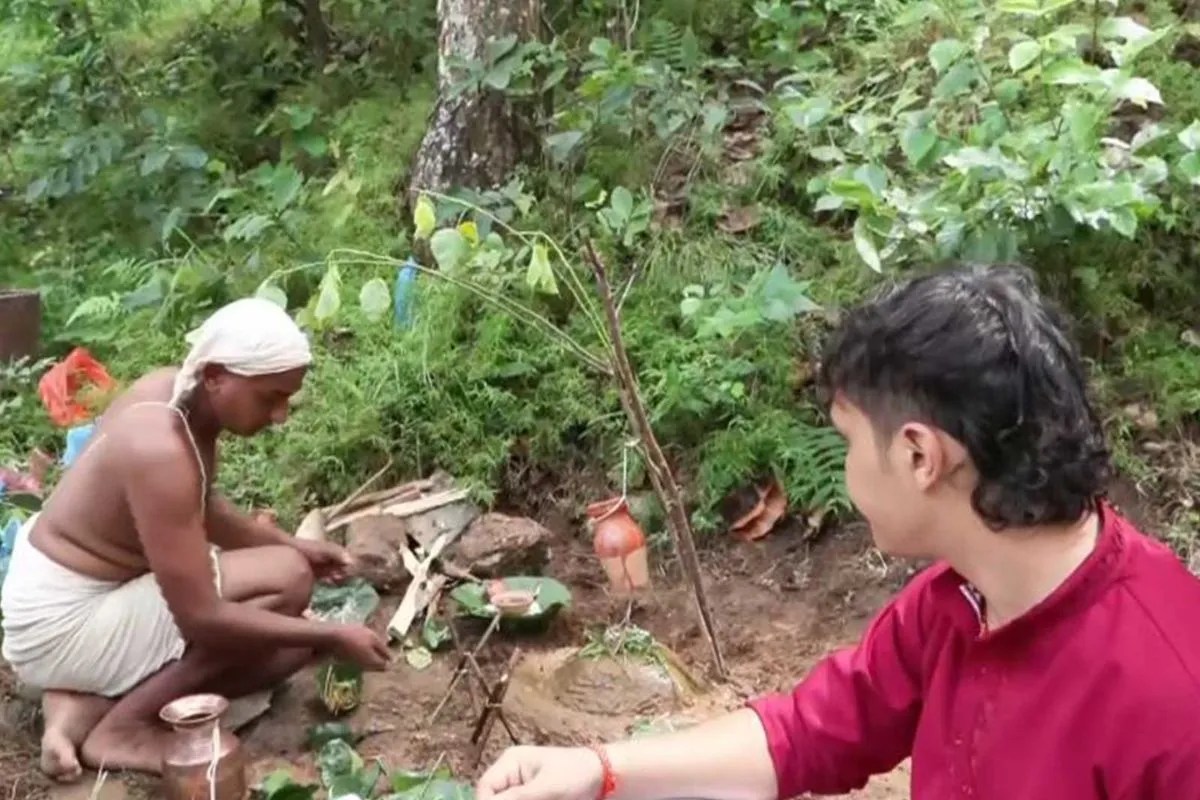
Without a pyre, without ashes to gather in an earthen pot, without a physical form to touch for one last time, the rituals began anyway. Priests chanted ancient verses meant to comfort the bereaved and liberate the departed spirit. Incense drifted into the heavy air, mixing with the unmistakable scent of damp earth and unshed tears. Family members shaved their heads, donning the plain white garments of mourning, performing the sacred gestures over an empty space.
It is a profound psychological fracture—mourning a ghost while knowing the absence is entirely, brutally real.
This is the hidden cost of natural disasters and riverine accidents that haunt the rural valleys of South Asia year after year. When monsoon rains swell the waterways or sudden currents shift along the riverbanks, thousands of families are forced into this exact kind of liminal suffering. They do not just lose a provider or a companion; they lose the closure of a proper farewell.
The grass grows back. The livestock still need to be fed. The surviving members of that household will wake up tomorrow, and the day after that, forced to navigate a world that has been permanently altered by the caprice of nature. They will walk past that same riverbank, feeling the ghost of a shared past whispering in the reeds.
There are no tidy conclusions here. No policy fix can entirely tame a wild river, and no philosophical treatise can ease the hollow ache of an empty pyre. There is only the quiet endurance of people who must bury their loved ones in their hearts, trusting that memory is sometimes the only shroud we are given.