Smoke does not merely rise in a war zone; it clings. It settles into the wool of coats, coats the interior of lungs, and leaves a metallic tang on the tongue that water cannot wash away. When you stand on the precipice of a conflict that has outlived generations, the air itself feels heavy with old griefs and calculated words.
Thousands of miles away from the shattered concrete of Gaza, leaders speak into polished microphones. Their voices are broadcasted across flat screens in quiet cafes, in sterile government offices, and in living rooms where children play among toys they do not yet understand. Words are cheap when your ceiling is intact. But words also carry weight, especially when they come from Ankara.
Turkish President Recep Tayyip Erdogan stepped before the microphones recently and offered a perspective that sent tremors through international diplomatic corridors. He looked at the devastation unfolding in the Middle East and drew a sharp line in the sand. He stated plainly that Hamas acted with sincerity in its operations, while simultaneously directing fierce condemnation toward the relentless military strikes launched by Israel.
To understand why this statement matters, we must step outside the clean briefing rooms of diplomacy and look at the ground level where ordinary human beings try to survive.
Imagine walking down a street where every second building is a hollowed-out skeleton. A mother named Leila—a hypothetical composite drawn from dozens of real testimonies—walks this path daily in Gaza. She carries a plastic jug, searching for water that may or may not be clean enough to keep her youngest child from falling ill. To Leila, the abstract political calculations happening in foreign capitals feel like distant thunderstorms. She does not care about geopolitical leverage, strategic postures, or diplomatic maneuvering. She cares about the next incoming whistle and whether the wall behind her will hold.
When international figures like Erdogan praise the sincerity of militant factions, Leila feels a jarring disconnect. In her world, sincerity is measured by the safety of a child sleeping through the night without the terror of an airstrike. Yet, from the perspective of Turkish political strategy, Erdogan's rhetoric serves a very specific, calculated audience.
To unpack this, we have to look at how regional power dynamics operate. Turkey has long positioned itself as a vocal champion for the Palestinian cause, balancing a complex tightrope between Western alliances, regional trade, and domestic political sentiment. For millions of conservative voters inside Turkey, solidarity with Palestine is not a policy option; it is a moral imperative rooted in shared religious and cultural identity. By labeling Hamas as sincere rather than merely tactical, Erdogan speaks directly to that domestic base. He projects an image of unyielding moral clarity on the international stage.
At the exact same time, his criticism of Israeli military tactics strikes a chord with a global community growing increasingly exhausted by the mounting civilian death toll. Hospitals reduced to ash. Schools turned into makeshift shelters overflowing past capacity. Entire family trees erased in a single flash of light. These are not statistics on a spreadsheet. They are human lives extinguished, and pointing out the brutality of those strikes is a baseline humanitarian observation.
Yet, diplomacy is rarely about a single truth. It is a mosaic of competing narratives, each side weaponizing history to justify the present.
Consider the historical weight that hangs over every single conversation in this region. The trauma of the Holocaust, the displacement of the Nakba, decades of failed peace accords, broken promises, intifadas, blockades, and walls. When you inherit a century of mutual hatred, trust becomes a luxury nobody can afford. Every action is viewed through the darkest possible lens. If Israel strikes a residential block, it defends its borders. If Hamas launches rockets, it wages a liberation struggle to its supporters and commits terrorism to its enemies.
Language becomes a battlefield long before the first bullet is fired.
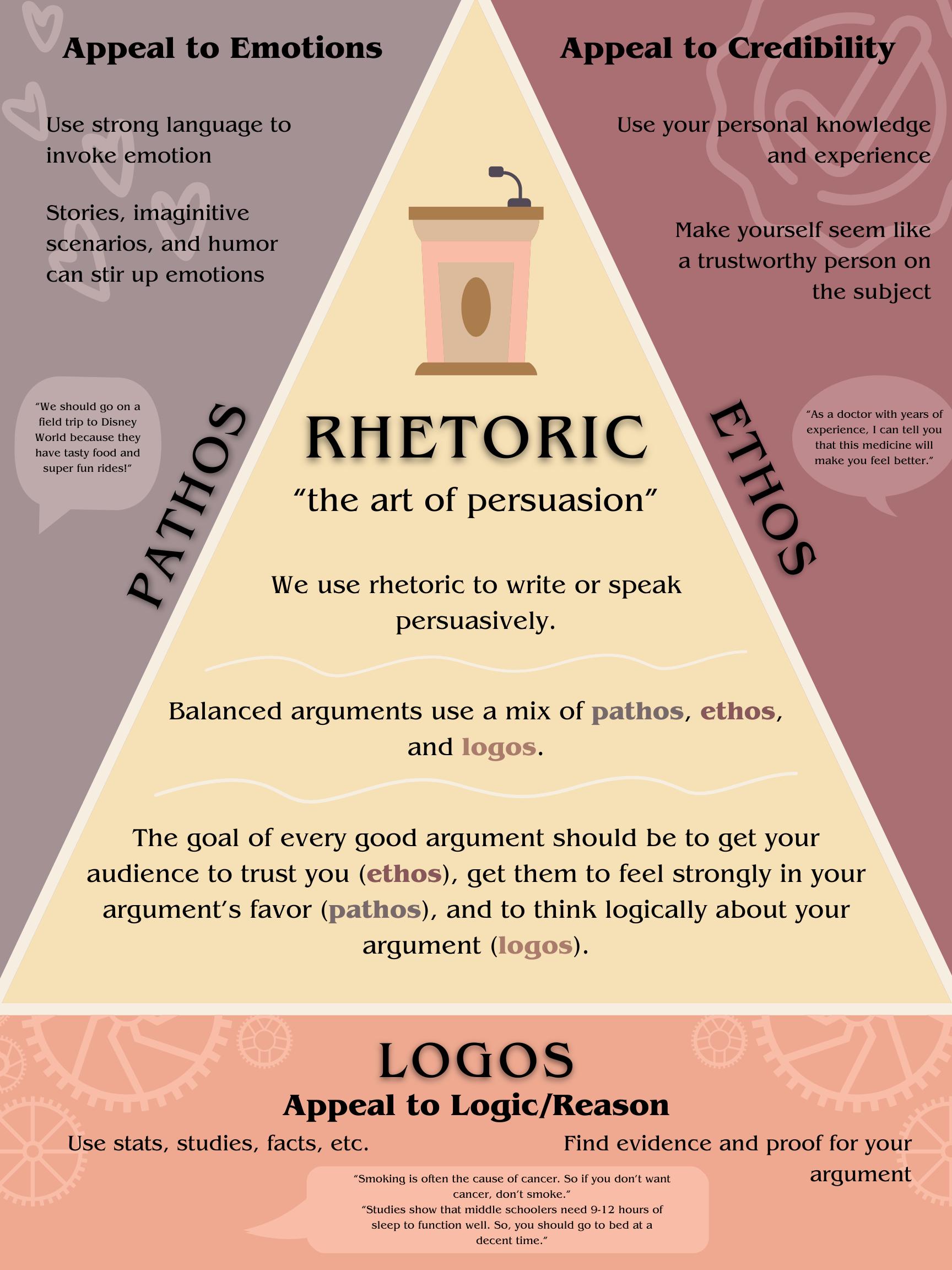
When Erdogan calls Hamas sincere, he deliberately reframes a designated terrorist organization into a national liberation movement in the eyes of his followers. He strips away the context of civilian targeting and elevates the ideological devotion of the fighters. This linguistic choice infuriates Israeli leadership and alienates Western allies who view Hamas through the unyielding prism of October 7 and the subsequent cycle of vengeance.
And that is where the tragedy compounds. Every speech, every press conference, and every diplomatic snub digs the trench a little deeper.
Stand in a hospital corridor in Tel Aviv, where families wait anxiously for news of hostages dragged into the dark subterranean tunnels of Gaza. Their pain is just as raw, just as blinding, and just as human. A father there, watching the news ticker scroll across the screen, hears foreign leaders debating the sincerity of the men who tore his family apart. To him, words from Ankara are not a defense of justice; they are a slap in the face. They erase the horror of kidnapped grandmothers and murdered teenagers. They reduce human suffering to a chess move.
This is the central friction of our modern geopolitical reality. We live in a world hyper-connected by fiber-optic cables and satellite feeds, yet utterly disconnected from one another's pain. We consume news through algorithmic filters that feed our preexisting biases. If you start from the premise that one side is purely evil, any statement acknowledging their humanity or tactical motivation feels like betrayal. If you start from the premise that occupation is the root of all evil, any critique of armed resistance feels like collaboration with the oppressor.
The truth, as it almost always does, sits bleeding in the dirt between these two absolute narratives.
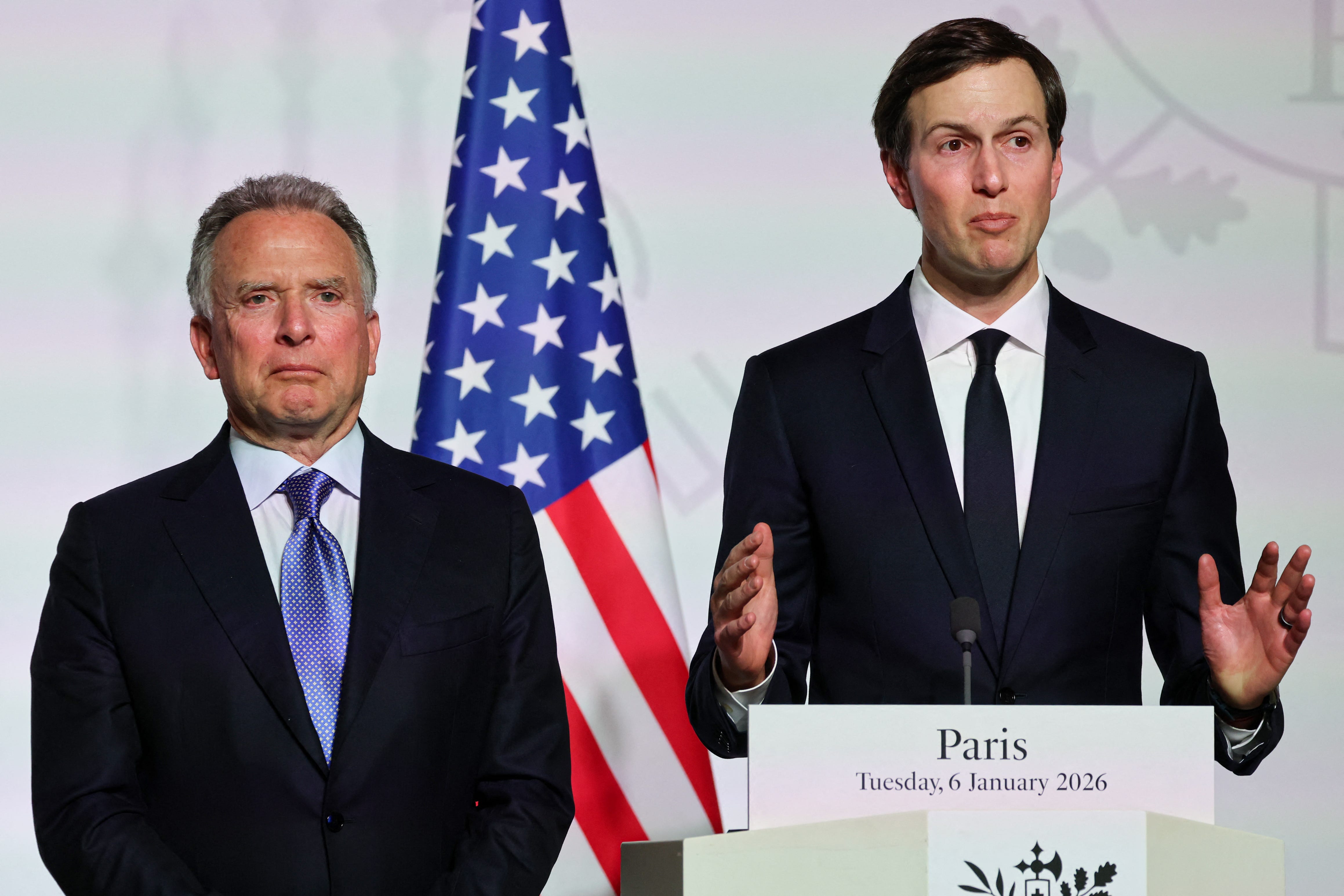
Wars do not end because politicians give stirring speeches at podiums adorned with flags. They end when the cost of continuing becomes higher than the cost of compromise. But right now, neither side sees a path to compromise that does not look like surrender. Rhetoric like Erdogan's hardens resolve on all sides. It offers comfort to those who feel abandoned by the international community, while simultaneously providing ammunition to those who argue that peace is impossible because the other side refuses to acknowledge their humanity.
The smoke outside Leila's window thickens as afternoon fades into evening. She doesn't know what Erdogan said on television today, and frankly, it wouldn't put bread on her table or medicine in her cabinet even if she did. She pulls her remaining children a little closer, listening to the low, terrifying hum of a drone circling overhead, waiting for the dark.