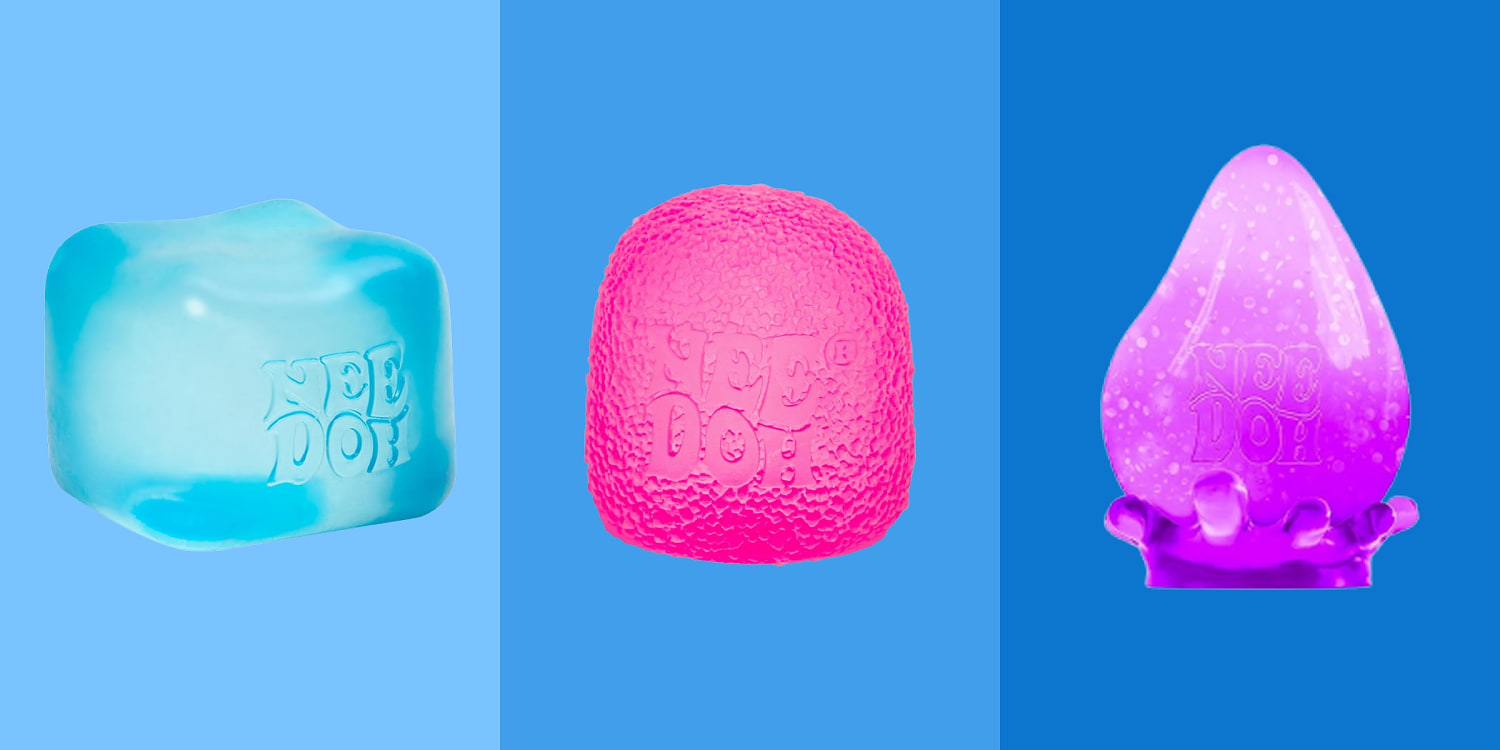
You’ve seen them on your feed. A perfectly round, brightly colored orb being kneaded by manicured fingers. Or maybe it’s the "Nice Cube" version, stretched until it looks like a piece of taffy, only to snap back to its original shape. NeeDoh has become the latest "it" toy of 2026, creating a frenzy that mirrors the mania once reserved for high-end collectibles like Labubu. But this isn't just about fun. The obsession has turned into a legal nightmare.
If you’re wondering why everyone is suddenly hunting for these dough-filled stress balls, you’re looking at a classic case of manufactured scarcity meeting genuine sensory need. But before you rush to the store or pay inflated reseller prices, you need to know about the serious safety concerns currently shaking the company to its core.
The Psychology of the Squish
Why are people obsessed? It’s simple. We live in a world that feels increasingly out of control. For both kids and adults, NeeDoh provides something rare: agency. You can pull it, smash it, and twist it, and it always—always—returns to its original form.
Experts often point to the "slow-burn" nature of this trend. Unlike products that explode overnight through a single marketing campaign, these squishies grew through millions of independent videos. Creators realized that the tactile feedback provided a genuine grounding effect. It’s a sensory anchor. When you're spiraling, the repetitive motion of kneading a polymer-filled ball can actually help pull you back into the present moment.
However, popularity has a dark side. When something goes viral, the barrier to entry drops and the market gets flooded. Collectors chase the rarer shapes, driving demand up. Just like the Labubu blind-box craze, the "hunt" for a specific color or character became part of the dopamine hit.
The Lawsuit That Should Give You Pause
You might have missed the fine print while scrolling through TikTok. A major class-action lawsuit filed in California in July 2026 alleges that Schylling Inc., the maker of NeeDoh, ignored evidence that these toys could be dangerous.
The core of the issue is heat. The lawsuit claims that when these toys are exposed to high temperatures—whether from sunlight, a hot car, or the downright dangerous trend of microwaving them—the internal filling can reach temperatures hot enough to cause second- and third-degree burns.
Here’s the reality: The outer shell of these toys is designed to be squishy, not heat-conductive. This creates a terrifying scenario. The outside might feel cool to the touch, while the internal gel is essentially a molten liquid. If the shell ruptures—which, let's be honest, happens easily with toys meant to be squeezed—that hot substance can stick to skin, trapping heat and causing severe, permanent injury.
The complaint alleges that Schylling was aware of these risks long before they updated their warnings. While they did eventually add a note about not microwaving the toys, the lawsuit argues this was "too little, too late" and failed to explain the catastrophic nature of the danger.
Sorting Fact from Fiction
Don't believe everything you hear about these toys. Here is what you need to keep in mind if you already have one in your house:
- Microwaving is never okay. It’s a dangerous trend. If you see it on social media, ignore it.
- Heat is the enemy. Even if you don't microwave them, leaving them in a hot car during the summer or on a windowsill in direct sunlight is a recipe for disaster.
- Inspect your gear. If you see even a small tear or a "bubble" in the outer shell, throw it away. Do not try to repair it. The sticky contents are not worth the risk of a leak or a sudden burst.
- Know the ingredients. The filling is generally a polymer-based gel. While usually non-toxic, it is not meant to be ingested or to contact sensitive areas like your eyes.
Managing Your Collection Safely
If you're a collector, you're probably not going to stop just because of a lawsuit. That’s your choice. But stop treating these like indestructible objects. They are mass-produced consumer goods made from flexible plastics. They have a lifespan.
If you have kids, supervise them. If you use them for your own stress relief, be mindful of where you leave them. Don't leave them where they can bake in the sun. If you’re a parent, this is a perfect opportunity to teach kids about product safety. Just because a toy is marketed as a "fidget" or "sensory" tool doesn't mean it’s invincible.
The hype cycle will move on. Eventually, the next big thing will replace the NeeDoh, and these little globes will end up in a drawer or a landfill. Until then, keep them cool, keep them intact, and maybe think twice before you pay a reseller double the price for a toy that’s currently the subject of a multi-million dollar legal fight. You don't need a viral squishy to stay grounded.