The preservation of ancient structural assets requires a rigorous economic framework, moving past simple philanthropic gestures into structured public-private alignment. When a private patron commits significant capital to a single historical monument within an archaeological zone, the transaction alters the risk profile, maintenance cadence, and revenue velocity of the surrounding site. The recent financial injection into Pompeii provides a clear case study in how heritage management transitions from state-funded triage to targeted asset investment.
To understand the mechanics of this intervention, one must examine the baseline cost function of ancient masonry. Unprotected tufa, opus reticulatum, and decorative fresco panels degrade along a predictable entropic curve driven by moisture infiltration, thermal fluctuation, and biological growth. State budgets typically allocate funds reactively, addressing catastrophic structural failures after they occur. This reactive stance maximizes long-term costs because deferred maintenance compounds material decay. A designated capital injection shifts the asset management strategy from reactive remediation to preventive preservation, altering the underlying depreciation rate of the structure.
Private capital introduction changes the operational variables across three distinct dimensions. First, it compresses the execution timeline. State procurement cycles involve protracted bureaucratic oversight, whereas private sponsors often streamline contracting for specialized artisans and conservation scientists. Second, it shifts risk allocation. Private entities frequently tie disbursement milestones to performance metrics, ensuring that conservation teams meet specific structural stability targets before receiving subsequent tranches of funding. Third, it generates localized signaling value. A pristine, high-status restoration within a broader archaeological park increases visitor willingness-to-pay, lifting per-capita yield metrics across the entire commercial footprint of the site.
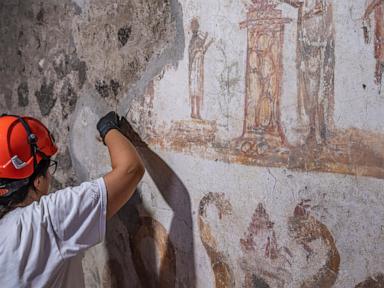
The House of the Gilded Cups or similar elite domus structures present unique structural challenges that standard historical analysis often overlooks. These properties combine large open-air atriums with delicate, microclimate-sensitive interior chambers. Water management is the primary operational bottleneck. Without an intact impluvium drainage system and properly graded roofs, seasonal rainfall undermines foundational footings and saturates wall plaster, causing salts to crystallize within the matrix of the brick and mortar. The capital allocation must first solve sub-surface hydrology before any aesthetic restoration of wall paintings or mosaic floors can occur. Treating the symptoms of decay without addressing moisture transport yields a negative return on investment, as the underlying substrate continues to fail.
Integrating private funds into public heritage infrastructure requires navigating a complex regulatory landscape. European archaeological ministries enforce strict heritage protection laws that limit material substitution and dictate exact conservation methodologies. Consequently, a sponsor cannot simply apply modern industrial sealants or structural epoxides to speed up the work. Every intervention must be reversible and chemically compatible with Roman construction binders. This constraint inflates labor costs, as artisan-level masonry and specialized chemical analysis consume the majority of the budget. The $1.6 million figure is not an arbitrary aesthetic budget; it represents the precise cost vector required to arrest structural failure while adhering to non-destructive conservation protocols.
Visitor throughput represents another critical variable in the preservation equation. High-density tourism introduces kinetic friction, airborne humidity, and particulate accumulation that accelerate the degradation of fragile interior surfaces. When a prominent domus undergoes restoration and subsequent reopening, it acts as a localized tourist magnet. Without controlled access engineering, such as automated humidity sensors, restricted visitor caps, and elevated viewing walkways, the newly restored asset faces accelerated wear-and-tear. Successful asset management must therefore pair restoration capital with visitor-flow management systems to protect the long-term integrity of the physical investment.
Strategic forecasting for archaeological parks indicates a permanent shift toward decentralized funding models. State treasuries across the Mediterranean face competing demands for infrastructure and social spending, leaving cultural heritage budgets structurally constrained. Relying on state allocations alone guarantees a managed decline of unprotected structures. Sites that successfully attract and integrate private sponsorship will maintain high-value inventory that commands premium tourist yields, while underfunded sectors of the same parks slowly return to unexcavated status. Future viability depends on creating standardized legal frameworks for private capital deployment that protect public ownership while granting sponsors verifiable reputational returns and operational transparency.