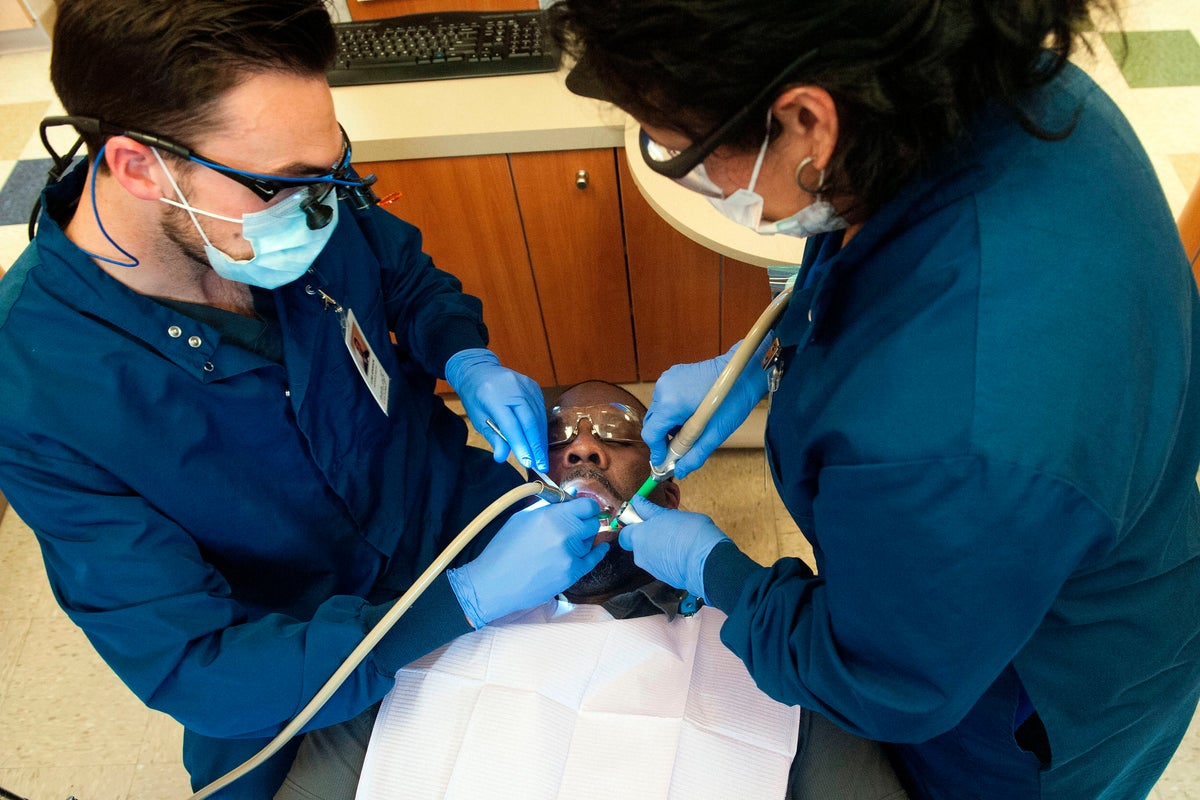
The traditional restorative model for dental caries relies on an invasive mechanical replacement cycle: rotating burs excise both pathological and healthy tooth structure to create mechanical retention forms for amalgam or composite resins. This subtractive intervention inevitably initiates the restorative death spiral, where initial micro-preparations expand over decades through recurrent decay and secondary replacements until pulp death requires endodontic therapy or extraction. Resin infiltration technology, specifically using low-viscosity light-cured dimethacrylate resins, halts proximal and smooth-surface non-cavitated lesions without mechanical reduction. By replacing the mineral loss of an incipient carious lesion with a polymer matrix matching the refractive index of enamel, clinicians arrest demineralization via capillary action. Analyzing this shift requires moving past clinical novelty to evaluate how material science alters chairside economics, patient compliance vectors, and practice margin structures.
The Mechanics of Capillary Penetration
Understanding the clinical viability of liquid resin methods requires deconstructing the subsurface demineralization profile of an incipient lesion. Enamel demineralization creates a porous body of approximately twenty to fifty percent volume porosity beneath an intact or semi-intact surface layer measuring roughly thirty to one hundred micrometers thick. Traditional preventive approaches rely on topical fluorides and dietary modifications to promote remineralization, a process limited by diffusion kinetics and patient compliance.
Resin infiltration bypasses diffusion limits by altering the physical transport mechanics of the lesion. The procedure executes across three strict operational steps:
- Surface Conditioning: Hydrochloric acid gel (typically fifteen percent) is applied for two minutes to erode the mineralized surface layer, exposing the underlying porous body of the lesion.
- Desiccation: Absolute ethanol is applied to displace water from the micropores, preparing the capillary network for a hydrophobic resin monomer.
- Capillary Infiltration: Triethylene glycol dimethacrylate (TEGDMA) based resin is applied, drawing into the lesion via capillary action within three minutes, followed by light polymerization.
The clinical result is twofold. First, the resin blocks the diffusion pathways for acids and metabolic byproducts produced by cariogenic bacteria, starving the lesion of its demineralization substrate. Second, the polymerized matrix reinforces the fragile porous enamel skeleton, preventing structural collapse under masticatory load. The mechanical integrity of the tooth remains preserved because zero sound tooth structure is sacrificed.
The Economic Cost Function of Subtractive Versus Additive Interventions
The financial architecture of a dental practice is governed by time-per-chair and the unit economics of restorative materials. Traditional class II composite restorations demand significant practitioner time dedicated to cavity preparation, matrix band placement, contouring, and occlusal adjustment. This process generates high fixed costs per procedure tied directly to operator labor and procedural complexity.
Resin infiltration alters this cost function by compressing chairside time and shifting the skill threshold required for execution. When evaluating the economic throughput of a practice adopting non-invasive liquid methods, three distinct variables dictate the margin profile:
- Chairside Duration: Infiltration protocols reduce clinical execution time by roughly forty to sixty percent compared to conventional mechanical preparations. This compression increases daily patient volume capacity without expanding physical operatory footprints.
- Consumable Cost: While specialized etchants and low-viscosity resins carry a higher unit material cost than standard etchants, the elimination of high-speed bur usage, matrix systems, and multi-shade composite inventories offsets the input variance.
- Long-Term Lifecycle Value: The restoration replacement cycle represents a hidden friction in dental economics. Every mechanical restoration fails eventually due to marginal breakdown or fatigue. By arresting lesions before cavitation occurs, practices eliminate the downstream costs associated with crown and root canal therapy, shifting patient lifetime value toward maintenance rather than crisis management.
Despite these advantages, the adoption curve faces friction from insurance reimbursement structures. Most third-party payers historically tie reimbursement codes to mechanical intervention. When a procedure requires drilling and filling, a specific code applies. Non-invasive resin infiltration often falls into an ambiguous preventive or diagnostic gray zone, forcing practices to either absorb the cost or transition patients to fee-for-service models for these specific interventions.
Patient Acquisition and Compliance Vectors
Case acceptance for dental procedures is inversely proportional to patient perceived pain, discomfort, and the threat of the dental drill. Traditional restorative dentistry triggers anxiety driven by anticipated pain from local anesthesia injection and the sensory disruption of rotary instrumentation. Liquid resin methods alter this psychological barrier entirely.
By eliminating local anesthesia injections and mechanical cutting, the clinical encounter shifts from a surgical procedure to a preventive maintenance visit. This alteration in the patient experience modifies conversion metrics across three distinct behavioral stages:
- Early Detection Capture: Patients with Class I or early interproximal radiographic lesions frequently postpone treatment when advised to "watch and wait" until the decay reaches a restorative threshold. Liquid treatment allows intervention at the moment of detection, capturing revenue from lesions that otherwise degrade unaddressed.
- Anxiety Mitigation: The removal of needles and burs widens the addressable market of compliant patients, particularly among pediatric cohorts and dental phobics who routinely default on recall appointments.
- Efficacy Demonstration: Because resin infiltration alters the optical properties of the tooth, white spot lesions and early interproximal decalcifications often disappear immediately as the refractive index matches sound enamel. This visual transformation provides immediate, tangible proof of efficacy, drastically improving patient referrals and internal practice growth.
Limitations and Boundary Conditions
No dental material offers universal utility. Resin infiltration operates under strict physical and biological constraints that dictate its boundary conditions. Misapplication leads to clinical failure and erosion of clinician trust.
The primary limitation rests on lesion depth penetration. Infiltration is structurally constrained to lesions confined to the enamel and the outer third of the dentin. Once caries has transgressed the dentinoenamel junction and entered deep dentin, capillary action alone is insufficient to arrest the microbial front, and mechanical intervention becomes mandatory. Radiographically, this boundary corresponds to lesions extending no further than the outer third of the dentin layer.
Furthermore, operator technique sensitivity remains high despite the perceived simplicity of the procedure. Inadequate isolation using a rubber dam or specialized liquid dam leads to moisture contamination during the ethanol drying phase, preventing complete resin penetration. Unfilled micropores then serve as trapped reservoirs for residual bacteria, accelerating internal decay beneath a seemingly sealed surface.
Aesthetic complications also arise in anterior applications. If the clinician fails to completely desiccate the lesion, or if the resin fails to fully penetrate the opaque demineralized matrix, the treated area can retain an unappealing chalky appearance, requiring microabrasion or restorative masking to correct.
Strategic Deployment Blueprint for Practice Integration
Transitioning a clinical workflow toward non-invasive liquid stabilization requires a systematic operational overhaul rather than a simple product substitution. Practices must restructure diagnostic thresholds, staff training paradigms, and fee structures to capture the economic upside of micro-invasive dentistry.
- Diagnostic Calibration: Upgrade radiographic protocols to utilize bitewing imaging with enhanced contrast and digital transillumination. Clinicians must identify interproximal lesions at the E1 to E2 stage before structural cavitation compromises the enamel shell.
- Protocol Standardization: Establish a strict sequence for isolation and material handling. Because moisture control dictates the success of capillary penetration, dental assistants must master the application of rubber dam systems or chemical barriers to eliminate salivary contamination.
- Tiered Fee Structuring: Develop transparent out-of-pocket pricing models for preventative resin infiltration that bypass restrictive insurance fee schedules. Position the service as an advanced preservation fee that prevents future, high-cost restorative procedures.
- Recare Integration: Target existing patient cohorts currently designated for the "watch and wait" protocol. Audit historical bitewing series to identify stalled or slowly progressing interproximal lesions, converting dormant diagnostic data into immediate preventative treatment appointments.