You have probably seen the option at online checkout counters to split a pair of shoes or a new mattress into four easy installments. It is convenient. But that same financing model is creeping directly into the rental market, and it is catching the eye of federal lawmakers who worry it is a financial trap hiding behind slick branding.
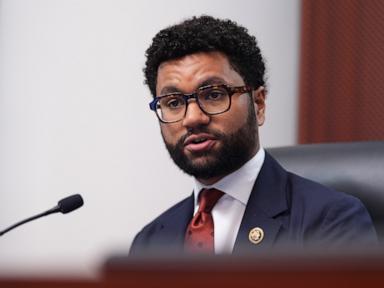
Florida Representative Maxwell Frost sent a letter to the Consumer Financial Protection Bureau (CFPB) urging the federal watchdog to investigate the fast-growing "rent now, pay later" (RNPL) industry. Frost is raising alarms that these services are hitting financially strained tenants with hidden costs while mimicking some of the worst traits of predatory payday loans.
The reality under the hood of these platforms shows why Washington is suddenly paying attention.
The Problem With Splitting Your Rent Into Four Payments
The basic premise of rent now, pay later sounds harmless enough. Companies like Flex and Livble pitch themselves as cash-flow managers. If your rent is $1,200 a month but your biweekly paychecks do not line up perfectly with the first of the month, these services step in. They pay your landlord on time, and you pay the tech platform back in smaller chunks over the course of those four weeks.
It sounds like a lifesaver for anyone living paycheck to paycheck. But it is not a free public service.
Many of these platforms charge monthly membership fees or structure their services with finance charges that add up quickly. A report by advocacy groups Protect Borrowers and Toward Justice highlighted that some users pay upwards of $50 a month just to use the service to split their rent.
Break down the math on a $50 monthly fee for a $1,000 rent advancement. When you calculate that fee as an annualized percentage rate (APR) on a short-term advance, the cost looks less like a friendly tech app and much more like traditional short-term financing. Representative Frost noted that while these firms market themselves as innovative solutions that can boost credit scores, they frequently look like repackaged payday loans.
Personal Debt In Focus
Politicians do not usually have personal experience with the niche financial products they try to regulate. Frost is a rare exception. Elected in 2022 as the first Gen Z member of Congress at just 25 years old, he has been open about his struggles with housing costs in Washington, D.C.
Frost admitted that he used standard buy now, pay later apps heavily to furnish his first apartment, a move that landed him deep in debt. He only managed to dig himself out because of his $174,000 congressional salary. He knows firsthand how easy it is to slide down the installment debt slope, and most renters do not have a federal government salary to bail them out.
The push for a CFPB investigation is not happening in a vacuum. It comes amid a broader clash over alternative financing and federal oversight.
A Regulatory Vacuum In Washington
If you are expecting the CFPB to crack down tomorrow, do not hold your breath. Under the second Trump administration, Acting Director Russell Vought has actively scaled back the bureau's enforcement actions. In May 2025, the CFPB officially withdrew an interpretive rule that would have regulated standard buy now, pay later providers under the Truth in Lending Act, essentially treating them like credit card issuers.
With the federal government signaling a hands-off approach to fintech apps, RNPL companies are operating in a highly favorable regulatory environment. Frost acknowledged this political reality, stating he is not expecting immediate action from the current administration. Instead, he views this formal inquiry as a foundational step to gather data and draft targeted legislation if Democrats regain control of Congress.
Other prominent lawmakers are pushing back against similar rent-tech ecosystems. Senator Elizabeth Warren pressed Bilt Rewards over consumer complaints regarding delayed, lost, or rejected rent payments during its bank partner transition. While Bilt operates as a rewards and credit platform rather than a pure short-term lender like Flex, the broader political narrative is clear: Washington is growing deeply skeptical of third-party apps embedding themselves between tenants and landlords.
Are Landlords Pushing These Services On Purpose
One of the more concerning elements Frost raised in his letter is the relationship between property managers and RNPL tech firms. Landlords love getting paid on the first of the month. It keeps their cash flow predictable and cuts down on the administrative headache of chasing late payments.
Because of this, many corporate landlords actively partner with RNPL platforms, introducing them to tenants during the lease-signing process or embedding the option directly into the building's online tenant portal.
This raises a massive consumer choice issue. Are landlords gently steering vulnerable, cash-strapped tenants toward high-fee financing models just so the property management company can derisk its own balance sheet? If a tenant feels forced or heavily encouraged to sign up for an installment app to keep their apartment, they are taking on personal financial risk to guarantee a corporation's revenue stream.
Protecting Your Finances Without Apps
If you are struggling to make rent on the first of the month, turning to a tech app that charges a recurring fee should be your absolute last resort. You have better, safer paths to manage your housing costs.
- Request a change in your rent due date. Most corporate property managers have fixed rules, but private landlords are often willing to adjust your due date to match your paycheck schedule if you ask nicely and have a history of paying reliably.
- Build a localized emergency fund. Saving even half a month's rent in a separate account acts as a permanent buffer, completely removing the need to pay an app $50 a month just to move money around.
- Look into local rental assistance programs. Many municipal governments and local non-profits offer short-term, interest-free emergency grants for renters facing temporary cash crunches.
Relying on a third-party app to pay for your basic shelter is a precarious way to live. The moment you miss a payment to the app, you risk compounding fees, damage to your credit report, or losing access to the service entirely, leaving you right back where you started—but with less money in your pocket.