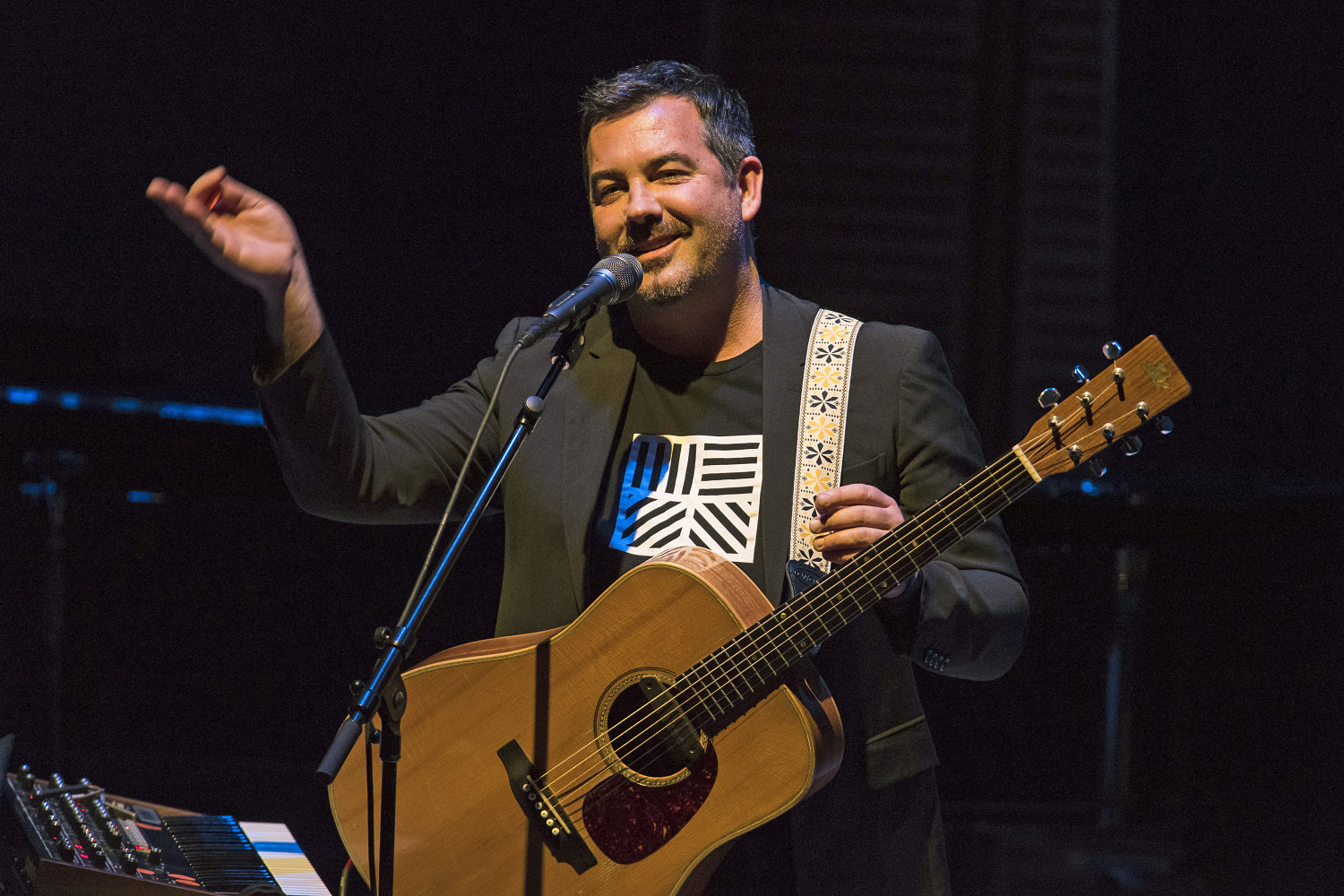
When the news broke that singer-songwriter and composer Duncan Sheik had been hospitalized in critical condition, it sent a wave of shock through the music and theater communities. Family members shared a brief statement via social media detailing that he was receiving medical care, choosing to keep specific medical details private. Fans immediately flooded comment sections with memories of his unmistakable voice and profound impact on alternative music. Tragically, the situation turned, leading to an outpouring of grief across the entertainment world as his career and lasting cultural footprint were revisited.
Most people remember him for a single ubiquitous track from the late nineties. But reducing Duncan Sheik to a one-hit wonder misses the entire trajectory of an artist who quietly shaped modern acoustic pop and reinvented contemporary musical theater. Also making news in related news: What Happens When the Woman Who Teaches Toddlers to Say "More" Answers a Million-Dollar Call.
The Accidental Anthem of the Nineties
In 1996, Sheik released his self-titled debut album. Anchored by the melancholic, soaring melodies of "Barely Breathing," the record struck a chord with a public hungry for introspective, guitar-driven songwriting.
The track spent an astonishing 55 weeks on the Billboard Hot 100 chart. It earned him a Grammy nomination for Best Male Pop Vocal Performance alongside legends like Elton John and Babyface. Yet, Sheik never quite fit the mold of a conventional pop star. His background in semiotics at Brown University and his sophisticated understanding of chord progressions gave his music an intellectual weight that set him apart from standard radio fare. Further insights on this are covered by Reuters.
He didn't chase the fleeting trends of late-night commercial radio. Instead, he followed idiosyncratic artistic impulses, releasing atmospheric, acoustic-driven follow-ups like Phantom Moon. He preferred subtle craftsmanship over flashy stadium spectacles.
Reinventing Broadway with Spring Awakening
While many nineties hitmakers faded into nostalgia tours, Sheik executed one of the most successful second acts in modern entertainment. He transitioned into musical theater, a move that changed the sound of Broadway forever.
In 2006, his rock musical Spring Awakening opened to critical acclaim. Collaborating with playwright Steven Sater, Sheik infused nineteenth-century German source material with modern alt-rock sensibilities. The score bridged a massive cultural gap between teenage angst and theatrical tradition.
The production won eight Tony Awards, including Best Musical, and secured Sheik wins for Best Original Score and Best Orchestrations. It launched the careers of stars like Lea Michele and Jonathan Groff, proving that theatrical music could sound like contemporary indie rock without losing its dramatic punch.
A Quiet, Lasting Legacy
Beyond his commercial peaks, Sheik kept writing, composing, and collaborating across diverse mediums. He scored films, composed for Shakespearean productions, and released ambient, textural solo work right up into the 2020s. He remained an artist's artist—respected deeply by peers in both pop and theater circles.
When news of his critical hospitalization emerged, artists ranging from Lizzo to Broadway veterans shared words of love, underscoring how deeply his work resonated behind the scenes. His sudden passing marked the loss of a rare voice that gracefully navigated two entirely different creative worlds. The melodies he left behind continue to echo through the hearts of anyone who ever felt the bittersweet pang of a great nineties ballad.