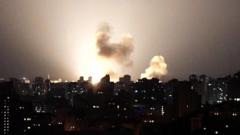
Another ship is burning in the Red Sea. A commercial tanker took a direct hit from an unidentified projectile roughly 63 nautical miles west of Yanbu, Saudi Arabia, triggering a fire on its main deck.
The United Kingdom Maritime Trade Operations confirmed the strike. Fortunately, the crew is safe, and nobody reported an immediate environmental disaster. But don't let the lack of casualties fool you. This incident points to a fast-deteriorating security reality across one of the most critical maritime choke points on Earth.
The Strategic Importance of Yanbu
Why does an attack 63 miles off Yanbu matter so much? Because Yanbu isn't just another port. It serves as Saudi Arabia's premier oil export terminal on the Red Sea.
For years, oil moved heavily through the Strait of Hormuz. But as geopolitical tensions and blockades closed or restricted those traditional Persian Gulf pathways, energy companies pivoted hard toward Red Sea routes. They thought Yanbu offered a safer exit strategy. They thought wrong.
When a vital corridor like this faces constant targeting, alternative routes evaporate. Shippers are running out of safe water. Insurance premiums for hulls transiting the region are skyrocketing, and crew reluctance to sail these waters is hitting an all-time high.
Who Is Behind the Red Sea Projectile Strikes?
Official reports stop short of naming the culprit, labeling it an "unknown projectile". Security analysts, however, aren't guessing in the dark.
Yemen's Iran-aligned Houthi movement recently declared a formal blockade against Saudi-linked vessels in the region. The group has stepped up operations, launching ballistic missiles and drones against various military and commercial targets. They hit a Saudi military landing ship near Mocha earlier in August, and Aramco facilities near Yanbu faced drone and missile claims.
The pattern is obvious. Whether an anonymous shell or a claimed missile strike, the risk profile for anyone moving cargo near the Bab al-Mandab Strait and up the Red Sea has fundamentally shifted.
What This Means for Global Supply Chains
You might think regional conflicts in the Middle East stay localized. They don't.
- Energy prices react instantly to perceived supply bottlenecks.
- Freight carriers reroute vessels around Africa, adding weeks to transit times.
- Manufacturing supply chains absorb higher fuel and insurance costs, passing them straight to consumers.
If you rely on global trade, you're paying for these security failures at the pump and on store shelves. The margin for error in international logistics is gone.
Keep a close eye on maritime advisory updates if you track commodity logistics. Monitor carrier route adjustments daily, because the timeline for safe passage through the Middle East shrinks with every strike.