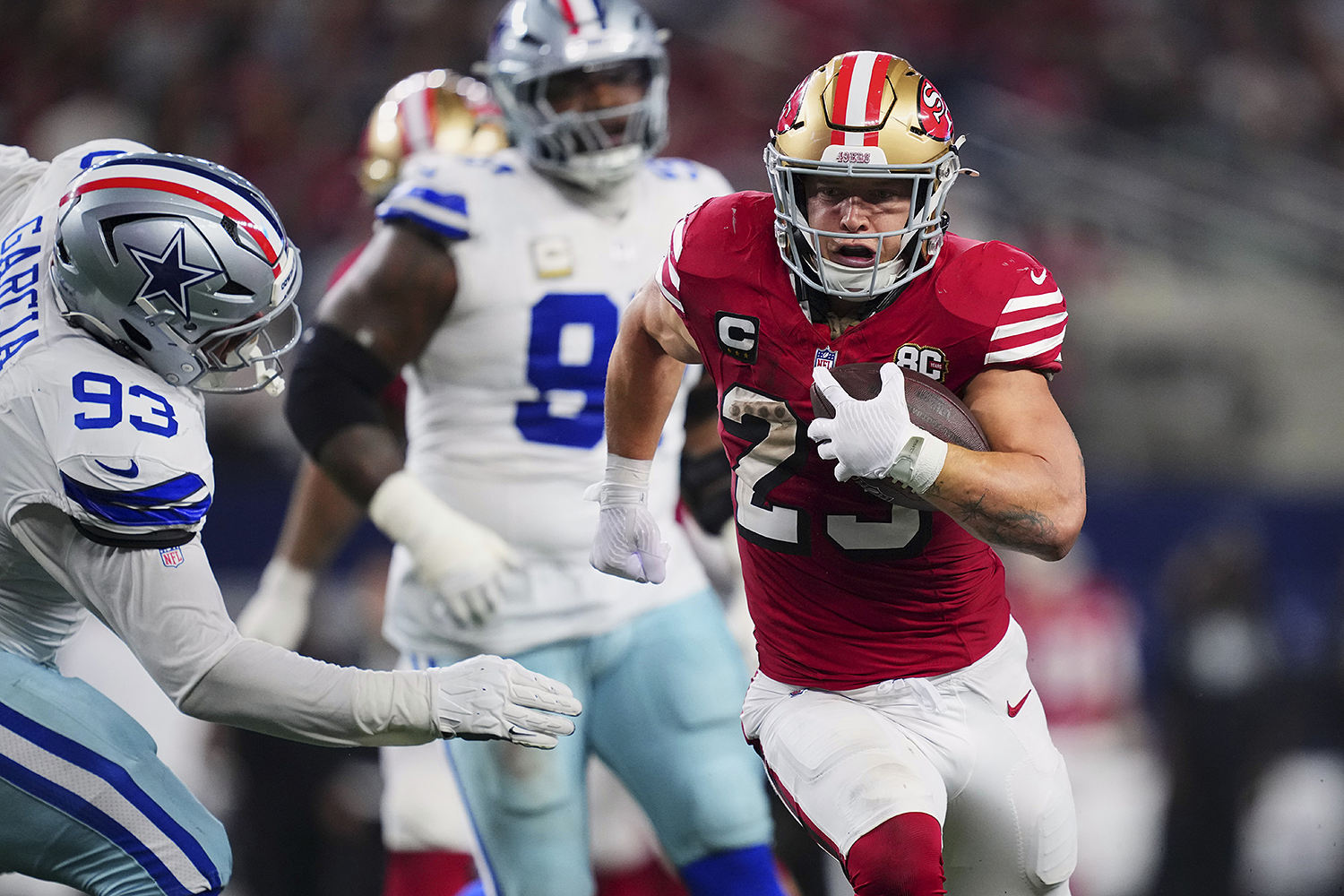
Everyone wants to talk about the scoreboard when a game turns into a track meet in Northern California, and honestly, who can blame them? Watching offenses trade haymakers in NFL Week 10 while defensive coordinators slowly lose their minds on the sideline makes for great television. Yet if you only stare at the final score from San Francisco, you're missing the actual story of what happened across the league that weekend.
Two massive injuries changed the math for the entire postseason race. That's the part nobody wants to admit right away because injury news ruins the fun of highlight-reel Sundays. Still, in pro football, availability isn't just a cliché—it's the entire ballgame. When a franchise cornerstone goes down in November, the ripple effects hit waiver wires, betting lines, and playoff seeding within hours.
Why the San Francisco Score Fest Was Both Thrilling and Alarming
High-scoring games always trick casual fans into thinking both teams played great football. They didn't. When an NFL Week 10 matchup turns into a San Francisco score fest, what you're really watching is structural breakdown on the defensive side of the ball mixed with elite play-calling taking advantage of blown coverages.
Kyle Shanahan's offensive system has spent years torturing linebackers with pre-snap motion and condensed splits. You know what's coming, the defense knows what's coming, and it still works because forcing defenders to declare their leverage before the snap creates natural running lanes and wide-open crossers over the middle. When an opponent matches that pace with explosive plays of their own, the clock stops being a factor and every possession feels like sudden death.
Here's the problem with winning shootouts in November. You can't rely on dropping 35-plus points every week once January weather hits and playoff defenses tighten their red-zone execution. Look back at recent NFC title runs—even the most explosive offenses eventually hit a week where the passing rhythm stalls, the third-down conversions dry up, and the defense has to win a 20-17 street fight.
If your secondary gives up chunk gains on basic play-action concepts during Week 10, opposing offensive coordinators are going to circle that tape in red ink for the rest of the season. They'll copy those exact route combinations until you prove you can stop them.
What the Film Actually Shows About Red-Zone Execution
Most fans look at total yardage after a wild game, which is basically empty calories. A team can march 75 yards between the twenties all afternoon and still lose if they settle for field goals once the field shrinks.
In high-scoring affairs, the separator is almost always red-zone touchdown efficiency and third-and-medium conversion rates. When defenses get tired in the fourth quarter—and you can visibly see pass rushers leaning on their knees between snaps during a 65-play defensive afternoon—discipline collapses first. Safeties bite on run fakes. Cornerbacks lose eye discipline in zone coverage. Suddenly, a routine four-yard gain turns into a 40-yard sprint down the sideline.
The Two Big Injuries That Shifted the Playoff Picture
Scoreboards fade by Tuesday morning, but medical reports linger until February. The two major injuries coming out of Week 10 didn't just hurt the teams involved—they forced front offices and coaching staffs across the conference to rethink their entire approach for the stretch run.
Injuries in mid-November hit differently than injuries in September. Early in the season, coaches still have time to tweak schemes, audition depth pieces, and survive a two-week adjustment period. By Week 10, your roster is what it is. Trade deadlines have passed, free-agent streets are picked clean, and the guy stepping into the lineup has probably been taking scout-team reps all autumn.
Losing a Primary Offensive Engine
When a team loses a top-tier offensive playmaker—whether that's a starting quarterback, an All-Pro blindside tackle, or a versatile running back who dictates coverage—you don't just lose their individual stats. You lose the gravity they create on every single snap.
Think about how defenses align against a healthy star weapon. Safeties shade to their side. Linebackers hesitate for a split second before triggering downhill. That tiny hesitation is what opens up backside throws and interior run gaps for everybody else on the roster. Take that star off the field, and suddenly the backup tight end is facing tighter coverage while the defensive front pins its ears back on early downs.
Coaches always say "next man up" at the podium because what else can they say? Nobody is going to tell reporters on a Sunday evening that their season just took a torpedo below the waterline. Yet behind closed doors, offensive coordinators spend Monday night scrapping entire sections of their playbook because the backup simply can't execute the same timing routes or protection checks.
Losing a Defensive Anchor in the Middle
A major injury to a defensive signal-caller or interior disruptor causes a completely different kind of panic. Offenses can scheme around a missing wide receiver by running more two-tight-end sets or leaning on quick screens. Defenses don't get to choose where the ball goes.
If your middle linebacker or premier edge rusher goes down in Week 10, opposing offenses will attack that exact vacancy on the very first drive of Week 11. They'll run duo right at the backup linebacker. They'll leave the replacement pass rusher unblocked on read-option looks to test his discipline. Within two quarters, a defense that looked suffocating a week earlier can start bleeding five yards per carry on first down.
What Most Fans Get Wrong About November NFL Momentum
Sports media loves the word momentum, mostly because it fills airtime on Monday morning debate shows. A team wins a wild shootout, and suddenly they're "unstoppable." Another team suffers a key injury, and pundits immediately write their obituary.
Both reactions miss how the NFL actually works down the stretch.
November football is a war of attrition, not a beauty contest. The teams that survive Week 10 and position themselves for a deep January run aren't necessarily the ones putting up video-game numbers right now. They're the ones with offensive line continuity, clean special teams play, and coaching staffs willing to adapt their identity when injuries strip away Plan A.
Look at how smart coaches respond after a chaotic Week 10:
- They shorten the game. If your defense just got torched in a shootout or lost a key starter, you don't come out throwing 45 times the next week. You lean on the ground game, bleed the play clock down to five seconds, and keep your battered defense sitting on the bench.
- They simplify protection rules. When injuries hit the offense, complex check-with-me audibles at the line of scrimmage lead to false starts and free rushers. Good coordinators cut the menu in half so players can play fast without thinking.
- They steal possessions on third down. Instead of chasing 20-yard chunk plays, smart offenses target high-percentage 6-yard curls and option routes to stay ahead of the chains.
How to Read the Fallout Moving Forward
If you're trying to figure out which teams are actually legitimate contenders after the dust settles from NFL Week 10, stop looking at raw points scored and start tracking three specific indicators over the next fortnight.
First, watch snap counts for the backups replacing those injured starters. Coaches tell you what they really think about their depth through usage, not press conferences. If a backup running back or receiver only plays 35 percent of the snaps while the team leans heavily on extra offensive linemen, that tells you the coaching staff doesn't trust the replacement in pass protection or tight coverage.
Second, pay attention to third-down defensive efficiency in the first half of games. Shootout hangovers are real. A defense that spent 38 minutes on the field in San Francisco often comes out flat the following Sunday, missing tackles in space and giving up early scoring drives before their legs finally wake up in the third quarter.
Third, watch how opposing defensive coordinators adjust their personnel packages. Once film gets out showing that a team can't handle heavy personnel or five-man pressures without their injured starter, every opponent on the remaining schedule will copy that blueprint until someone proves they can beat it.
Check the midweek injury reports on Wednesday and Thursday rather than relying on Sunday morning rumors, track whether the affected teams adjust their tempo in Week 11, and judge contenders by how well they win ugly games when their best weapons aren't available.