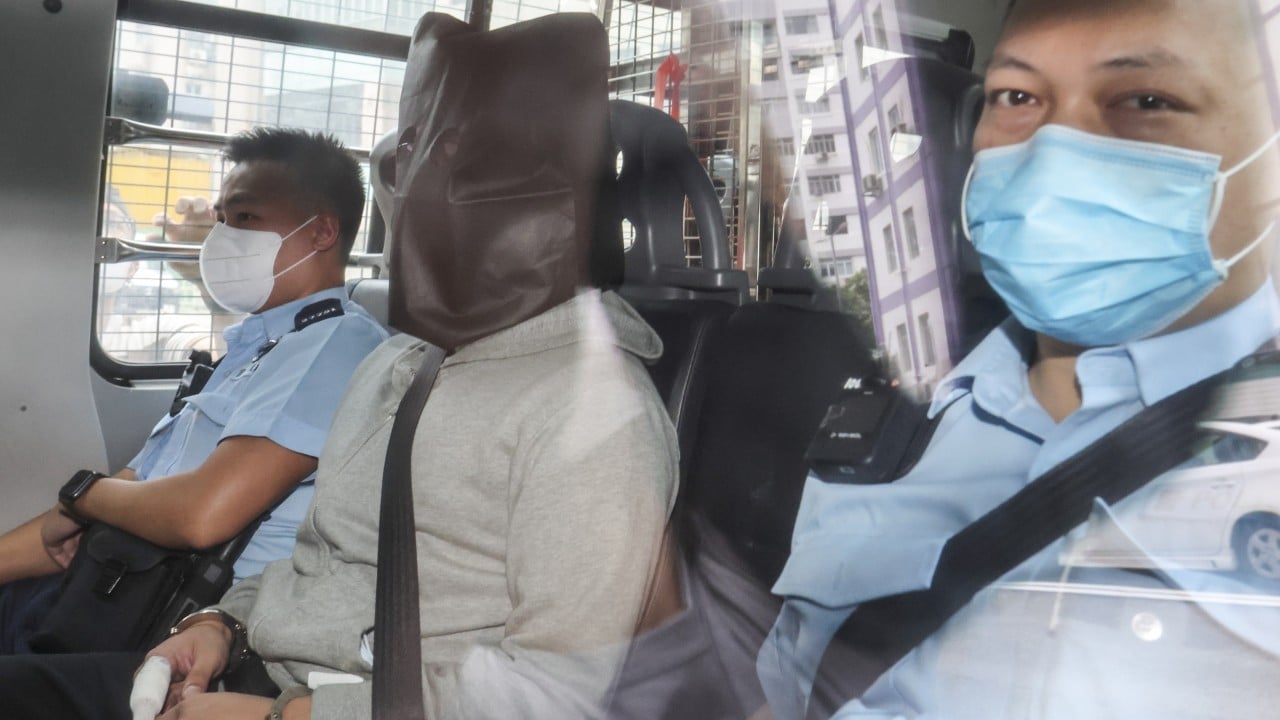
Five British men thought they could drive across the English Channel in a converted bus and take border enforcement into their own hands. They didn't make it very far. French police intercepted the group near Calais, arrested all five, and shut down what the men apparently viewed as a vigilante mission targeting migrants.
It sounds like a bad movie plot. Honestly, it's a textbook case of what happens when online bravado collides with actual European criminal law.
If you're trying to figure out how a group of UK nationals ended up in French custody over a so-called "battle bus," you have to look beyond the sensational headlines. The incident highlights a growing friction along the northern French coast, where frustration over small boat crossings in the English Channel has started spilling over into physical, cross-border vigilantism.
The Arrests Near Calais
French authorities detained five British citizens in northern France after intelligence and local policing flagged their vehicle—a modified bus—as part of a coordinated effort to confront or attack migrants living in makeshift camps around Calais and Dunkirk.
Let's be clear about what French law says here. You can't cross an international border with the stated or implied intent to commit violence, intimidate vulnerable populations, or act as an unauthorized militia. French prosecutors treat organized vigilante activity as a serious public order offense, often carrying charges related to criminal conspiracy (association de malfaiteurs), possession of prohibited items, or incitement to hatred and violence.
I've followed cross-border policing in the Pas-de-Calais region for years, and one thing never changes. French riot police (the CRS) and local gendarmes have zero patience for foreign nationals showing up to "patrol" their coastline. They already spend millions of euros managing the humanitarian and security fallout around Calais. Adding British vigilantes to that powder keg is a nightmare scenario for local prefects.
Why the English Channel Fuels Vigilante Fantasies
To understand why five men would load up a bus and cross the Channel, you have to look at the political temperature in the UK. For years, small boat crossings from France to southern England have dominated British tabloid front pages and political debate.
When people feel like their government isn't stopping something, a tiny, extreme fringe starts believing they should do it themselves.
Social media makes this infinitely worse. Echo chambers on encrypted messaging apps and fringe platforms turn reckless ideas into "missions." People start using military jargon. They call a beat-up vehicle a "battle bus." They convince themselves they're protecting their country, ignoring the glaring reality that they're actually just committing crimes in someone else's jurisdiction.
Here's what these groups consistently get wrong:
- Jurisdiction matters. A UK passport gives you zero authority on French soil. Once you step off the ferry in Calais or exit the Eurotunnel in Coquelles, you're subject entirely to the French Penal Code.
- Border security is heavily monitored. The Dover-Calais corridor is one of the most surveilled stretches of water and tarmac in Western Europe. Joint UK-French intelligence units actively track extremist chatter and suspicious vehicle movements before they even board a ferry.
- Migrant camps aren't empty fields. The areas around Calais and Grande-Synthe are dense, volatile environments monitored constantly by French police, humanitarian NGOs like Médecins Sans Frontières, and local journalists. Nobody rolls up in a conspicuous bus unnoticed.
The Legal Reality of Cross-Border Vigilantism
When British nationals get arrested in France for politically or racially motivated offenses, the fallout is brutal and fast. Unlike the UK legal system, where bail might be granted while a case drags on for months, the French judicial system frequently uses comparution immédiate—immediate court appearances—or pre-trial detention (détention provisoire) for foreign suspects who pose a flight risk.
If you don't have a permanent address in France, a judge isn't going to just hand you a court date and let you take the ferry home. You sit in a French remand prison until your trial.
Even if a group hasn't physically assaulted anyone yet, French law doesn't require a completed attack to secure a conviction. Under French criminal statutes, participating in a group formed with the view to prepare violent acts against people or property is enough to trigger prison sentences and immediate deportation orders, complete with multi-year bans from entering French territory—and by extension, the wider Schengen Area.
What Most Coverage Misses About the Calais Situation
Mainstream reporting on incidents like the "battle bus" arrests usually frames the story as a bizarre one-off. That's a mistake. While driving a branded bus across the Channel is uniquely brazen, low-level vigilante harassment in northern France isn't new.
Over the past decade, various far-right groups from both the UK and mainland Europe—including remnants of outfits like Generation Identity—have staged stunts in the Alps and along the Channel coast. They film propaganda videos, harass aid workers, and try to provoke confrontations with migrants.
And who pays the price when that happens? Not just the targets of their harassment.
Local French communities in Calais and Dunkirk end up caught in the middle. Humanitarian volunteers, who are already operating under immense strain and strict police restrictions, face heightened hostility. Meanwhile, British and French law enforcement have to divert intelligence resources away from actual human smuggling networks—the organized crime syndicates charging thousands of pounds per seat on unseaworthy dinghies—to babysit amateur extremists.
How UK and French Authorities Track These Groups
If you're wondering how police knew to intercept the five Brits, the answer lies in the bilateral security agreements between London and Paris. Through treaties like the Le Touquet agreement and subsequent joint intelligence frameworks, British counter-terrorism and public order units routinely share data with their French counterparts.
When individuals broadcast their intentions online, buy ferry tickets under their real names, and travel in a recognizable vehicle, they essentially hand law enforcement a roadmap.
French border police (Police aux Frontières) run automated license plate recognition across all major port exits and motorway toll booths (péages) leading toward Calais. By the time a suspicious vehicle clears customs, local police units are often already waiting down the A16 motorway.
Looking at the Bigger Picture
The arrest of five Brits on a "battle bus" isn't a sign of an organized movement taking over the Channel. It's the exact opposite. It's proof of how quickly amateur vigilantism collapses when it meets real-world borders and coordinated policing.
If you're following UK-France border news, pay less attention to loud stunts from fringe groups and keep your eye on the actual policy levers: bilateral intelligence sharing, prosecution of smuggling rings, and how both governments handle asylum processing. Vigilante road trips don't stop boats. They just end in a French holding cell.