Hold on before you panic about Cincinnati’s favorite celebrity mammal. If you just saw a viral headline claiming world-famous hippo Fiona died in the US days after swallowing a visitor’s hat, take a deep breath—because you're looking at a massive case of mistaken identity.
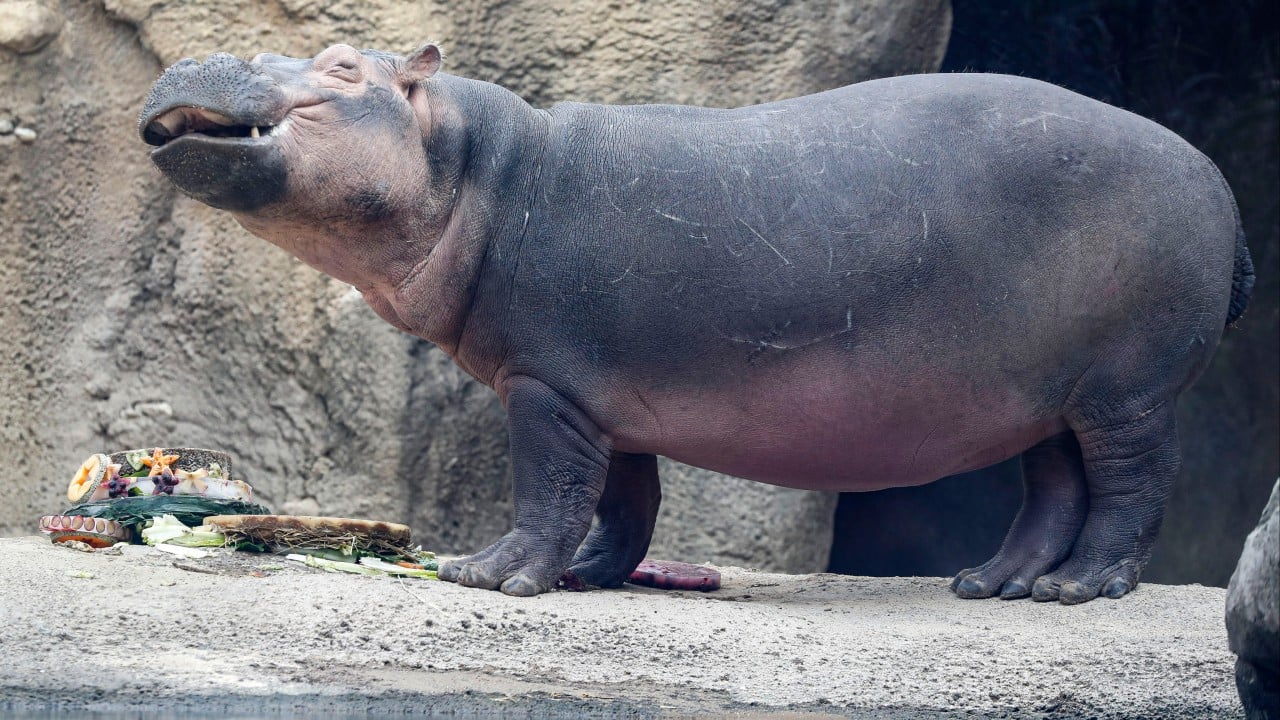
Fiona, the beloved premature Nile hippopotamus at the Cincinnati Zoo & Botanical Garden, is very much alive. The tragic incident actually happened to a completely different hippo named Fiona living in Mexico, yet sloppy social media shares and clickbait aggregators have mashed the two stories together into a confusing mess.
It’s frustrating. Honestly, seeing rumors spread like wildfire when a single factual check clears everything up shows just how broken viral news cycles have become. When an animal shares a name with one of the most famous zoo residents on the planet, any tragic headline involving that name automatically triggers mass grief online.
The Mexican Zoo Tragedy vs. The Cincinnati Icon
Let’s set the record straight immediately so there is zero confusion about which animal passed away and where it happened.
In early 2024, a hippopotamus named Fiona died at the Parque Zoológico Benito Juárez in Morelia, Michoacán, Mexico. According to veterinary reports and official statements released by the zoo at the time, the hippo ingested a foreign object dropped into her enclosure by a careless visitor—specifically a hat—which caused severe, fatal gastrointestinal complications. Despite emergency veterinary intervention, the blockage proved too severe to overcome.
Because the headline simply read "Hippo Fiona dies days after swallowing visitor's hat," international readers immediately assumed it meant Fiona the Hippo from Ohio.
Why the Confusion Spread So Fast
People rarely read past the first six words on a social media feed. When aggregators picked up the story from Mexican outlets and translated it into English, they kept the name "Fiona" front and center without clarifying the location in the headline. Within hours, thousands of fans were flooding the Cincinnati Zoo's social media accounts with condolences, completely unaware that their favorite hippo was happily swimming around Hippo Cove in Ohio.
If you've ever followed zoo news or worked around animal care communities, you know how fiercely protective fans get over star animals. The Cincinnati Zoo had to deal with waves of panicked comments every time a similarly named animal made headlines anywhere in the world.
Why Foreign Objects Are Lethal to Hippos
To understand why a single hat could kill an animal weighing over a ton, you have to look at how a hippopotamus is built on the inside. People see a massive mouth capable of crushing a watermelon in one bite and assume a hippo can digest practically anything. That assumption gets animals killed in zoos every single year.
Hippos are pseudoruminants. Unlike cows, which have four stomach chambers to break down tough plant matter through regurgitation and cud-chewing, hippos have a complex three-chambered stomach designed strictly for fermenting soft grasses and aquatic vegetation.
The Anatomy of an Obstruction
When a hippo swallows synthetic fabric, plastic, foam, or rubber—the exact materials used in modern baseball caps and sun hats—their digestive tract simply can't break it down.
- No enzymatic breakdown: Stomach acids designed for cellulose do nothing to polyester, nylon, or plastic brim inserts.
- Narrow intestinal bottlenecks: Despite their massive external size, a hippo's gastrointestinal tract has tight twists and turns where dense, wet fabric easily balls up into an immovable plug.
- Surgical impossibility: Performing abdominal surgery on a 2,000-to-3,000-pound animal is one of the most dangerous procedures in veterinary medicine. Anesthesia alone carries a massive risk of fatal respiratory collapse because the animal's sheer body weight crushes its own lungs when lying down.
Once a synthetic object lodges deep inside a hippo's gut, vets have very few options. Endoscopes rarely reach far enough into a digestive tract that spans dozens of feet, and heavy laxatives often make a complete blockage worse by causing tissue rupture.
Who Is the Real Cincinnati Fiona?
If you're wondering how the original internet-famous Fiona is doing right now, her story remains one of the biggest conservation and veterinary triumphs in modern zoo history.
Born six weeks premature on January 24, 2017, at the Cincinnati Zoo & Botanical Garden, she weighed just 29 pounds—roughly half the normal birth weight for a Nile hippo calf. Veterinarians didn't expect her to survive her first night. Instead, a dedicated team of keepers, neonatal nurses from Cincinnati Children's Hospital, and wildlife vets worked around the clock to keep her hydrated, warm, and fed.
She didn't just survive. She became a global phenomenon.
Today, the Cincinnati Fiona lives alongside her mother Bibi, her younger brother Fritz (born in August 2022), and Tucker in a state-of-the-art habitat designed with high barriers and constant keeper supervision specifically to prevent the kind of visitor accidents that claimed the life of the hippo in Mexico.
What Visitors Actually Need to Do at Zoos
Every single year, zoos lose irreplaceable animals because visitors treat enclosures like wishing wells or fail to secure loose belongings. Phones, sunglasses, hats, plastic wrappers, and coins drop over railings every day. Most animals don't investigate dropped items out of malice—they explore their environment with their mouths because they don't have hands.
If you visit any wildlife park, aquarium, or zoo, treat the railing like the edge of a cliff.
- Secure every loose item before approaching an exhibit. Take off loose hats, clip sunglasses to your shirt, and zip your phone into a pocket rather than holding it over a viewing wall for a better camera angle.
- Never try to retrieve a dropped item yourself. Climbing over secondary barriers puts both you and the animal in immediate danger, often forcing staff to tranquilize or lethally neutralize an animal to save a human life.
- Report dropped objects to staff within seconds. A keeper can often distract an animal with food rewards immediately if they know a hat or phone just fell in, giving them a narrow window to retrieve it before the animal swallows it.
Viral headlines thrive on shock and ambiguity, especially when they borrow the name of an animal millions of people love. Always check the city, the zoo name, and the original source before sharing breaking animal news—and keep your hat firmly on your head the next time you lean over an exhibit rail.