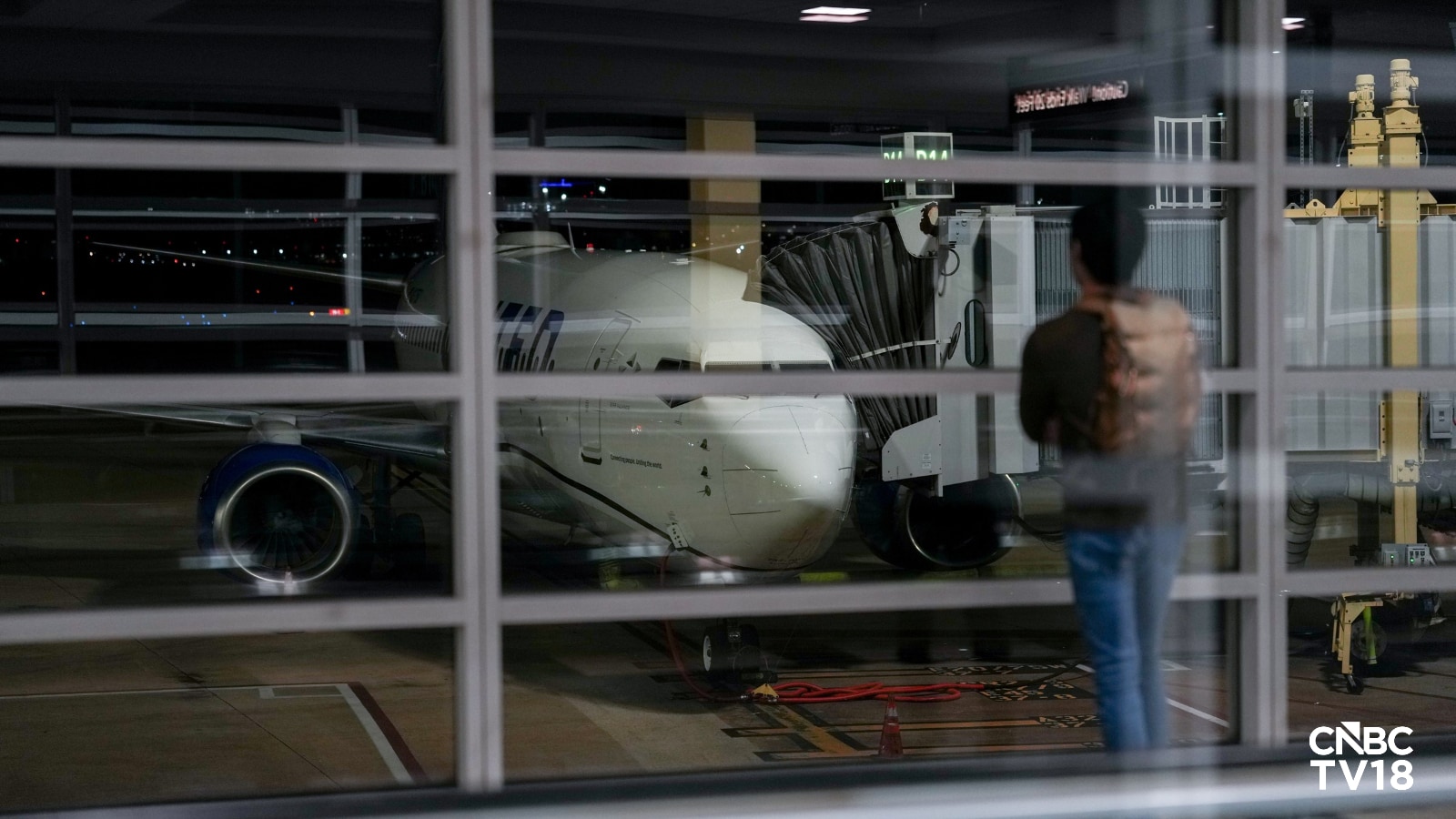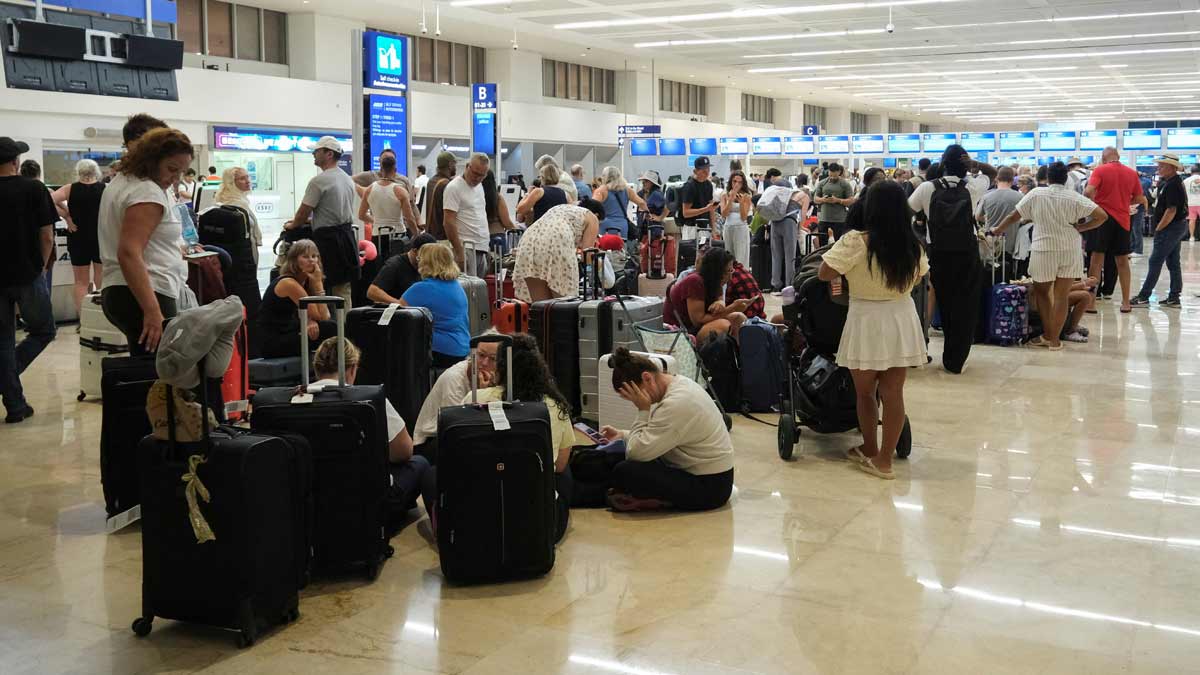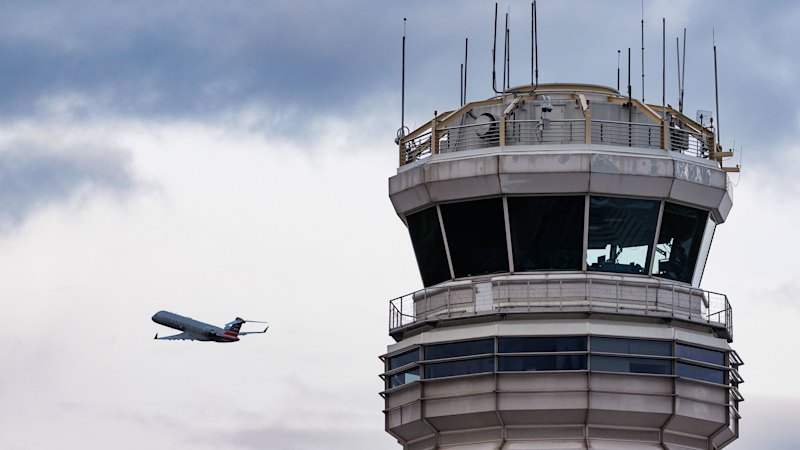
Every departing flight in the United States stopped dead on November 13, 2026. Not a regional weather delay. Not a single airline having a bad afternoon. At 20:54 UTC, the Federal Aviation Administration issued a nationwide ground stop citing "extraordinary circumstances" for safety.
Within hours, conspiracy theories flooded social media. People pointed straight at the massive Microsoft 365 outage that had knocked Outlook and Teams offline across 70 countries just 24 hours earlier. Others assumed foreign hackers had finally breached American airspace. Also making news in this space: Inside the US Aviation Shutdown That Grounded Over 4,700 Flights.
Both theories missed the mark. Homeland Security Secretary Markwayne Mullin and Transportation Secretary Sean Duffy stepped in front of cameras that same night to shut down the cyberattack rumors. The real culprit wasn't a coordinated digital assault. It was aging telecommunications hardware, overloaded routers, and an infrastructure problem Washington has kicked down the road for decades.
The Timeline of a Four-Hour Aviation Freeze
If you were sitting on a tarmac that Friday afternoon, the chaos felt endless. On paper, the actual nationwide ground stop lasted just over four hours, lifting at 01:15 UTC (8:15 PM ET). Additional details regarding the matter are detailed by Al Jazeera.
In reality, the ripple effects wrecked weekend travel across North America. Flightradar24 tracking showed the sheer scale of the empty sky. On a normal Friday evening, more than 4,500 airborne flights are inbound to US airports. At the lowest point of the November 13 shutdown, that number dropped to just 336 aircraft.
By the time airlines untangled displaced crews and out-of-position planes over the weekend, FlightAware and industry tallies placed total cancellations between 15,000 and 20,000 flights. You don't recover quickly when an entire country hits pause on Friday afternoon.
This marked only the third nationwide ground stop in the 21st century. The first followed the September 11 attacks in 2001. The second happened in January 2023 when a database maintenance error took down the Notice to Air Missions (NOTAM) pilot alert system for roughly 90 minutes. November 2026 eclipsed the 2023 disruption by hours and stranded exponentially more travelers.
Why Everyone Blamed Microsoft and Hackers
Timing explains the panic. On Thursday, November 12, Microsoft suffered a widespread outage across its 365 suite. Hospitals, banks, businesses, and airlines across 70 countries lost access to Outlook, Exchange Online, Teams, and Copilot. Microsoft later blamed dormant software bugs, gateway traffic surges, and reduced server capacity.
Then, on Friday afternoon, Air Route Traffic Control Centers across the US lost reliable communications. First Chicago halted traffic. Minutes later, the command center froze departures nationwide.
When two massive systems fail back-to-back, human brains naturally draw a line between them. Travelers sitting in terminal gates immediately assumed a single cyberattack was taking down Western infrastructure piece by piece.
During an initial briefing outside the White House, Homeland Security Secretary Markwayne Mullin noted there was no indication of a nefarious act, though officials initially left the door open while investigating. By Friday night, Mullin drew a hard line. He explicitly stated there was no cyberattack and zero connection between the FAA communications failure and Microsoft's cloud troubles.
Honestly, the truth is almost harder to swallow than a hack. A cyberattack implies an external enemy you can fight back against. Decades-old equipment failing under routine load means the call is coming from inside the house.
Inside the Hardware Failure That Stopped Air Traffic
Transportation Secretary Sean Duffy didn't sugarcoat the technical post-mortem. Speaking to reporters after the ground stop lifted, Duffy pointed directly at legacy telecommunications gear.
Switches and routers connecting the FAA's air traffic control network became overloaded with data. Instead of failing cleanly, those routers began feeding inconsistent data across the network. In aviation, conflicting data is worse than no data at all. If controllers can't trust the communications frequencies and flight tracking feeds on their screens, safety protocol demands clearing the skies.
Duffy called out the root problem bluntly. America's air traffic control backbone still relies on decades-old analog-era architecture trying to handle 21st-century flight volume.
The L3Harris Contractor Investigation
The investigation quickly zeroed in on maintenance work happening on those exact telecommunications lines. Florida-based defense contractor L3Harris had been performing updates on the private network linking the FAA's control centers.
Duffy publicly questioned whether the failure stemmed from a defective piece of hardware or human error during installation. Investigators began examining whether technicians installed a faulty router or introduced an error while updating the lines. L3Harris confirmed it was cooperating with the FAA probe to pinpoint the exact trigger.
The AI Controversy Aviation Experts Are Debating
While officials blamed legacy routers and contractor work, independent aviation analysts raised eyebrows. Just one week prior to the shutdown, the FAA had rolled out a new AI-assisted traffic analysis tool designed to help controllers manage airspace congestion.
FAA Administrator Bryan Bedford dismissed claims linking the AI rollout to the outage as "completely unfounded". Yet former airline executive and industry analyst Bob Mann Jr. publicly questioned the official router explanation. Mann pointed out that the FAA's telecommunications network is built with tens of thousands of duplicated, redundant nodes. In his view, a single bad router shouldn't be able to collapse an entire redundant network unless a broader system-wide data surge overwhelmed the legacy architecture.
Whether the overload came from a bad network update or excessive data traffic hitting aging switches, the takeaway remains identical. Modern software demands are colliding head-on with hardware built in another era.
Why November 2026 Felt Like a Tech Collapse
The FAA ground stop didn't happen in a vacuum. Over a single seven-day stretch in mid-November 2026, major institutions kept tripping over their own infrastructure:
- November 12: Microsoft 365 suffers a global outage knocking out Outlook and Teams for hours.
- November 13: The FAA halts all US departing flights due to air traffic control router failures.
- November 16: United Airlines delays over 100 flights after an internal weight-and-balance calculation system glitches.
- November 17: Apple experiences widespread outages across the App Store, iCloud, and Apple Pay following an internal update, while the National Security Agency reports temporary degradation in its classified messaging system during routine maintenance.
Seeing airlines, big tech, banks, and intelligence agencies stumble in the same week makes people nervous. You start wondering if the entire digital grid is fragile.
Security researchers at the National Cybersecurity Alliance and independent analysts have emphasized that clustering doesn't equal coordination. Aside from a separate third-party JavaScript exploit targeting Optimizely customers on November 16, the major aviation and cloud disruptions traced back to internal updates, software bugs, and hardware bottlenecks. Our infrastructure isn't under a secret unified siege. It's suffering from complexity debt and deferred hardware upgrades.
What You Should Do When a Ground Stop Hits
You can't fix the FAA's telecommunications switches from Gate B14. You can, however, beat 90% of stranded passengers to the remaining seats when airspace locks up.
The biggest mistake travelers make during a nationwide ground stop is standing in the physical customer service line at the airport. When 15,000 flights cancel over a weekend, gate agents get overwhelmed immediately. By the time you reach the desk, every alternate flight for the next 48 hours is gone.
Take these steps the second a ground stop hits your departure board:
- Open the airline app before you stand up. Automated rebooking tools update inventory faster than gate agents can type. Grab whatever seat the app offers first—you can always change it later once the dust settles.
- Call the airline's international support line. Domestic customer service queues hit multi-hour wait times within ten minutes of an FAA order. Dialing the airline's Canadian, UK, or European support number often connects you to an agent with identical rebooking power in under five minutes.
- Know your cash refund rights. Under US Department of Transportation rules, if your flight is canceled or significantly delayed and you choose not to travel, the airline owes you a full cash refund to your original payment method. Don't accept a travel voucher unless you actually want one, even when the airline blames the FAA for "extraordinary circumstances."
- Book a refundable backup on another carrier. If you absolutely must reach your destination within 24 hours, lock in a fully refundable fare on a competing airline immediately. Once one carrier's crew schedule collapses, recovery takes days.
Air traffic controllers and pilots did their jobs properly on November 13. Grounding planes when router data turns unreliable is the exact safety margin that keeps US commercial aviation remarkably safe. Until Congress and the Department of Transportation finish replacing the analog backbone underneath American airspace, keep your airline apps logged in and your backup plans ready.