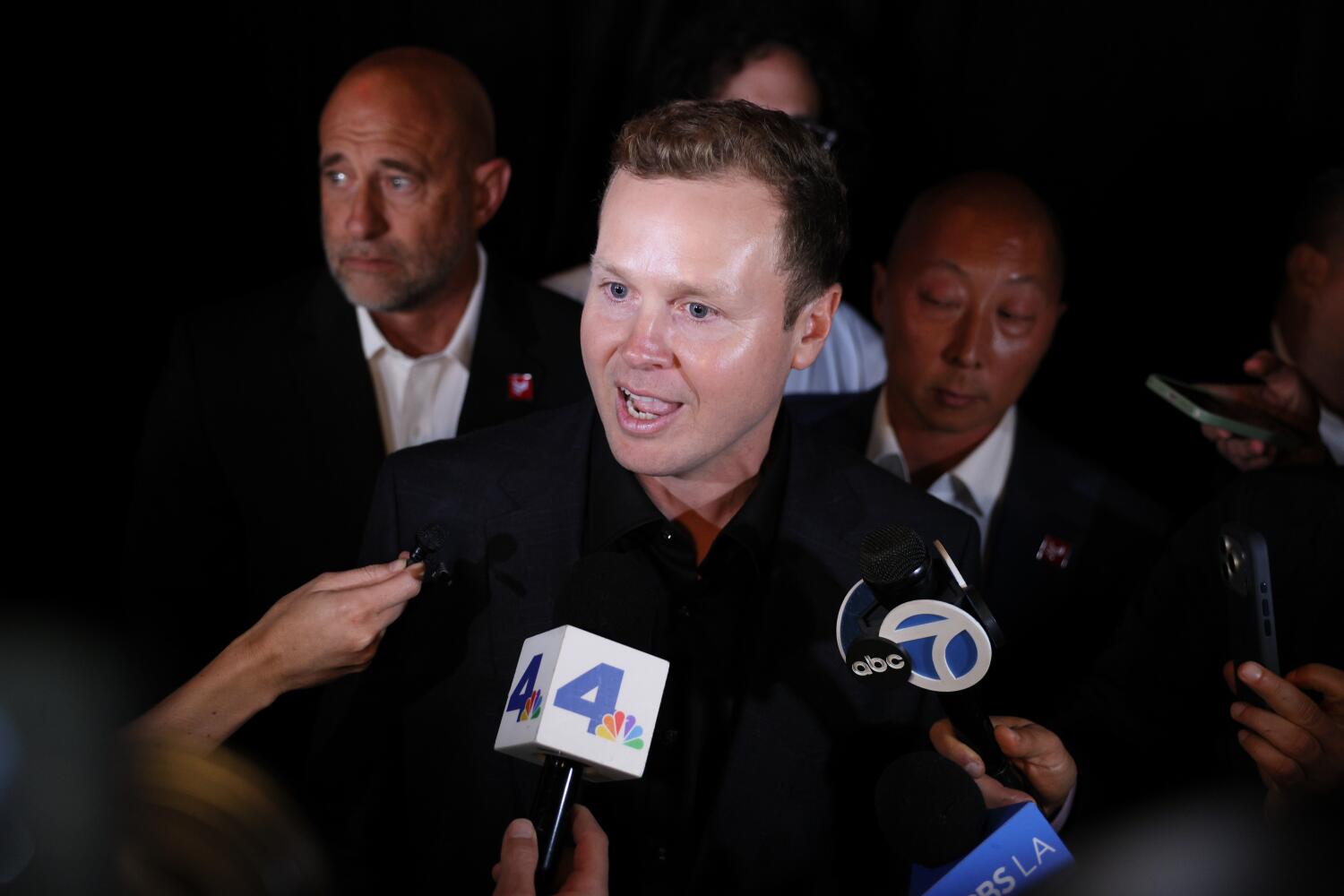
Spencer Pratt is packing his crystal collections and heading to the nation’s capital, leaving behind the sun-drenched pavement of Los Angeles where he spent nearly two decades defining the reality television villain archetype. While a recent wave of public commentary suggests Southern California is gladly washing its hands of the former star of The Hills, his sudden pivot toward the political arena reveals a deeper, more calculation-heavy shift in how modern influencers maintain cultural relevance. This isn't a simple relocation. It is a calculated survival strategy for an aging reality star who recognizes that the market for early-2000s Los Angeles drama has completely dried up.
The Evolution of the Manufactured Villain
To understand why Pratt is targeting Washington, you have to look at how he built his brand in the first place. Alongside Heidi Montag, Pratt transformed reality television from a passive observation of semi-famous people into a highly weaponized, heavily scripted performance art. They leaked their own stories. They staged paparazzi photos. They understood, far before the advent of algorithmic social media feeds, that outrage generates engagement.
But that specific brand of Hollywood notoriety has a shelf life. The culture changed. Audiences who once tuned in by the millions to watch the engineered downfall of friendships on MTV now demand a different kind of authenticity, or at least a better simulation of it. The constant tabloid warfare that kept the couple on magazine covers in 2008 now feels like a relic of a bygone era.
Los Angeles did not actively push Pratt out; it simply stopped paying attention. In a city where attention is the primary currency, indifference is the ultimate eviction notice. The local indifference forced a reinvention. Washington, with its constant cycle of tribal warfare and performative outrage, offers the perfect secondary market for someone skilled in the mechanics of public polarization.
Why the Political Arena Welcomes Reality Tactics
The line separating entertainment from governance has blurred to the point of erasure. Modern political campaigns frequently resemble long-running reality series, complete with heroes, villains, manufactured crises, and carefully timed media drops.
Pratt is not entering a foreign environment. He is entering a market that has spent the last decade adopting his exact playbook. Look at how modern congressional hearings operate. Politicians routinely prioritize clip-ready soundbites meant for social media distribution over actual legislative policy. The objective is no longer to pass laws, but to generate content that drives small-dollar donations.
Consider how a typical media cycle functions in the current political ecosystem.
[Controversial Statement] -> [Outrage/Media Amplification] -> [Fundraising Surge] -> [Victimhood Narrative]
This cycle is identical to the strategy Pratt utilized to keep The Hills at the top of the ratings. By pivoting his focus toward the political landscape, he is merely taking his skill set to an industry that currently rewards those exact behaviors with power and capital rather than mere television ratings.
The Financial Reality Behind the Shift
The economics of being a legacy reality star in Southern California are brutal. Without a recurring network contract, maintaining a lifestyle in one of the most expensive regions in the world requires constant monetization of personal life. The crystal business and sporadic social media sponsorships provide income, but they lack the institutional backing of a major media machine.
Washington represents a massive pool of untapped capital for cultural influencers. The amount of money pouring into political action committees, media consulting, and advocacy groups is unprecedented. A public figure who already possesses national name recognition and an innate understanding of crowd psychology can easily find a niche as a commentator, strategist, or surrogate.
It is a mercenary move. Pratt understands that the traditional Hollywood pipeline is increasingly closed to figures of his generation who became famous for simply being famous. By shifting his theater of operations to the East Coast, he taps into an entirely new ecosystem of donors, media networks, and audiences who view political alignment as a lifestyle choice.
The Public Backlash and the Illusion of Departure
Local media outlets and letter writers have expressed a sense of relief regarding his departure, framing it as a cleansing of the local culture. This perspective misses the broader point entirely. The culture that created Spencer Pratt remains completely intact in Los Angeles. The city continues to produce armies of aspiring influencers utilizing the exact same tactics of manufactured drama and clout-chasing; they just use different platforms.
The anger directed at him is rooted in nostalgia and discomfort. He serves as a mirror to an era of entertainment that many would prefer to forget—an era characterized by aggressive paparazzi culture, unchecked tabloid cruelty, and the commodification of personal relationships.
Getting rid of the individual does not cure the systemic obsession with fame that defines the region. Washington will not be corrupted by his presence, either. The capital has already developed its own native breed of influencers who are far more effective at leveraging outrage for personal gain than a vintage MTV star could ever hope to be.
The Long Game of Cultural Influence
This relocation demonstrates that the traditional boundaries of celebrity no longer exist. A decade ago, a reality star moving into the political sphere would be dismissed as a farce. Today, it is an accepted career path.
The move highlights a grim reality about the current state of public discourse. When the mechanisms of political engagement become indistinguishable from reality television, the people who excel at reality television naturally become viable political actors. Pratt isn't changing careers. He is simply changing networks.
The audience in California may have checked out, but the national stage remains wide open for anyone willing to play the villain loud enough. The true test of this move won't be whether he wins over the political establishment, but how quickly that establishment begins copying his old notes.