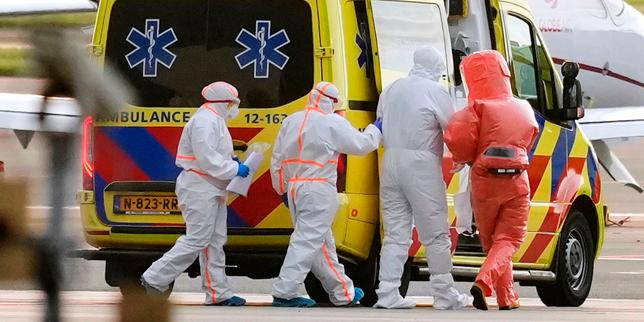
The World Health Organization (WHO) just confirmed six cases of hantavirus, and people are starting to panic. I get it. Whenever a global health body releases a report about a virus with a high mortality rate, the internet goes into a frenzy. But before you start looking for a bunker, you need to understand exactly what these numbers mean and why this isn't another 2020. This isn't a "new" pandemic. It's a localized situation that requires attention, not blind fear.
Hantaviruses aren't like the flu. They don't spread through a cough or a handshake in a grocery store. You're looking at a zoonotic disease. That's a fancy way of saying it jumps from animals to humans. Specifically, it's about rodents. If you aren't around infected mice or rats, your risk is basically zero. The WHO report highlights six specific cases, and while that number sounds small, the nature of this virus means every single case gets treated with extreme seriousness by health officials.
Why Six Cases Caught the World’s Attention
You might wonder why six cases of anything would make international news. In a world of billions, six is a rounding error. But hantavirus carries a heavy punch. Depending on the strain, the mortality rate can be as high as 35% to 40%. That's the scary part. When the WHO tracks these, they aren't just counting heads. They're looking for signs of mutation or unusual transmission patterns.
Most of these confirmed cases usually pop up in rural areas. We see them where humans and rodents share the same space. Think barns, sheds, or even summer cabins that have been closed up for the winter. The virus lives in the saliva, urine, and droppings of specific rodent species like the deer mouse. You breathe it in. You sweep a floor, dust flies up, and suddenly you've inhaled viral particles. It's fast, it's invisible, and it's dangerous.
The WHO’s role here is to act as a global smoke detector. By announcing these six cases, they're signaling to local health departments to sharpen their diagnostics. Often, hantavirus looks like a bad case of the flu at first. You get the fever, the muscle aches, the fatigue. But then it shifts. If it turns into Hantavirus Pulmonary Syndrome (HPS), your lungs start filling with fluid. That's the emergency.
Understanding the Transmission Myth
I hear this all the time. People think they’ll catch hantavirus from their neighbor. In the vast majority of cases, that's just wrong. Person-to-person transmission is incredibly rare. There’s one specific strain in South America called the Andes virus that has shown it can jump between humans, but that is the exception, not the rule. For the six cases currently being discussed, the focus remains firmly on environmental exposure.
If you’re living in a high-rise in a city, your risk profile is different than someone clearing out a grain silo in a rural province. We need to stop treating all viral outbreaks as if they follow the same path. Hantavirus is an "accidental" infection. The virus doesn't want to be in you. It wants to be in the mouse. Humans are just a dead-end host where the virus happens to cause massive inflammation.
I’ve seen how quickly misinformation spreads when these reports drop. People start wearing masks outdoors in suburban neighborhoods. That’s not how this works. You don't need a mask to walk your dog. You might need one if you’re cleaning out an old, rat-infested garage. Context is everything.
Signs You Actually Need to Worry
So, what do you look for? The incubation period is a bit of a moving target, usually ranging from one to eight weeks after exposure. It starts with what doctors call "prodromal" symptoms.
- Fever and chills that don't quit.
- Deep muscle aches, especially in the large groups like thighs, hips, and back.
- Headaches and a general feeling of being completely wiped out.
- Nausea, vomiting, or stomach pain.
About four to ten days after that initial phase, the respiratory issues kick in. This is the "leakage" phase. The blood vessels in the lungs start leaking fluid into the alveolar spaces. You feel like you can't catch your breath. It feels like a tight band around your chest or a pillow over your face. If you reach this stage, you don't call your doctor—you go to the ER. There’s no specific cure or vaccine for hantavirus. Treatment is about supportive care. They put you on a ventilator, keep your fluids balanced, and wait for your body to fight it off.
The Rodent Connection Is Not Negotiable
You can't talk about these six cases without talking about rodent control. It’s the only way to move the needle on prevention. If you see droppings, don't just grab a broom. That's the biggest mistake you can make. Sweeping or vacuuming stirs up the virus into the air where you can breathe it.
Instead, you need to wet the area down. Use a mixture of bleach and water. Let it soak. You want to kill the virus before you move the mess. Use gloves. Wear a mask—an N95 if you have one. It sounds like overkill until you realize how high the stakes are. Health experts consistently point to "disturbed dust" as the primary culprit in these infections.
We also have to look at climate. Changes in weather patterns affect rodent populations. A wet spring can lead to more seeds and plants, which leads to a population explosion of mice. More mice mean more contact with humans. The WHO tracks these ecological shifts because they're the true "early warning" signs of an uptick in cases.
Why Our Current Testing Sucks
One of the biggest hurdles in managing these six cases—and any that follow—is that we don't have a "rapid test" like we do for COVID or strep. Most labs have to use an ELISA test to look for antibodies (IgM or IgG). This takes time. Often, by the time the results come back, the patient is already in critical care.
Doctors have to rely on clinical suspicion. They look at your white blood cell count. They look for a high hematocrit level or a low platelet count. These are "clues" that the body is reacting to a hantavirus infection. If you've been in a rural area and start feeling like you have a severe flu, you have to tell your doctor about that exposure. They won't think to test for hantavirus unless you give them a reason to.
Moving Beyond the Headlines
The WHO's announcement of six cases isn't a reason to panic, but it's a reminder that our interaction with nature has consequences. We're encroaching more on wild spaces, and that brings us into the orbit of viruses that have existed for thousands of years.
Don't wait for a "confirmed case" in your town to take basic precautions. If you have a mouse problem in your home, fix it. Seal the cracks. Use traps. Clean up food sources. It’s basic hygiene that doubles as life-saving disease prevention.
If you're planning on cleaning out a space that's been vacant for a while, open the doors and windows first. Let it air out for at least 30 minutes. Spray any nesting materials or droppings with a 10% bleach solution. Honestly, it’s just not worth the risk of "winging it" with a broom and a dustpan.
Stay informed through official channels like the CDC or the WHO, but skip the social media doctors who scream about the next "big one." This is a manageable, albeit dangerous, virus that we know how to avoid. Focus on the facts of transmission and keep your living spaces clear of rodents. That’s your best defense. Period.