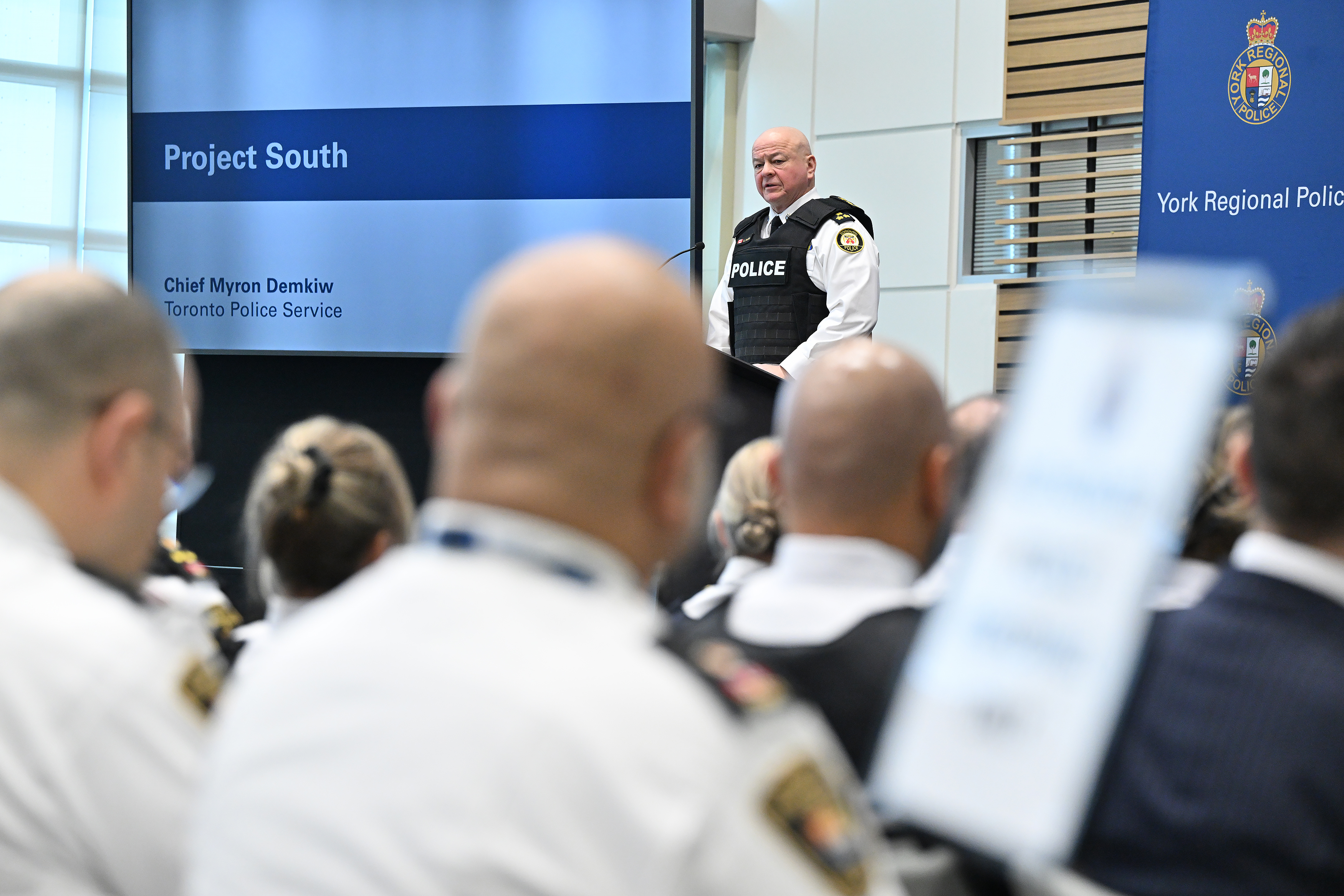
You've heard it all before. A press conference, a somber-looking chief, and a promise that "this isn't who we are." Toronto Police Chief Myron Demkiw just did the dance again. On March 4, 2026, he pitched a two-year anti-corruption overhaul to the police board. Why now? Because Project South—a massive investigation led by York Regional Police—uncovered a mess that looks more like a Hollywood script than a Canadian precinct.
We're talking about seven active Toronto cops and one retiree caught in a web of organized crime. These weren't just "bad apples" taking a few bucks to look the other way. They're accused of feeding confidential info to gangs, protecting illegal weed shops, and even playing a role in a plot to murder a corrections manager. If you're feeling a bit skeptical about another "corporate project" fixing this, you aren't alone.
Project South and the rot in the ranks
The details coming out of Project South are genuinely wild. Investigators allege that officers like Const. Timothy Barnhardt didn't just break the rules; they essentially became consultants for the underworld. Barnhardt faces 17 charges. The most chilling allegation? He allegedly used police databases to track down a corrections officer, then handed that info to hitmen.
Think about that. A guy with a badge and a taxpayer-funded salary allegedly helped criminals find where a law enforcement colleague lived so they could kill him. The plot failed after masked men were caught on camera ramming a cruiser at the victim's home, but the damage to the force's reputation is permanent.
It didn't stop at murder plots. The investigation highlights a "corrosive" relationship between the Toronto Police Service (TPS) and organized crime figures like Brian Da Costa. We're seeing charges for:
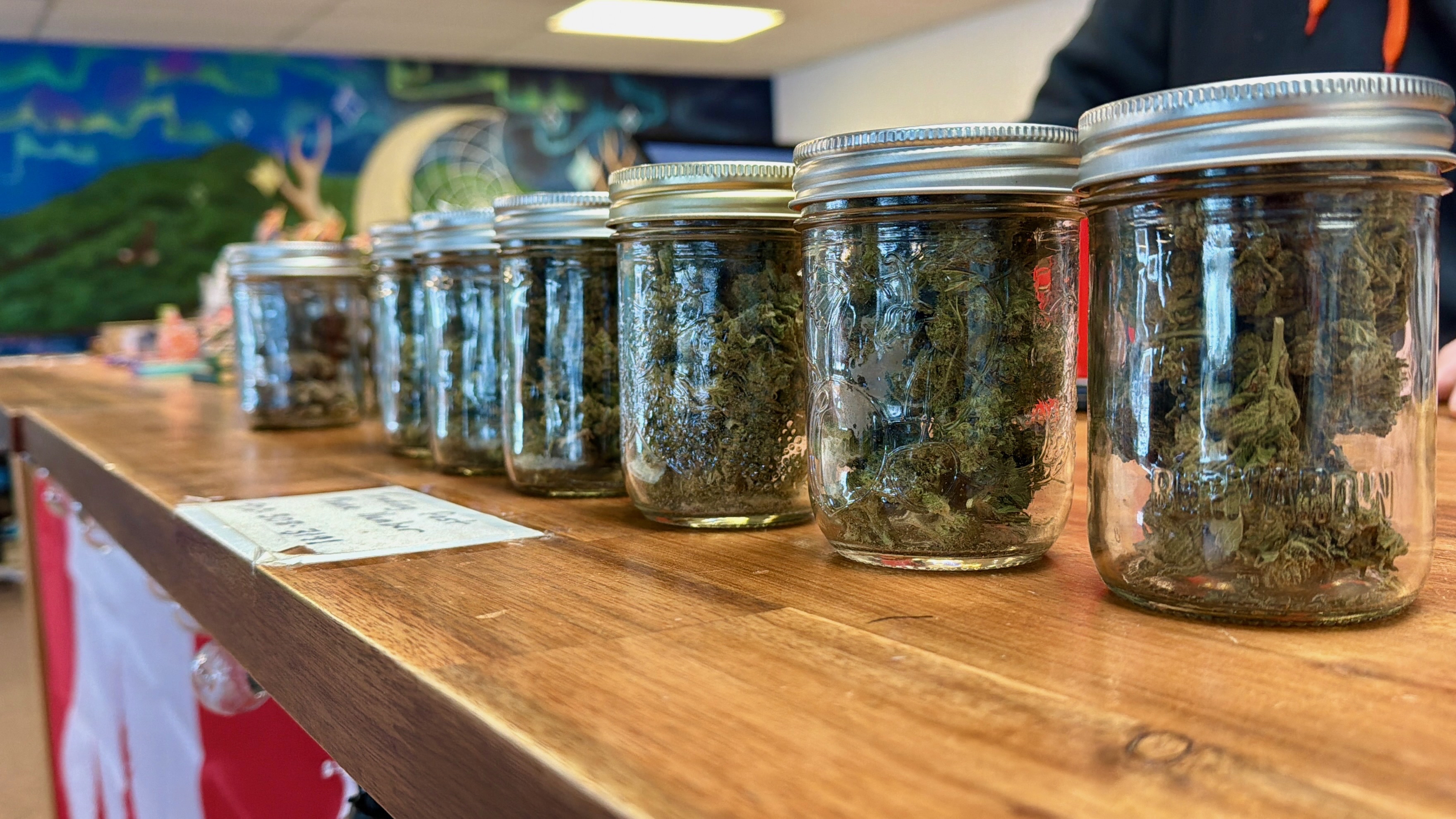
- Bribery: Taking cash to protect illegal cannabis dispensaries.
- Drug Trafficking: Officers allegedly involved in moving cocaine and fentanyl.
- Theft: One officer, Const. Derek McCormick, is accused of stealing IDs and passports from a police facility.
When the people meant to guard the evidence room are the ones allegedly looting it, a "project" feels like bringing a squirt gun to a forest fire.
Demkiw's two-part plan to stop the bleeding
Chief Demkiw knows he's on thin ice. Mayor Olivia Chow told him point-blank he needs to "earn trust back." His response is a two-pronged strategy: the "Chief’s Anti-Corruption Project" and the "One TPS Project."
The Anti-Corruption Project is the "hard" side of the reform. It’s supposed to run for two years and focuses on five specific "work streams." Basically, they want to tighten who can look at what on the computer and how bosses watch their subordinates.
- Database Lockdowns: Restricting who can run queries on sensitive files.
- Vetting: Checking backgrounds not just when you're hired, but throughout your career.
- Evidence Management: Fixing the literal holes in the system where property goes missing.
- Supervision: Making sure Staff Sergeants actually know what their teams are doing.
The "One TPS Project" is the "soft" side. It's about culture. Demkiw says oversight only goes so far if the culture is trash. He's right, but culture is the hardest thing to change in a 150-year-old institution. Most cops hate "internal affairs" types, and the blue wall of silence isn't just a cliché—it’s a survival mechanism in many divisions.
Why this time might actually be different
Usually, these internal reviews are a joke. The police investigate themselves and find that, hey, everything is fine! But this time, the heat is coming from the outside.
Ontario’s Inspector General of Policing, Ryan Teschner, is stepping in. This is a big deal. Under new provincial laws, the Inspector General doesn't just make "recommendations" that the chief can ignore. He issues directions. These are legally binding. If the TPS doesn't follow them, there are actual consequences.
Also, Demkiw is trying to hit them in the wallet. He’s seeking to suspend six of the seven accused officers without pay. In the past, "suspended with pay" was basically a taxpayer-funded vacation while you waited for your court date. The fact that he's pushing for no-pay suspensions shows he knows the public is done with paying for alleged criminals to sit on their decks.
The 12 Division problem
A lot of the heat is centered on 12 Division. Several of the charged officers worked there. It raises a massive question: how did this many guys go rogue in the same building?
It suggests a failure of leadership at the middle-manager level. If you're a sergeant or a inspector at 12 Division, how do you miss one of your guys allegedly helping a drug kingpin? You're either incompetent or you're looking the other way. Demkiw has already started moving more supervisors into that division, but shuffling the deck chairs doesn't fix the ship if the hull is compromised.
What you should watch for next
Don't take the chief's word for it. If you want to see if this plan is working, watch these three things:
- The Inspector General’s Report: This will be the first honest look at how deep the rot goes. When it comes out, see if the TPS actually implements the "legally binding" directions or if they fight them behind the scenes.
- Suspension Without Pay Results: If the police union successfully fights the no-pay suspensions, it's a sign that the old guard still holds the power.
- The "One TPS" Engagement: Watch for how many officers actually participate in these "culture sessions." If it's just a bunch of guys checking a box to get through their shift, nothing changes.
Honestly, the TPS has a long road ahead. Rebuilding trust isn't about a PowerPoint presentation at a board meeting. It’s about ensuring that the next time a cop looks at a database, they’re doing it to catch a criminal, not to help one.
If you’re interested in tracking these specific cases, the court dates for Barnhardt, Black, and the others are the ones to watch. That’s where the real evidence—and the names of any other "unnamed" conspirators—will finally come to light. Keep an eye on the Toronto Police Service Board's public meeting archives for the quarterly updates on these projects. That's where the real data on "vetting" and "access controls" will be hidden in plain sight.