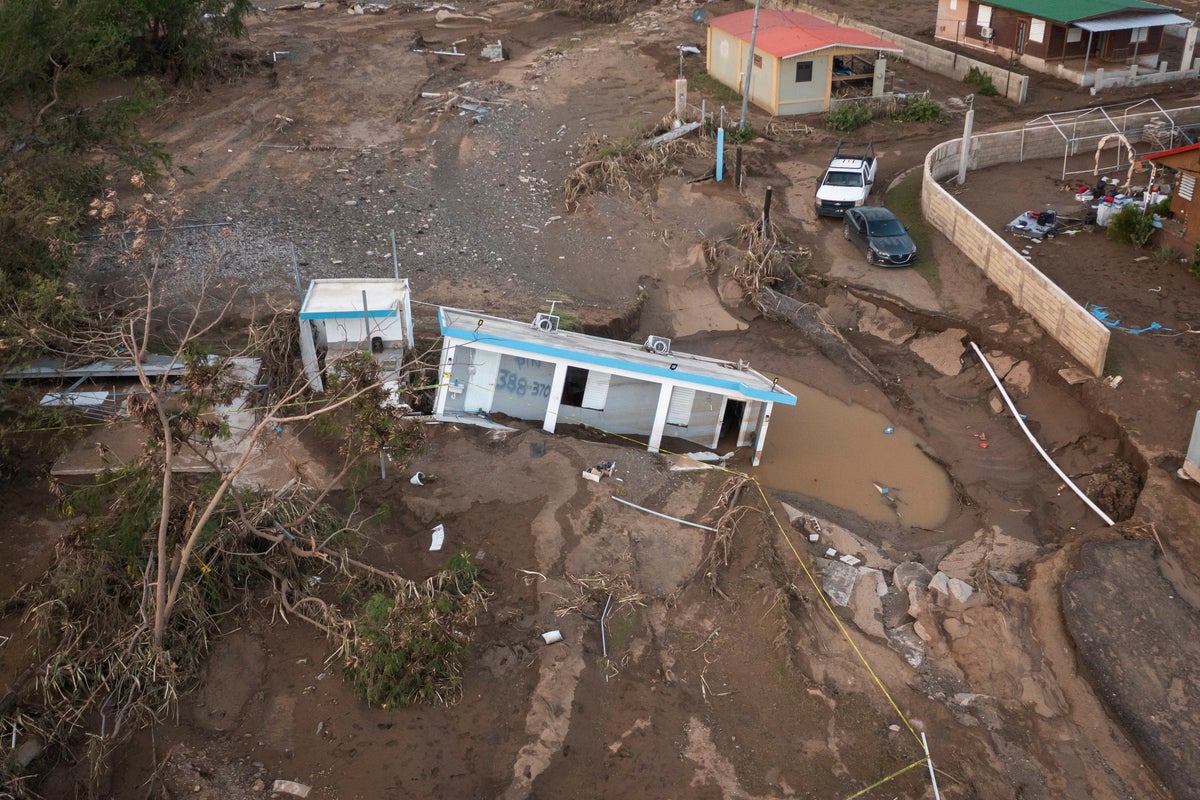
A delegation of Washington lawmakers lands in San Juan, steps in front of the microphones, and promises that federal disaster money will finally flow faster. This scene has played out regularly since Hurricane Maria decimated the island in 2017. Yet, despite tens of billions of dollars in theoretical congressional appropriations, Puerto Rico remains trapped in a state of permanent emergency. The truth is that the bottleneck holding back the island's reconstruction is not a lack of political goodwill, but a paralyzing web of bureaucratic red tape, staffing shortages, and a broken energy sector that wastes capital on patching an obsolete grid.
To date, Washington has allocated nearly $43 billion in federal funds through the Federal Emergency Management Agency (FEMA) and other disaster programs. Of that amount, roughly $40 billion has been officially obligated to specific projects.
The real breakdown happens at the checkout counter. Only $12.7 billion has actually been disbursed to the communities and municipalities that desperately need it.
The consequences of this delay are severe. Nearly a third of all designated recovery projects remain entirely stuck in the pipeline. In towns like Caguas, municipal infrastructure sits untouched while local mayors warn that inflation is rapidly eroding the purchasing power of their dormant grants. A project budgeted in 2020 costs significantly more to build today, creating a deficit before a single shovel hits the ground.
The Paperwork Penalty
The federal bureaucracy operates under a shifting set of rules that often seems designed to impede progress. Recently, former Homeland Security Secretary Kristi Noem instituted an internal policy requiring that every single Department of Homeland Security expenditure over $100,000 for the island receive personal approval from her office. The regulation ground municipal recovery efforts to a complete halt.
While current Homeland Security Secretary Markwayne Mullin rescinded the rule, the administrative damage was already done. Months of planning evaporated into a backlog of pending approvals, proving how easily political posturing in Washington can derail basic construction on the ground.
Even when policy obstacles are cleared, there is a fundamental human resource issue at play. FEMA has quietly downsized its workforce, shedding roughly one-third of its personnel. There are simply not enough people to answer calls, review architectural drawings, or process environmental assessments.
Federal Funding Breakdown for Puerto Rico Recovery:
[############################################] $43B Allocated
[##########################################  ] $40B Obligated
[#############                               ] $12.7B Disbursed
The Island Power Struggle
Nowhere is this administrative failure more obvious than in the ongoing collapse of the electrical grid. A Department of Homeland Security Inspector General report confirmed that FEMA fundamentally failed to ensure the timely rebuilding of the power grid after Hurricane Maria, missing critical opportunities to modernize the island’s energy infrastructure.
Instead of building a modern network, federal dollars have been funnelled into patching a legacy system.
Traditional Grid (Centralized, High Failure Risk):
[Fossil Fuel Plant] ---> [Miles of Vulnerable Transmission Lines] ---> [Substation] ---> [Homes/Businesses]

Decentralized Alternative (Resilient, Localized):
[Rooftop Solar + Battery] ---> [Local Microgrid] ---> [Immediate Community Support]
In 2021, private consortium LUMA Energy took over the operation of the transmission and distribution lines from the bankrupt Puerto Rico Electric Power Authority (PREPA). The results have been dismal. Power outages have grown 30% longer under private management.
A bitter corporate civil war has broken out between the public utility and the private operator. LUMA claims it cannot stabilize the grid because PREPA—which is bogged down in a decade-long, $10 billion bankruptcy proceeding—has withheld 70% of the funding required for system operations. Meanwhile, the Puerto Rico Public-Private Partnerships Authority has accused LUMA of chronic contractual negligence, leading the island's government to file lawsuits aimed at canceling LUMA's multi-million-dollar contract entirely.
While lawyers bill hours, the residents pay the price. Puerto Ricans endure some of the highest electricity rates in the United States for a grid that fails during routine rainstorms.
Shifting to Clean Energy Alternatives
The solution to this crisis requires moving away from the old, centralized model. Grassroots organizations and legal advocates achieved a major breakthrough when a federal court ordered FEMA to halt its plans to rebuild the old fossil-fuel network and instead prepare an Environmental Impact Statement analyzing distributed renewable energy alternatives.
Rooftop solar paired with localized battery storage represents a viable path forward for the island. Rather than relying on miles of vulnerable transmission lines winding through mountainous terrain, communities can generate and store their own power locally.
This is not a theoretical concept. Congress previously earmarked $1 billion specifically for the Puerto Rico Energy Resilience Fund, and the Department of Energy recently reallocated $365 million to accelerate distributed clean energy deployments for low-income residents.
Operational Next Steps
Reversing this multi-year failure requires concrete structural adjustments:
- Establish a Permanent FEMA Expedited Review Unit: Create a dedicated, fully staffed team within FEMA specifically tasked with clearing the backlog of municipal projects under $5 million without requiring multi-tiered Washington sign-offs.
- Enforce Direct Disbursal to Municipalities: Bypass the centralized colonial bureaucracy in San Juan by routing infrastructure reimbursements directly to local mayors who possess the immediate capacity to hire local contractors.
- Mandate Microgrid Funding Priorities: Legally tie remaining unspent energy infrastructure funds to decentralized solar and storage projects, preventing further capital from being wasted on vulnerable fossil fuel plants.
The cycle of legislative delegations visiting Puerto Rico, offering empty promises, and returning to Washington must end. Until federal agencies treat the reconstruction as a crisis of logistics rather than an exercise in risk-mitigation paperwork, the island will remain one storm away from total blackout.