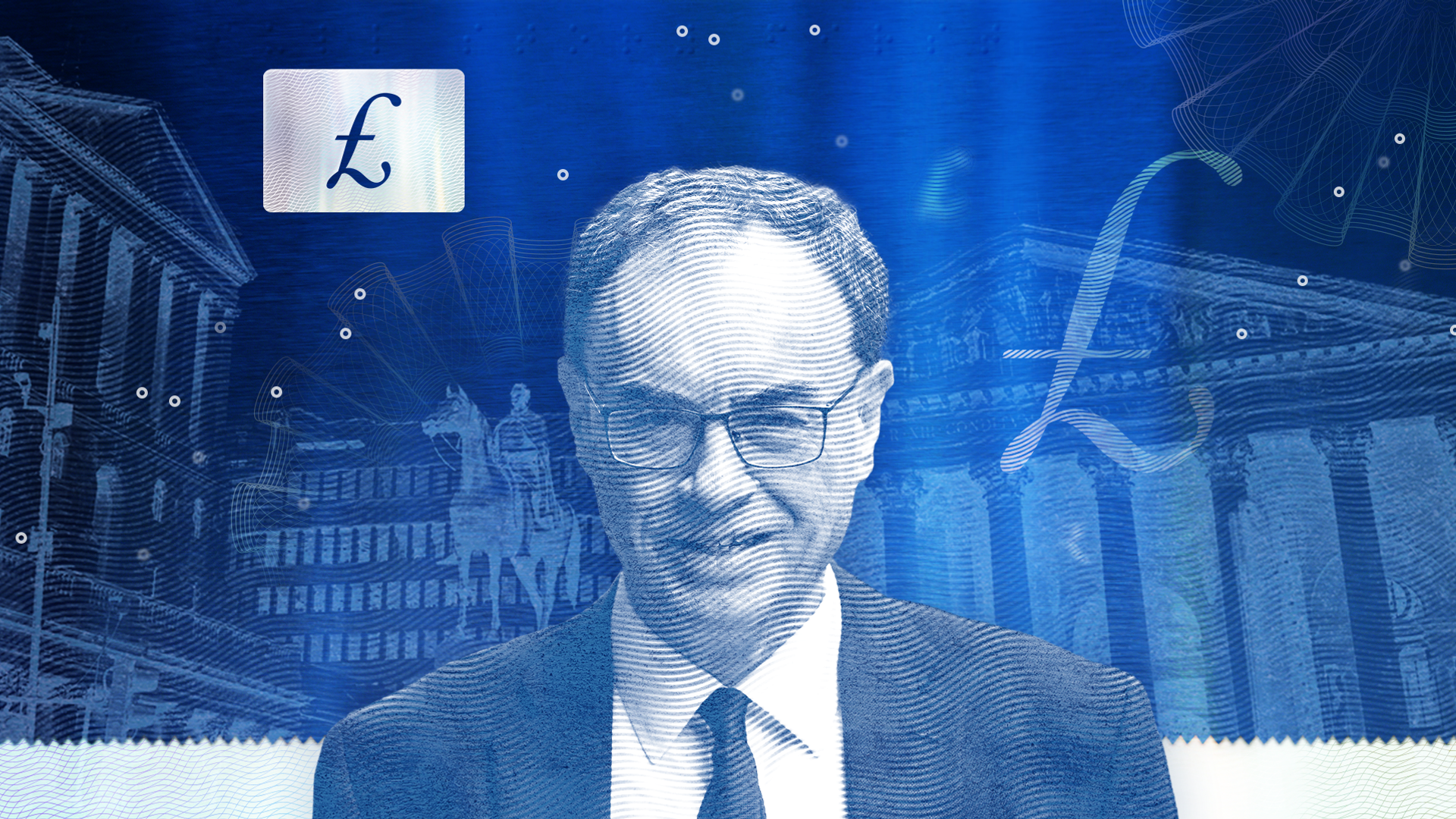
Every single time the Federal Reserve announces a rate hike, the financial media treats it like high-priest ritual magic. The headlines scream about cooling economies, fighting inflation, and the sacred mandate of price stability. Wall Street analysts nod sagely, anchors put on their serious television faces, and the public is fed a neat, tidy narrative: borrowing costs go up, people spend less, prices drop, and everyone lives happily ever after.
It is economic fairy-tale logic, and it has failed repeatedly.
I have spent decades watching central bankers apply the exact same blunt-force instrument to complex, modern supply chains, expecting a different outcome. They are trying to fix a structural engine problem by slashing the tires. Raising the federal funds rate does not cure inflation; it punishes Main Street while subsidizing asset holders, suppresses housing supply when we desperately need inventory, and treats symptoms while ignoring the disease.
Let us tear down the lazy consensus piece by piece.
The Broken Transmission Mechanism
The foundational dogma of monetary policy rests on a simple premise: make borrowing expensive, and aggregate demand plummets. Businesses stop expanding, consumers stop buying boats, and inflation surrenders.
Except the modern economy does not look like a textbook from 1982.
When the Fed cranks up rates, it assumes corporations and consumers are uniformly sensitive to the cost of debt. They are not. Large enterprises locked in ultra-low fixed-rate debt during the zero-interest-rate era are completely insulated from current borrowing costs. In fact, many of them are sitting on massive cash piles earning high yields in money market funds. Higher rates actually increase their interest income.
Meanwhile, small businesses—the actual lifeblood of job creation and local commerce—get squeezed out of credit lines immediately. You are not cooling the economy evenly; you are executing a targeted assassination of smaller competitors while corporate giants use their cash reserves to buy up market share at a discount.
The transmission mechanism of monetary policy is leaking oil. Pushing rates higher while corporate balance sheets remain bifurcated is like stomping on the brakes of a car where only the passenger-side wheels respond. You just spin out.
The Housing Trap Everyone Ignores
Nothing exposes the absurdity of central bank orthodoxy quite like the housing market.
For years, commentators have parroted the line that higher rates will cool skyrocketing home prices. If mortgages cost more, buyers pull back, demand drops, and housing becomes affordable. Right?
Wrong. It has done the exact opposite.
By pushing mortgage rates past seven percent, the Fed locked millions of homeowners into their current sub-four-percent loans. Why would anyone sell a house with a locked-in low payment to buy a new one at double the interest rate and a higher purchase price? They wouldn't. They stay put.
Inventory evaporates. Because inventory evaporates, structural housing shortages worsen. And because supply is choked off completely, home prices refuse to crash—they stay sticky or creep higher despite the cratering volume of transactions.
The Fed tried to freeze the housing market to fight inflation and ended up freezing supply, guaranteeing that housing costs remain a permanent anchor around the neck of the working class. It is economic vandalism disguised as medicine.
Supply Shocks Meet Demand Hammers
Let us talk about what actually caused the inflation spike in the first place. It was not an epidemic of consumer spending driven by too many people having too much cash. It was a historic collision of broken supply chains, energy market dislocations, and structural underinvestment in raw materials, shipping logistics, and domestic manufacturing.
When your supply chain breaks, raising the cost of capital does not build a new semiconductor foundry or drill a new oil well. In fact, higher interest rates make capital-intensive industrial projects more expensive to finance.
If you want more goods in the economy to drive down prices, you need to lower the cost of building productive capacity. Instead, the Fed makes financing a factory expansion prohibitively expensive, throttling the very investments that would solve supply shortages over the long term.
You cannot fix a supply-side crisis with a demand-side sledgehammer. Using rate hikes to solve supply chain inflation is like trying to put out a grease fire by hitting the stove with a baseball bat. You might break the stove, but you are going to make the kitchen explode in the process.
The Wealth Effect Illusion
Then there is the wealth effect argument. The theory goes that higher rates crash asset prices—stocks, bonds, real estate—making people feel less wealthy, which in turn curbs their spending.
This is a policy designed by people who only look at spreadsheets populated by the top ten percent of asset holders.
When asset prices drop or borrowing costs rise, the wealthy adjust their portfolios, perhaps delaying the purchase of a third vacation home. But working-class households, who hold little to no equity or stock portfolios, are hit with immediate, punishing realities: higher credit card interest rates, variable-rate loan spikes, and auto loans that require monthly payments rivaling small mortgages.
You are not curbing excess consumption among the demographic driving inflation; you are crushing the savings buffer of families living paycheck to paycheck, forcing them to rely on high-interest credit just to buy groceries.
The Unspoken Incentive
Why do central bankers keep reaching for the same hammer? Because it is the only tool they have that lets them look decisive without requiring actual political courage.
Fixing structural inflation requires fiscal discipline, domestic industrial policy, regulatory overhauls that encourage building, and trade strategies that secure critical supply chains. Those solutions require legislation, compromise, and politicians taking uncomfortable votes.
Monetary policy, by contrast, is clean, technocratic, and insulated from the voters. You press a button in an ivory tower, announce a twenty-five or fifty-basis-point adjustment, and let the invisible hand of the market do the dirty work of crushing Main Street while you congratulate yourself on fighting inflation.
We need to stop pretending that raising interest rates is a sign of economic stewardship. It is an admission of analytical bankruptcy. Until we recognize that modern inflation requires modern, structural solutions—not blunt instruments from a bygone era—we will keep suffering through the same boom-and-bust cycles, wondering why the medicine keeps making the patient sicker.