Fame is a strange currency. Spend it on gold-plated cars or private islands, and it vanishes into the ether, leaving behind only the hollow echo of luxury. Spend it on something else—something heavy, enduring, and quiet—and it multiplies in ways the headlines rarely capture.
Consider the mathematics of quiet influence. When a global icon lends a name to a cause, the cynical assumption is always branding. A photo op. A ribbon cut. A polite wave to the cameras before retreating to the comfort of first-class cabins and insulated bubbles. We have been trained to look at celebrity philanthropy through a lens of skepticism, expecting the hollow ring of corporate PR. Meanwhile, you can find similar developments here: What Really Happens When Thirty Thousand Feet Meets a Breaking Point.
Yet, beneath the glossy sheen of public relations, the gears of change sometimes actually turn.
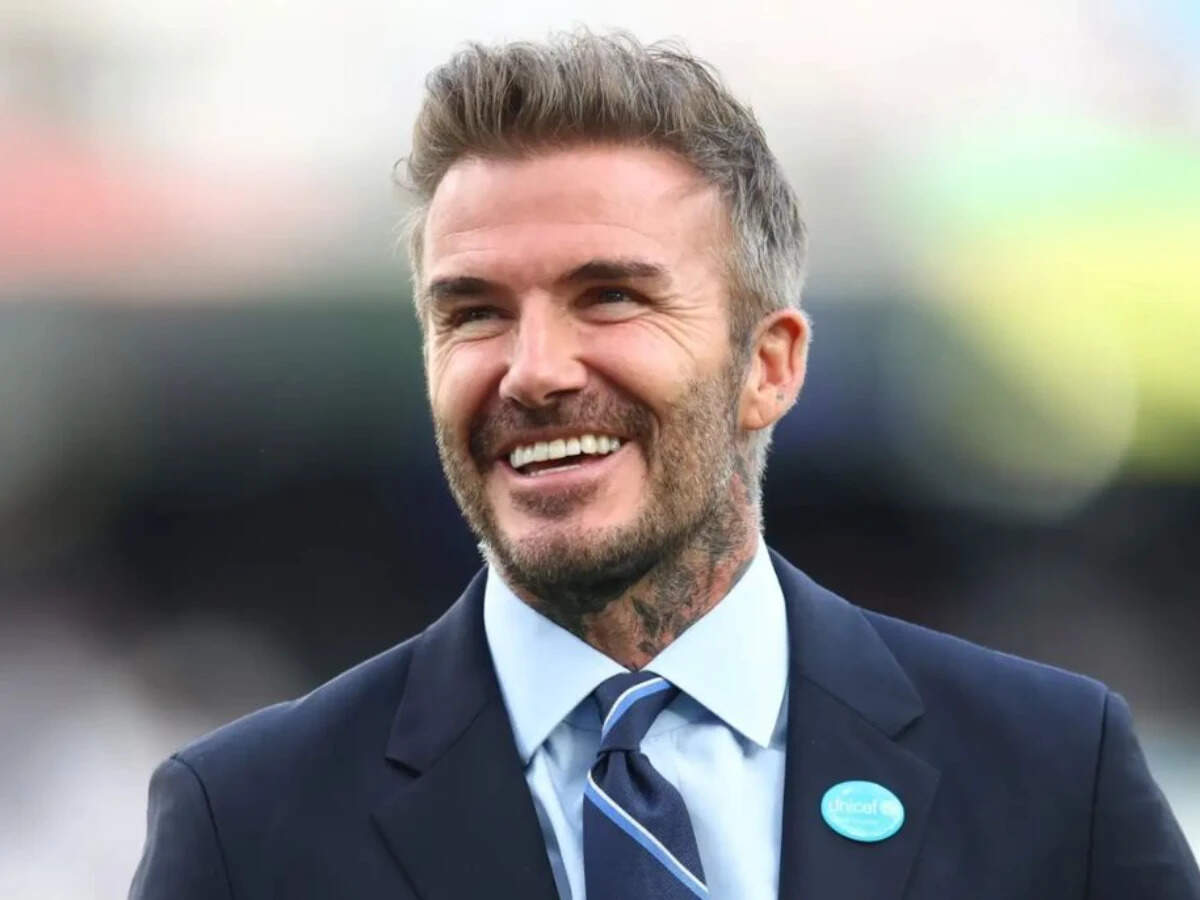
Look closely at the numbers. Not the ones flashed on late-night television appeals, but the stubborn, ground-level metrics of survival. Through the 7 Fund, established alongside UNICEF, David Beckham’s initiative reached 406,400 children across four disparate corners of the globe. Four hundred and six thousand four hundred human beings. Say the number out loud. It sounds like a statistic harvested from an annual report, cold and antiseptic. To understand the full picture, we recommend the detailed article by Associated Press.
It is not.
To understand what those digits actually mean, you have to strip away the celebrity gloss and look at the terrain where those children live. Imagine standing in a dust-choked schoolyard in rural East Africa, or navigating the humid, congested alleyways of a densely populated Southeast Asian neighborhood where clean water is a luxury traded like gold. Imagine the raw vulnerability of a child born into a system stacked heavily against their tomorrow.
That is where the money goes. Not into abstract funds, but into bricks, mortar, vaccines, textbooks, and the fragile, essential infrastructure of hope.
The initiative’s footprint spanned four distinct countries: El Salvador, Papua New Guinea, Uganda, and Nepal. Four vastly different cultures, four unique geopolitical nightmares, yet united by a single, crushing reality: the youngest citizens are always the ones who pay the highest price for the failures of the adults.
In El Salvador, young lives are often caught in the violent crosscurrents of gang culture and systemic instability. To grow up there is to navigate a minefield where safety is a rare commodity. The 7 Fund targeted these pressures by strengthening child protection systems, creating safe spaces where kids could learn without fear, and offering psychosocial support to heal invisible wounds. Trauma leaves scars that do not bleed, but they cripple a life just as surely as a physical blow.
Half a world away, in the remote highlands and coastal communities of Papua New Guinea, the barriers are geographical and infrastructural. Getting a vaccine or a textbook to a child in a village accessible only by treacherous mountain trails or small boats is an logistical odyssey. Here, the investment meant bolstering health systems, training community health workers, and ensuring that preventable diseases did not claim lives simply because geography conspired against modern medicine.
Then there is Uganda. In a nation shaped by rapid population growth and the lingering echoes of historical conflict, the education sector faces staggering demands. Classrooms overflow with children eager to learn, yet starved of basic resources. Through targeted interventions, the initiative helped transform learning environments, ensuring that girls and boys alike had access to quality education, safe drinking water, and sanitation facilities. A functioning toilet in a school sounds mundane to those who have never lived without one. To a young girl in rural Uganda, it is the difference between staying in school and dropping out entirely when adolescence arrives.
And in Nepal, standing in the shadow of the Himalayas, communities grapple with both economic fragility and the constant threat of natural disasters. Earthquakes and landslides can obliterate years of development in a matter of seconds. The focus here has been resilience—building safer schools, preparing communities for crises, and ensuring that healthcare networks can withstand the shocks of nature.
We forget how fragile childhood is when protected by privilege. For the rest of the world, it is an obstacle course.
What makes this particular effort notable is not simply the scale, but the focus on sustainability. Charity that arrives like a sudden storm and vanishes just as quickly often leaves the soil more eroded than before. True impact requires root systems. It means working alongside local governments, empowering community leaders, and handing the keys of progress back to the people who live there.
David Beckham’s involvement acts as a megaphone for the marginalized. When he speaks about these issues, doors open that would otherwise remain bolted. Governments listen. Donors pay attention. The media turns its fickle gaze away from celebrity gossip and toward the muddy realities of global inequality.
Critics will always scoff. They will point out that a wealthy former athlete cannot possibly understand the daily grind of poverty. They are right, of course. He does not know what it is like to boil untreated river water or to wonder if tonight’s dinner will consist of more than a handful of rice. But empathy does not require identical biography. It requires a willingness to listen, to leverage privilege, and to deploy resources where they are desperately needed.
The 406,400 children represented in that headline are not props in a public relations campaign. They are future architects, teachers, doctors, artists, and parents. By keeping them healthy, educated, and protected, the initiative altered the trajectory of countless family trees.
Fame fades. Trophies tarnish. Records are eventually broken and forgotten by time. But the ripple effect of a child who survives a preventable disease, finishes school, and goes on to build a stable life—that is an achievement that defies erosion.
The numbers tell a story, but the human reality is the only thing that truly matters.
Behind every single digit in that tally of 406,400 is a face, a name, a set of ambitions, and a future that was narrowly rescued from the jaws of circumstance. That is the real legacy. Not the goals scored on a pitch in Manchester or Madrid, but the silent victories won in the dust and shadows of the world, far away from the flashing lights.