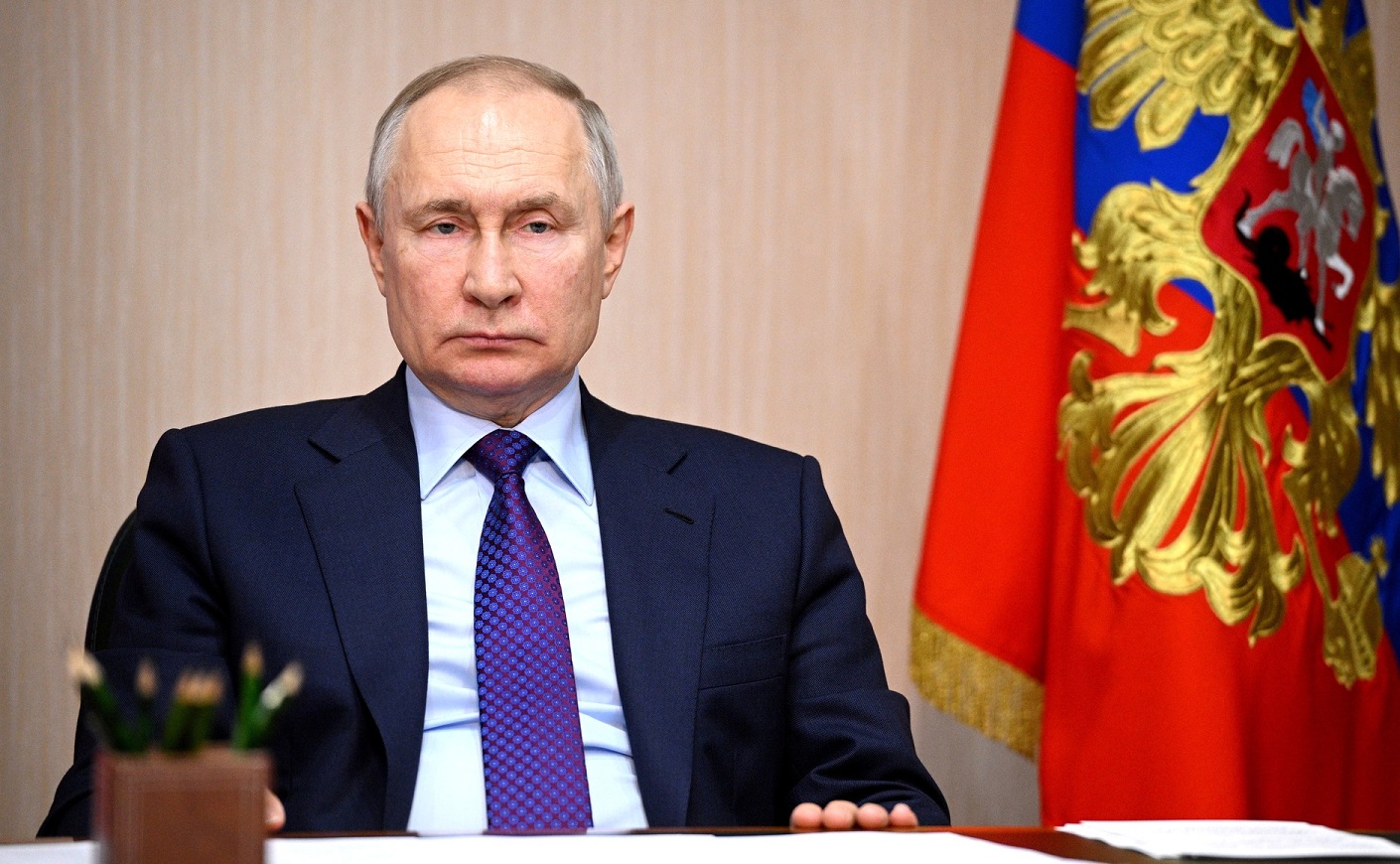
Call it a security zone if you want, yet pushing a military belt deep inside another country looks a lot like a land grab with better PR. On October 16, 2026, Vladimir Putin visited a command post of Russia's Joint Grouping of Forces and declared that Moscow is carving out a "security zone" along the Ukrainian border—and that this strip won't be on the table in any future peace talks with Kyiv. Kremlin spokesman Dmitry Peskov added that the planned stretch runs 660 kilometers (about 410 miles), with roughly 70% already under Russian control.
Anyone watching the war closely saw this coming. For years, Moscow has talked about creating buffer belts near regions like Belgorod and Kursk to keep cross-border shelling and drones away from Russian soil. Putting a hard diplomatic lock on it changes the stakes. Instead of treating those border pushes as temporary tactical moves, the Kremlin is trying to lock them in as permanent facts on the ground before any serious negotiations even start.
I've followed conflict reporting long enough to spot a classic bargaining tactic when I see one. Declare a contested area off-limits early, push troops into as much of it as possible, and force the other side to argue over what's left. Whether that works in reality is a completely different story.
Why Moscow Wants This Security Zone Inside Ukraine
From Moscow's perspective, the push comes down to two things: shielding exposed Russian border areas and setting the terms for talks. Ukraine's incursion into Russia's Kursk region in 2024–2025 shook the Kremlin's narrative that Russian territory was untouchable, and long-range drones and strikes have kept border provinces on edge. By pushing fighting onto Ukrainian soil—especially toward areas like Sumy and Kharkiv—Russia wants to push threats further back from its own side of the line.
There's also a blunt negotiating play here. Saying a 660-kilometer zone is "non-negotiable" is a way to take territory off the bargaining table before diplomats sit down. As legal analysts at Diplomacy and Law point out, calling an area a security zone doesn't create a special exception under international law or erase Ukraine's sovereignty. Still, on the ground, possession shapes leverage.
Honestly, claiming 70% control of a 660-kilometer corridor sounds tidy on paper, yet border terrain in northeastern Ukraine is messy. Fighting hasn't stopped there, and analysts like the Institute for the Study of War continue tracking active clashes and shifting positions along these northern sectors. A declared zone isn't a finished fence.
Security Zone Versus Annexation
People often lump every Russian territorial move into the same bucket, though there's a real legal and political difference between a "security zone" and formal annexation. Earlier in the war, Moscow claimed annexation over Crimea and four mainland Ukrainian regions. Putin's October 16 statement did not formally annex this northern border belt into Russia.
Why does that distinction matter? Because annexation is an attempt to claim permanent sovereign ownership, while a military security zone frames occupation around ongoing operational security—even if the practical effect on local residents is grim. In either case, unilateral military control doesn't settle legal title under international law.
Calling a strip of occupied land a security zone doesn't make it lawful, nor does it turn a wartime push into a settled border.
In real-world terms, civilians caught inside a contested buffer zone face displacement, damaged infrastructure, and constant military friction. You can't neatly separate a "security belt" from human lives and local towns when artillery and drones are flying through them.
How This Complicates Peace Talks
If one side walks into talks saying a major border corridor is off-limits, negotiations hit a wall before they start. Kyiv has consistently rejected buffer-zone demands that eat into Ukrainian regions like Sumy and Kharkiv. From Ukraine's view, conceding a deep belt along the border just invites future pressure further inside the country.
At the same time, border fighting doesn't happen in a vacuum. Reports from outlets like The Guardian and Anadolu Agency show heavy strikes on energy infrastructure, logistics hubs, and cities running alongside these diplomatic posturing moves. Putting pressure on power grids and transport routes while declaring border land non-negotiable looks like an effort to wear down resistance on two fronts at once.
Western capitals and regional partners are also pulled into the tug-of-war. Debates over sanctions, air defense, energy deals, and who gets a seat at negotiating tables keep shifting. When a leader declares a new zone non-negotiable, it tests whether outside mediators will treat that demand as a hard reality or push back against it.
What to Watch Next on the Ground
A few practical signals tell you whether this security zone is mostly political pressure or a durable military reality:
- Control claims vs. verified front lines: Watch independent assessments from groups like the Institute for the Study of War rather than taking either side's percentage claims at face value.
- Infrastructure and civilian impact: Track power, heating, and transit disruptions in nearby cities and border towns, since energy and logistics strikes heavily shape morale and winter readiness.
- Diplomatic wording around border strips: Pay close attention to whether draft peace proposals mention demilitarized or buffer areas, and whether Kyiv or Western allies push back on those terms.
One common mistake readers make is treating a leader's declaration as a done deal. In a war of attrition, a headline claim is just an opening bid—what holds up under pressure is what actually counts.
(If you're reading in a signed-out session, signing in to a Google Account can help you save threads like this and pick them back up later without losing track.)
Putin Says Russia's Security Zone Inside Ukraine Is Non-Negotiable
This video covers Putin's declaration on the non-negotiable border security zone and adds useful context around Moscow's stance ahead of potential talks.