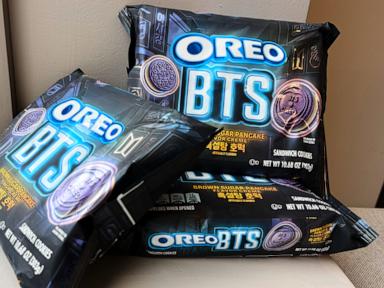
Mondelez International captured global attention by marrying Oreo, the world's best-selling cookie, with BTS, the South Korean pop juggernaut. This cross-cultural product launch went far beyond standard corporate sponsorship. By introducing a purple-creme biscuit inspired by the traditional Korean sweet pancake known as hotteok, the food conglomerate did not just sell snacks. They successfully financialized a subculture. The corporate machinery cracked the code on modern fandom, turning a deep cultural connection into a high-margin supply chain triumph.
Understanding this phenomenon requires looking past the colorful packaging and assessing the cold mechanics of limited-edition consumer goods.
The Anatomy of the Hype Engine
Global food brands face a structural crisis. Growth in traditional Western markets is flat, weighed down by shifting health trends and private-label competition. To capture the attention of a younger, highly skeptical demographic, companies can no longer rely on traditional television spots or billboard campaigns. They need an emotional shortcut.
Enter the strategic alliance. When a multinational corporation partners with a cultural entity like BTS, they are buying immediate access to a fiercely loyal, digitally native ecosystem. The fans, known collectively as ARMY, operate with an efficiency that rival advertising agencies cannot match.
The mechanism relies on manufactured scarcity.
- Limited Production Runs: The product is intentionally under-supplied to create urgency.
- Geographic Exclusivity: Rolling out the product in specific Asian markets first triggers an international resale market.
- Visual Optimization: The distinct purple hue—synonymous with the band's message of long-term affection—ensures the product is highly photogenic for digital platforms.
This is not a product innovation. It is an exercise in cultural borrowing. The hotteok flavor profile—typically a comforting winter street food filled with brown sugar, cinnamon, and nuts—serves as an authentic anchor. It provides the necessary cultural credibility that shields the corporate parent from accusations of cheap exploitation.
Deconstructing the Supply Chain Alchemy
From a manufacturing perspective, altering a core product line is a logistical nightmare. Factories are optimized for consistency, and changing the formula introduces massive overhead. Mondelez mitigated this risk by using a calculated formula tweak rather than a total overhaul.
The classic chocolate wafer remained untouched. The innovation was confined entirely to the creme filling. By infusing the center with a specific dye and a synthetic flavor profile mimicking caramelized sugar, the brand achieved maximum differentiation with minimal factory retooling.
Standard Oreo Line -> [Unchanged Wafer Production] \
                                                     > -> [Purple Hotteok Assembly]
Specialty Line     -> [Targeted Creme Dye & Flavor] /
This represents the peak of modern manufacturing efficiency. The company avoided spending millions on new machinery while creating a product that felt entirely novel to the end consumer.
The real magic happened on the secondary market. Within hours of the initial release in supermarkets, boxes appeared on global e-commerce platforms at a markup exceeding 400 percent. Fans in North America and Europe willingly paid exorbitant shipping fees to secure a cardboard box that cost pennies to manufacture. Mondelez effectively outsourced its global distribution to entrepreneurial fans and independent resellers, expanding its market reach without investing a dime in international freight for the specialty line.
The Dark Side of Fandom Monetization
This corporate strategy relies on an uncomfortable truth. Modern fandoms occasionally mirror the dynamics of a high-growth tech platform, where users willingly give their labor for free.
When a fan buys multiple boxes of cookies to display the packaging on social media, they are acting as an uncompensated micro-influencer. They drive algorithm engagement, create localized marketing materials, and defend the brand against detractors online. The corporate entity reaps the financial rewards while the community bears the emotional and financial cost.
There is a growing fatigue among consumers who see through the veneer of these corporate alignments. The line between genuine cultural celebration and cynical cash grab is incredibly thin. When every major consumer packaged goods company has a dedicated "pop culture integration" division, the novelty begins to rot.
"The moment a subculture becomes a predictable line item on a corporate balance sheet, its authentic value begins to erode."
We have seen this cycle play out across multiple industries. Luxury fashion houses routinely co-opt street culture, and video game publishers turn underground internet memes into paid downloadable content. The food and beverage sector is simply catching up to a playbook that has been optimized by the entertainment sector for over a decade.
The Longevity Problem of Limited Additions
The primary risk of the hype-driven business model is its lack of sustainability. A brand cannot survive on temporary spikes in volume driven by external fanbases.
Once the promotional window closes and the contract with the talent expires, the sales velocity plummets back to earth. The core product must still confront the same systemic issues it faced before the campaign began. If the standard cookie is perceived as outdated or unhealthy by the broader public, a temporary purple coat of paint will not save the quarterly earnings report next year.
Furthermore, these campaigns create massive coordination headaches for retailers. Supermarket managers must handle sudden influxes of foot traffic, stock hoarding, and the inevitable dead inventory once the trend shifts to the next cultural moment.
The New Blueprint for Global Marketing
Mondelez demonstrated that localized cultural touchstones can be scaled globally if they are attached to the right vehicle. The success of the campaign will inspire a wave of imitators across the consumer goods sector. Expect to see traditional Western brands scrambling to find regional flavor profiles and global ambassadors to replicate this exact formula.
The old way of selling snacks through generic appeals to happiness or family moments is dying. The future belongs to brands that can successfully identify, package, and sell micro-identities to a fragmented global audience.
Victory will not go to the company with the best ingredients or the lowest price point. It will go to the organization that can most effectively turn a consumer into a disciple.