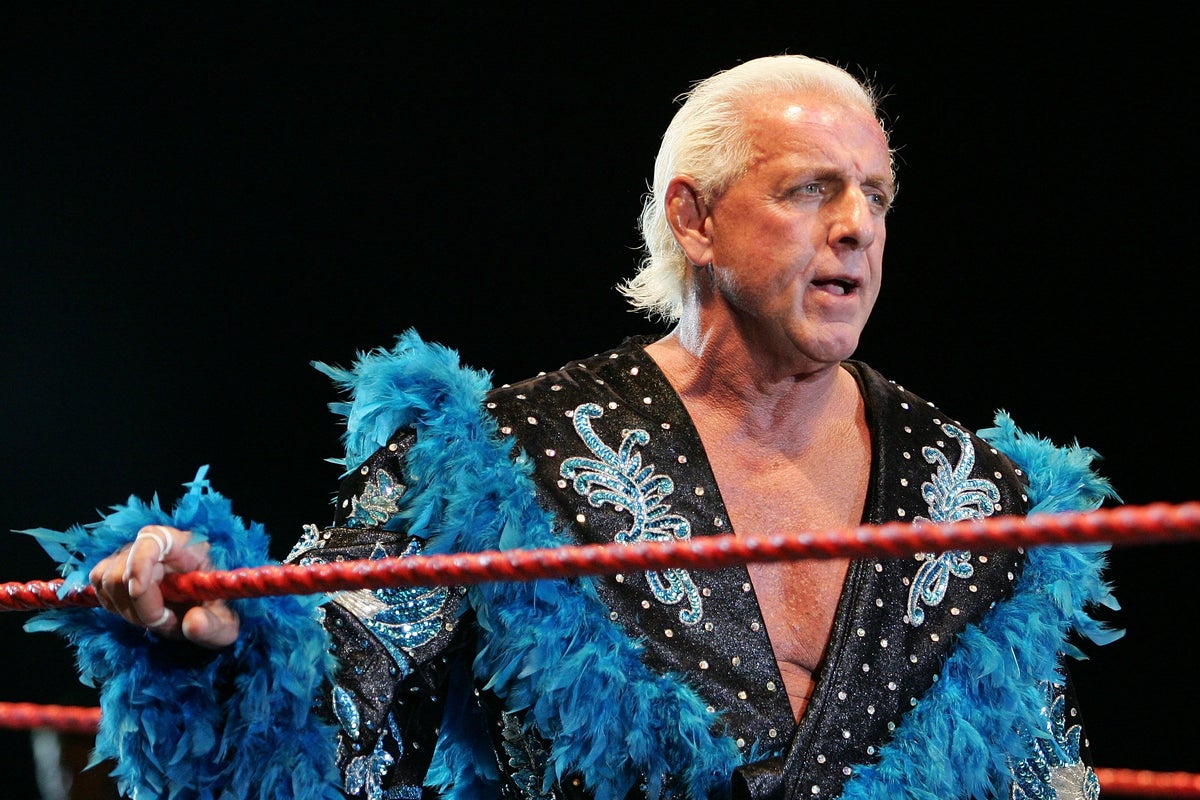
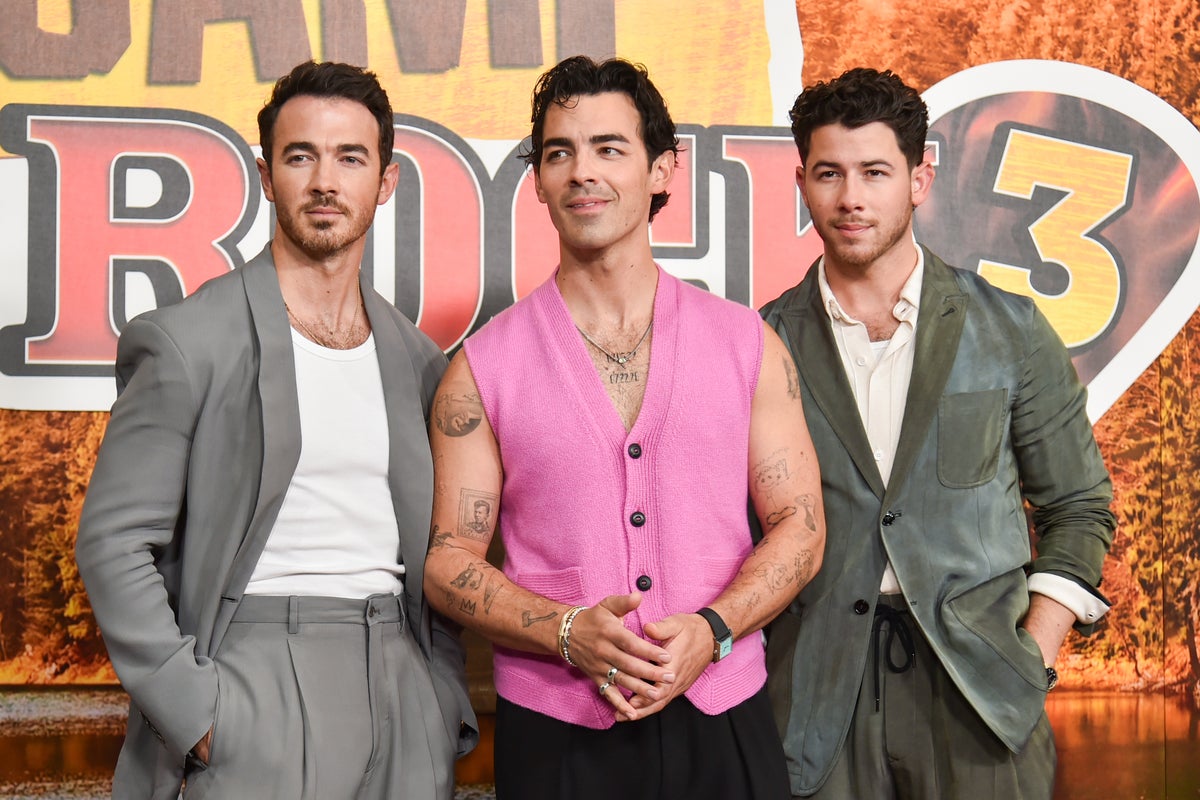
A flash of cameras illuminates the gilded molding of Clarence House. In the center of the frame, two women share a warm, seemingly innocuous moment. One is Queen Camilla, navigating the rigid, tightly scripted choreography of modern royal duty. The other is J.K. Rowling, a literary titan whose name now instantly sparks fierce, tribal digital warfare.
On paper, it was just another reception. A celebration of literature. A gathering of minds. But in the hyper-connected, deeply fractured reality of the current cultural landscape, no handshake is neutral. Context changes everything. And the context of this specific handshake sent a shockwave through communities that felt an institution’s silence transformed into a loud, deliberate statement.
Timing is the invisible architecture of public relations. When a royal calendar is planned months in advance, scheduling conflicts are inevitable. But the public does not consume life through a spreadsheet. They consume it through symbols. The images of the Queen warmly hosting Rowling were released precisely during Pride month—a period dedicated to celebrating LGBTQ+ identities and advocating for trans rights. For a community that largely views Rowling’s high-profile commentary on gender and sex as a direct threat to their safety and recognition, the timing felt less like an administrative coincidence and more like a calculated snub.
Consider the contrast. On one side of London, Pride flags fluttered from storefronts, celebrating marginalized identities and remembering decades of struggle for basic dignity. On the other side, Buckingham Palace machinery chose this exact window to publicize a cozy audience with one of the most polarizing figures in the global debate over transgender identity.
Royal protocol demands absolute political neutrality. The monarch and their consort are meant to be a mirror reflecting the entire nation, a unifying canopy beneath which every citizen finds a home. When the palace amplifies an alliance with a figure deeply entangled in a cultural culture war, the mirror cracks.
Critics from LGBTQ+ advocacy groups and allies did not see a routine literary event. They saw a choice. To them, the publication of those specific images during a month of solidarity was a quiet, devastating signal that their pain was invisible to the Crown. The crown relies on soft power—the power of representation, inclusion, and morale. When that power is deployed carelessly, or perhaps intentionally, it alienates the very people who look to the state for validation.
The palace, true to its century-old playbook, maintained a stoic silence. Insiders whisper about pre-arranged schedules and a pure focus on the Queen’s long-standing literacy campaigns. But in a world where every image is dissected for its subtext, the defense of "business as usual" rings hollow. A photograph is a narrative.
What lingers after the news cycle moves on is not the text of a press release, but the emotional residue left behind. For a young trans person looking for reassurance from the traditional pillars of society, the image of that royal smile was a cold reminder of where institutional priorities truly lie. The palace may command the history, but the culture is written by those who feel the weight of its decisions.