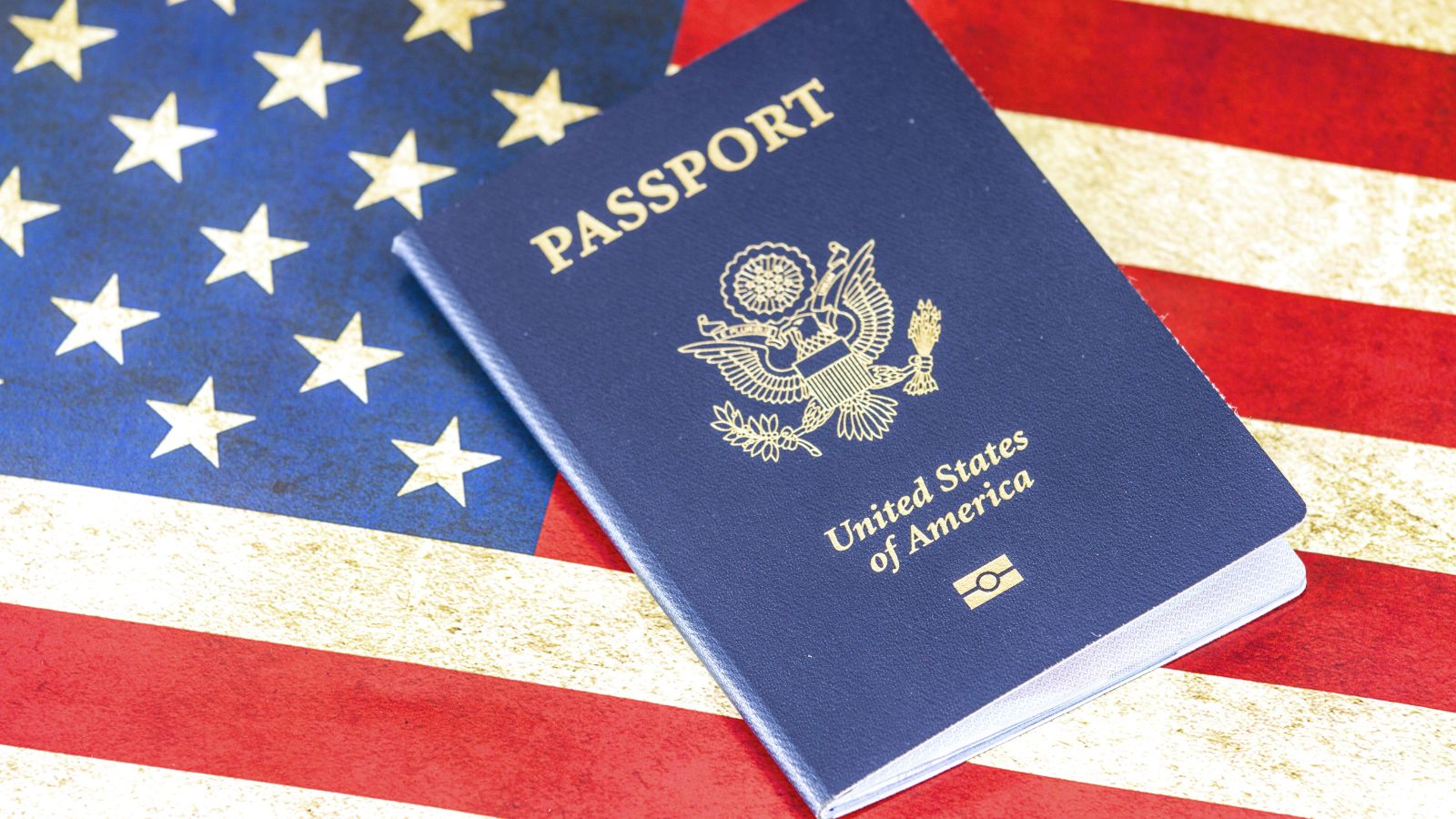
Applying for a child’s passport used to be a straightforward bureaucratic headache. You gathered a birth certificate, dragged a fussy toddler to the post office, and waited six weeks. Now, shifting federal policies threaten to turn a routine errand into a stressful vetting process for families.
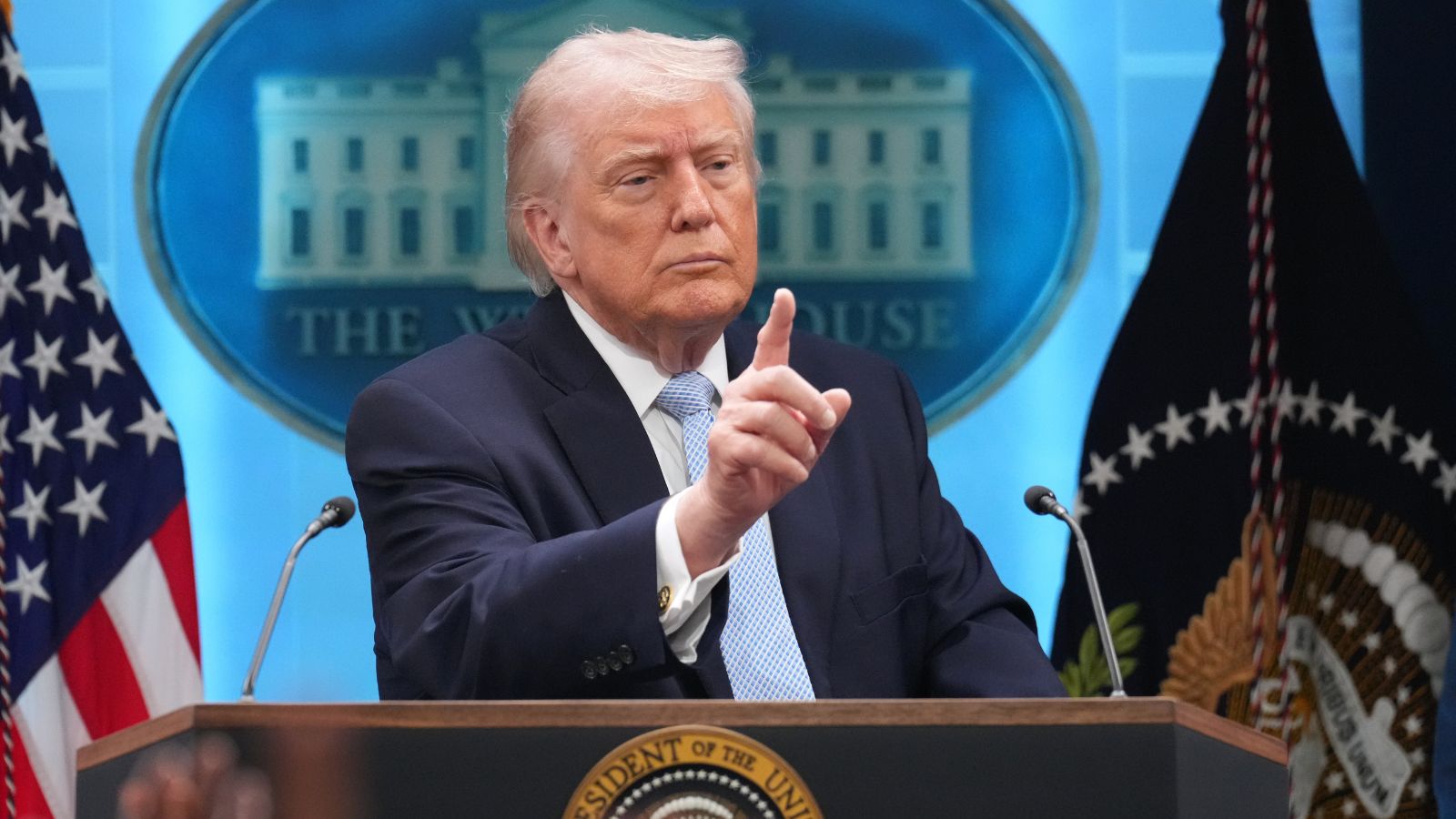
Recent draft guidance from the State Department points toward a major shift. Officials might soon force parents to actively prove their own citizenship or legal immigration status when requesting a passport for a minor. If you've been following executive actions targeting birthright citizenship, this move shouldn't come as a total shock. But for everyday families trying to book a summer vacation or visit relatives abroad, the practical implications are messy.
What the Proposed Rule Changes Actually Mean
Right now, the system relies primarily on proving the child's identity and the adult's legal relationship to that child. You fill out Form DS-11, show a valid driver license, hand over a birth certificate, and check a box stating your own birthplace and citizenship status. You don't generally have to whip out your own naturalization certificate or green card just to get a passport for a kid born on U.S. soil.
Under the draft guidelines tied to executive directives on birth tourism, that's changing. The State Department wants to vet whether a newborn or minor is actually subject to restrictions under executive orders. To do that, adjudicators would require parents to back up their application claims with hard documents.
We are talking about producing:
- A valid U.S. passport or birth certificate to prove native citizenship.
- Naturalization papers if you immigrated legally years ago.
- An I-94 arrival record or a permanent resident card to verify active legal status.
The administration argues this tightens loopholes and protects the value of citizenship. Critics and immigration lawyers argue something entirely different. They see an administrative trap that will strand citizen children with limited mobility while creating widespread anxiety in mixed-status households.
The Real Fear in Mixed-Status Communities
If you work with immigrant families, you know trust in federal agencies is fragile. Even though standard passport acceptance agents aren't immigration enforcement officers, the psychological barrier is real.
When parents hear that a government agency wants documentation of their personal immigration status just to process a child's travel document, alarm bells go off. Many eligible families might simply stop applying altogether. They worry that handing over details about non-citizen status could trigger unintended scrutiny or put family members at risk. That chilling effect is precisely what advocacy groups are fighting in federal courts right now. Lawsuits are already moving through district courts in Maryland and elsewhere to block these rules before they become permanent operational policy.
How to Navigate the Current Process
Draft guidance doesn't mean the rules are finalized tomorrow, and legal challenges usually buy time. If you need to secure a passport for your child right now, the standard requirements still apply.
First, do not panic and abandon your plans. Check the exact documentation required on the official State Department travel portal before booking appointments. Make sure you have certified copies of your child's birth certificate showing clear parental lineage. Bring clear photo identification for both parents if possible, or complete the necessary notarized consent forms like Form DS-3053 if only one parent can show up at the acceptance facility.
Keep a close eye on legal updates. If you fall into a mixed-status category or have complex guardianship arrangements, consult a qualified immigration attorney before submitting paperwork that could flag your file. Stay informed, keep your documents organized, and don't let shifting political drafts catch you off guard.