Walk into the flagship store on Regent Street, and the air smells of cedar, rain, and old money. The gabardine fabric of a heritage trench coat feels substantial between your fingers. It is crisp. It is heavy enough to deflect a London downpour, yet light enough to wear through an unpredictable spring. For generations, that checked pattern has stood for a specific kind of British permanence. It whispered that some things do not change, that quality endures, and that responsibility is woven into the very fabric of legacy.
But look past the brass buttons and the perfectly aligned seams. Turn your eyes toward the boardroom, where the metrics of success are being rewritten in real-time. Meanwhile, you can read similar events here: The Geopolitical Firewall in European Retail: A Structural Assessment of the JD.com Ceconomy Investigation.
A quiet revolution is happening in the high-end fashion sector, one where the stitches holding a brand’s reputation together are being tested by the relentless pull of profit. The math is simple, staggering, and deeply human. On one side of the ledger sits a proposed pay package that could see a single executive take home up to £12.2 million. On the other side sits a quiet, bureaucratic retreat from the climate targets that were once championed as the future of the brand.
It is a classic modern dilemma, dressed in luxury cloth. How much is a leader worth when the world they are leading through is burning? To see the full picture, we recommend the excellent article by Bloomberg.
The Anatomy of a Eight-Figure Carrot
Consider the sheer weight of £12.2 million.
To the average person, it is an abstraction. It is a lottery win, a telephone number, an impossible sum. To a high-performing chief executive in the upper echelons of the FTSE 100, however, it is a scorecard. It is the tangible proof that they are winning a high-stakes game played against global supply chains, fluctuating currency markets, and the notoriously fickle whims of the luxury consumer.
The mechanics of this new bonus scheme are intricate. It isn’t a flat check handed over with a handshake. It is a complex web of performance share plans, hitting targets, and moving benchmarks. If the share price climbs, if the margins widen, if the brand regains its exclusive luster in the crucial Asian and American markets, the payout triggers.
This incentive structure is designed to do one thing: focus the mind. It tells the executive exactly what matters to the people holding the purse strings. It says that growth is the ultimate metric. It says that navigating a retail downturn requires a captain who is willing to do whatever it takes to steer the ship back into profitable waters.
But focus is a dangerous thing. When you stare too hard at one spot, the periphery blurs.
The Quiet Retreat from the Horizon
While the financial targets are being sharpened, other, softer goals are being blunted.
A few years ago, the corporate world fell in love with a new vocabulary. We heard promises of net-zero emissions, biodiversity preservation, and supply chains that healed the earth rather than scarring it. These weren't just marketing slogans; they were codified into corporate strategies with specific deadlines. 2030 was the golden year. By then, emissions would be halved. By then, the fashion industry would prove it could coexist with a finite planet.
Then reality set in.
Inflation surged. Shipping costs skyrocketed. Consumers, even those with deep pockets, started looking at four-figure price tags with a bit more scrutiny. In the scramble to protect margins, those ambitious 2030 climate goals began to look less like a moral imperative and more like an expensive luxury the company could no longer afford to carry.
The targets haven't been abandoned entirely—that would cause too much of a public relations storm. Instead, they have been adjusted. Calibrated. Pushed down the road. The language used in the official announcements is dense and clinical, filled with talk of "realigning timelines" and "reflecting market realities."
But strip away the corporate speak, and the truth is laid bare. The timeline for reducing carbon footprints is slowing down at the exact moment the timeline for executive compensation is speeding up.
The Invisible Stakes on the Factory Floor
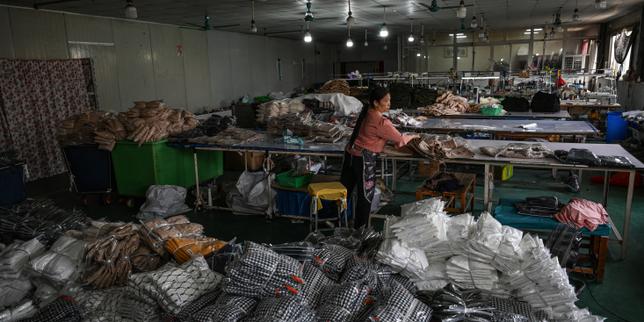
To understand why this matters, we have to look far away from the polished floors of London or the executive suites where these votes take place. We have to travel to the places where the raw materials are grown and the garments are dyed.
Imagine a cotton farmer in a region increasingly battered by erratic monsoons and degrading soil. To them, corporate climate goals are not a line item in an annual sustainability report. They are a lifeline. When a global luxury giant commits to sourcing regenerative agriculture, it changes the economic reality on the ground. It provides funding for better techniques, ensures stable pricing, and offers a glimmer of hope that the land will remain viable for the next generation.
When those goals are pushed back, the ripple effect is felt instantly. The investment slows. The transition to cleaner energy in the factories is paused. The old, carbon-heavy methods remain cheaper, and because the corporate mandate has relaxed, there is less pressure to change.
The contrast is stark. One person receives financial security that spans generations for hitting a short-term fiscal target. Meanwhile, the people at the very bottom of the production chain see their long-term environmental security compromised to help hit that exact same target.
The Fiction of Separating Wealth from Waste
There is a comforting myth that business schools love to teach. It suggests that financial performance and environmental responsibility exist on two entirely separate tracks. You can run a great business, optimize your profits, and then use those profits to do good in the world.
It is a beautiful idea. It is also entirely wrong.
In the modern global economy, everything is connected. The energy used to run the looms, the aviation fuel consumed to fly samples across continents, the synthetic fibers blended into textiles—these are the hidden costs of doing business. When a company decides to accelerate its financial incentives while decelerating its environmental commitments, it is making a profound philosophical choice. It is declaring that short-term shareholder value is a hard reality, while the health of the planet is a soft variable.
This isn't an isolated incident or a unique villain story. It is the prevailing weather pattern of modern capitalism. It is the reason why, despite hundreds of corporate pledges and glossy sustainability brochures, global emissions continue to rise. The rewards are still tied to the old ways of thinking.
The Weight of the Thread
We are left watching a strange performance. A brand built on the concept of enduring quality—on clothing meant to be passed down through families, surviving the elements—is choosing a path that prioritizes the immediate quarter over the coming decades.
The next time you see that iconic check pattern, look at it a little closer. The value of a luxury item was always supposed to be tied to its timelessness. It was an investment against the disposable, throwaway nature of modern life. But when the strategy behind the style becomes short-sighted, the luxury begins to feel brittle.
The boardroom will vote, the proxies will be counted, and the bonus structure will likely be approved. The executive will chase the £12.2 million target with everything they have. But as the climate deadlines slide further into the future, the true cost of that success will continue to accumulate, unmeasured and uncompensated, silently woven into every single stitch.