The air in South Block is heavy with the scent of old paper, polished mahogany, and quiet urgency. Outside, the Delhi summer presses down on the asphalt with a suffocating, shimmering weight, but inside the Ministry of External Affairs, the climate is surgically controlled. Yet, even air conditioning cannot cool the temperature of the cables arriving from Washington.
Imagine sitting at a teak desk under the hum of ceiling fans while a document rests before you—a legislative draft written thousands of miles away by lawmakers who have never smelled the dust of the Gangetic plains. That document carries a threat. It speaks of secondary sanctions, of financial penalties, of tightening screws on nations that refuse to fall in line with a unified Western front against Moscow.
Rajesh, a career diplomat whose hair has turned the color of winter salt over three decades of service, adjusts his glasses. He looks at the text. Then he looks out the tall arched window toward the secretariat buildings designed by Lutyens. He knows what this means. It is not just diplomatic friction. It is a fundamental collision between global ambition and historical memory.
To understand why New Delhi responds with quiet, unyielding steel when foreign capitals draft legislation targeting its economic ties with Russia, one must step back in time. History in India is not an academic subject tucked away in libraries; it is an active participant in every cabinet meeting.
Decades ago, when the newly independent nation was struggling to feed its people and build an industrial base from scratch, Western capitals were often hesitant or conditional in their support. When currency was scarce and industrial technology was locked behind proprietary walls, Moscow stepped forward. Soviet steel plants rose from the red earth of Bhilai and Bokaro. Soviet machinery plowed through bureaucratic inertia when foreign exchange reserves hit rock bottom. When geopolitical storms raged at the United Nations—most notably during the liberation of Bangladesh in 1971—it was the veto in Moscow that shielded a young republic from hostile naval fleets anchored in the Bay of Bengal.
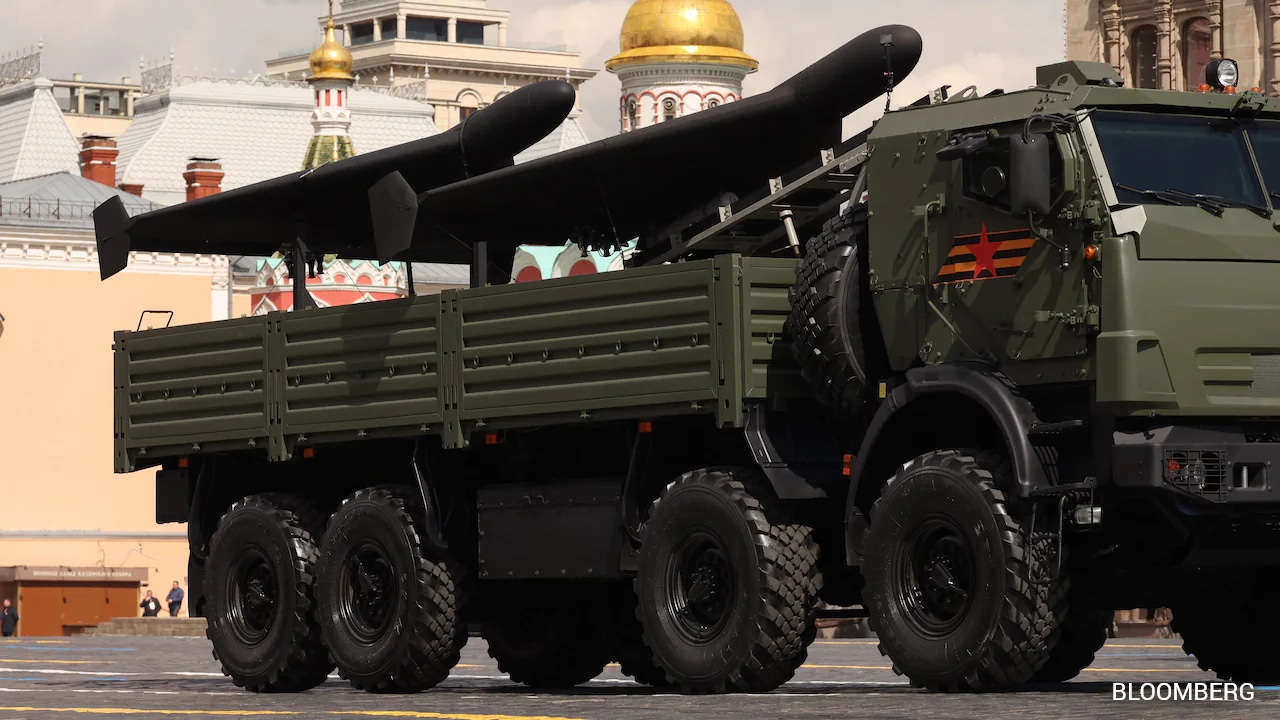
This is not to say the relationship was built on pure altruism. International relations recognize no such luxury. It was, and remains, a marriage of cold utility and deep institutional habit. Indian military hardware—from fighter jets rolling down runways to tanks guarding high-altitude mountain passes—bore the stamp of Soviet and later Russian engineering. Training pipelines, spare parts inventories, and maintenance protocols were forged over half a century. You do not simply turn off a machine that has kept your borders secure for generations because a distant senate passes a bill before lunch.
Yet the modern dilemma is far more complex than old artillery barrels and fighter jets. Today, the anchor of the relationship is energy.
Walk through the sprawling port complex of Vadinar or Mundra on the western coast of Gujarat. The air smells of salt, sulfur, and burning fuel. Massive tankers, rusted at the waterlines and flying various flags, dock with rhythmic precision. Inside enormous refineries, crude oil pumped from Siberian fields is cracked, refined, and transformed into aviation turbine fuel, diesel, and gasoline that powers cars in Mumbai, tractors in Punjab, and airplanes soaring over the Arabian Sea.
When the conflict in Ukraine erupted and Western nations slammed heavy embargoes on Russian petroleum, global energy markets fractured. Prices spiked to levels that threatened to choke developing economies worldwide. For a country of 1.4 billion people striving to lift millions out of poverty, expensive energy is not a political talking point. It is an existential threat. High fuel costs cascade through everything. They inflate the price of transporting vegetables to urban markets, raise the cost of fertilizer for farmers preparing for the monsoon sowing, and drain foreign exchange reserves at an alarming rate.
Faced with this economic precipice, New Delhi made a calculated, sovereign choice. It did not join the chorus of sanctions. Instead, it purchased discounted crude oil, turning a geopolitical crisis into a stabilizing cushion for its domestic economy. Critics in Western capitals called it a loophole. Economists in Indian financial institutions called it survival.
When the United States Congress introduces new sanctions bills aimed at penalizing nations that maintain commercial lifelines with Moscow, the reaction from South Block is characteristically measured, yet uncompromising. The official statements use polite diplomatic terminology, speaking of protecting trade and economic interests. But behind those polished phrases lies a stark reality: India answers to its own citizens, not to foreign legislatures.
Consider what happens if a nation surrenders its economic autonomy to satisfy another country's foreign policy objectives. Factories in industrial corridors would shutter under the weight of surging power bills. Inflation would soar, eating away at the modest savings of middle-class families. Supply chains would fracture. A government that permits its citizens to suffer economically simply to appease external powers would fail its primary mandate.
External Affairs Minister S. Jaishankar has articulated this stance with a bluntness that often startles traditional Western diplomats. He has repeatedly pointed out the double standard inherent in global trade critiques. When European nations continued purchasing Russian natural gas through various intermediaries even as they lectured developing nations about morality, the hypocrisy was glaring. Europe's energy needs were treated as a complex necessity; India's energy purchases were framed as diplomatic defiance.
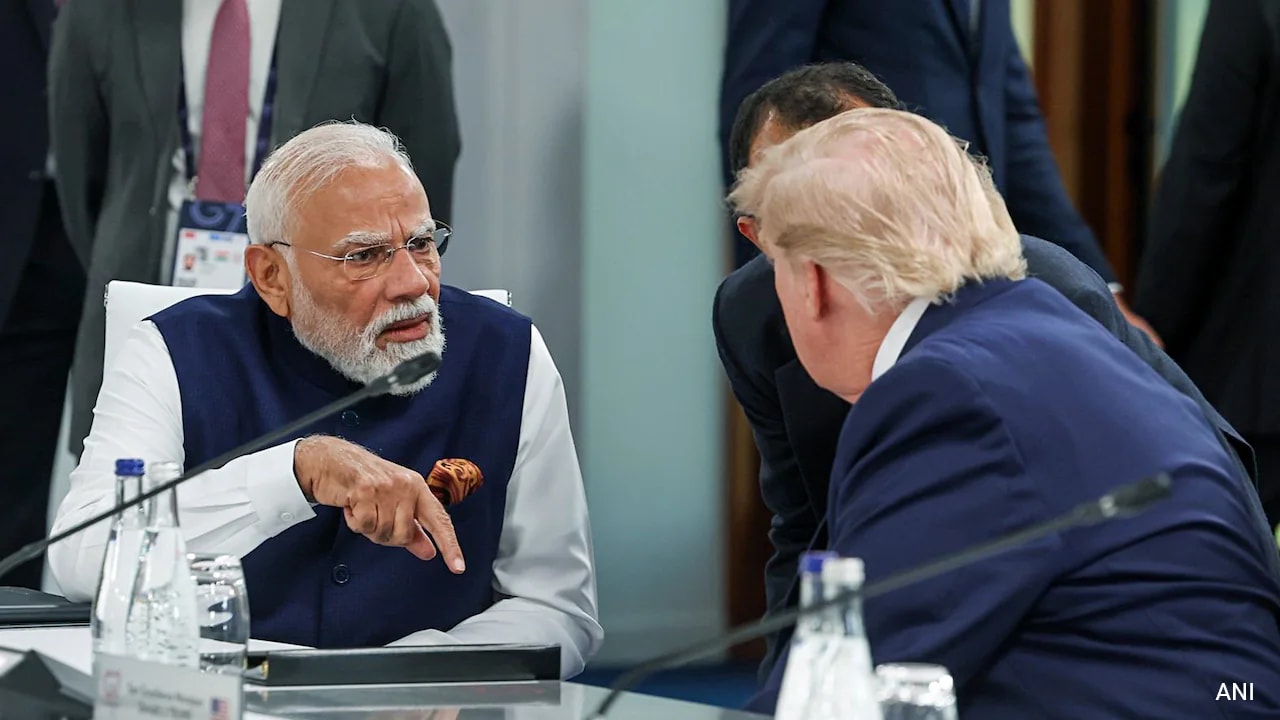
Delhi's foreign policy doctrine is rooted in what observers call strategic autonomy, though seasoned diplomats simply call it common sense. India refuses to be a satellite state in anyone's orbit. It maintains a deep and multifaceted partnership with the United States through security dialogues, technological sharing initiatives, and joint naval exercises in the Indo-Pacific to counter shared regional concerns. At the same time, it maintains its historical commercial and defense ties with Russia. It buys oil from Moscow while purchasing defense equipment from Washington and Paris. It sits at the table with Western leaders one afternoon and joins BRICS summits with emerging economies the next.
This multi-aligned choreography requires extraordinary diplomatic balance. Every statement is weighed for its resonance in Washington, Moscow, Beijing, and European capitals. A misstep could alienate vital technology partners in the West or cut off essential resource lifelines in the East.
Yet, the core principle remains non-negotiable. Economic sovereignty is the bedrock upon which all other freedoms rest. If a government cannot independently decide from whom to buy oil, where to source fertilizer, or how to maintain its defense inventory, then sovereignty is nothing more than a flag flying over an empty building.
As the legislative machinery in Washington churns out new iterations of sanctions bills, policymakers in New Delhi continue their meticulous calculations. They look at shipping insurance rates, currency exchange fluctuations, maritime routes, and domestic inflation indices. They weigh the noise of foreign posturing against the quiet, steady hum of domestic production.
The story of modern India's foreign policy is not one of rebellion for the sake of drama. It is a quiet, persistent insistence on agency. It is the realization that in a multipolar world where old hegemonies are fraying and new powers are rising, a nation of over a billion people cannot afford to outsource its vital interests to the highest bidder or the loudest critic.
When the next diplomatic cable arrives on the teak desk in South Block, bearing new threats of financial penalties or trade restrictions, Rajesh will read it carefully. He will note the legal clauses, consult with his trade attachés, and draft a response. That response will be polite, measured, and entirely unmoved. Trade will continue. Interests will be protected. The wheels of a billion lives will keep turning, driven by the quiet certainty that a great nation must chart its own course through the storm.
The tankers will keep arriving at Vadinar. The refineries will keep burning. And in the heart of Delhi, beneath the relentless summer sun, the work of safeguarding an independent future will go on without pause.