The rain in British Columbia does not care about political arithmetic. It falls the same heavy, indifferent gray on the cedar-shingled roofs of the Fraser Valley and the gleaming glass towers of downtown Vancouver, slicking the asphalt where commuters grip their steering wheels and wonder, for the thousandth time that month, how grocery prices outpaced their paychecks by half.
By week two of the provincial election campaign, the air inside campaign buses smelled stale and smelled of ambition. Outside, the reality was much simpler: a thirteen-billion-dollar hole in the ground.
Numbers that large lose their teeth. They float through television screens like smoke, too big to picture, too distant to feel. But down on the ground, in the quiet corners where small-business owners look at property tax assessments or parents count the dollars left over after childcare, numbers have weight. They bruise.
Consider a hypothetical shopkeeper named Elena, who wakes up before dawn in a Vancouver suburb to turn on the lights of her bakery. She does not care about the abstract poetry of gross domestic product or the high-stakes chess match between political parties. She cares about the flour delivery that costs twenty percent more than it did last year, the hydro bill that arrives with an ominous thud, and the lingering dread that one more unexpected expense will tip her tiny operation into the red.
When politicians descend on the province with competing visions for the economy, they are talking about Elena, even if they never say her name.
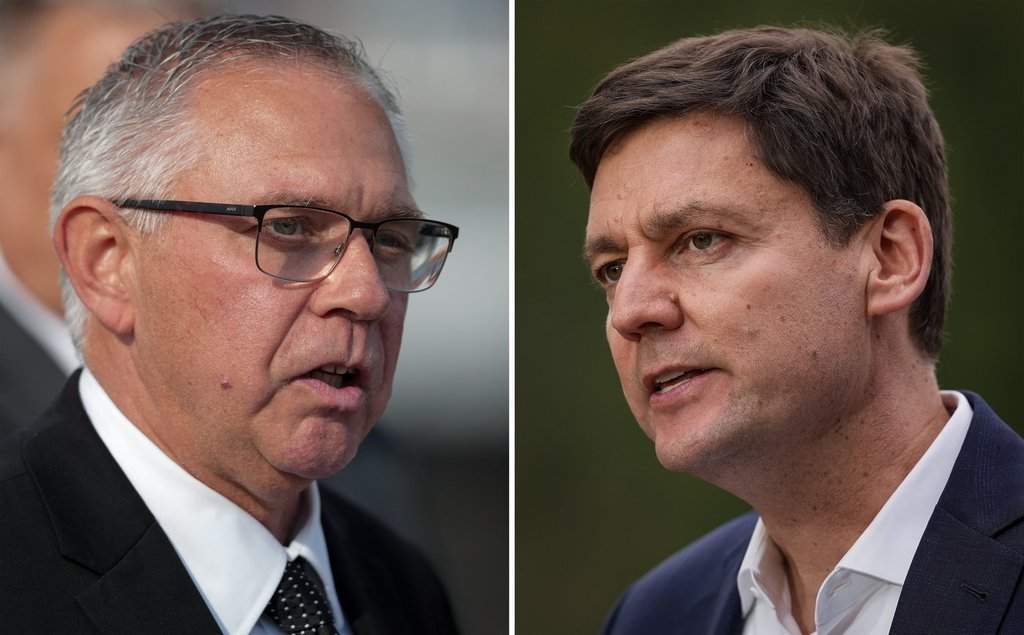
During the second week of the campaign, the debate sharpened into an uncomfortable collision over the province's massive deficit. On one side stood the incumbent New Democrats, defending a ledger scarred by years of high spending. On the other stood the Conservatives, pointing an accusing finger at the red ink while pledging a freeze on new taxes. Both sides offered the same seductive promise: growth. Build more, dig more, export more, and the deficit will simply vanish under a rising tide of resource wealth.
It sounds clean. It sounds reassuring. But math is a stubborn thing.
When challenged about how a future government could balance the books while promising not to raise a single tax, Conservative figures admitted that an immediate fix was nearly impossible. The timeline grew hazy. The guarantees softened. Across the aisle, the incumbent premier was quick to pounce, warning that freezing revenues while facing multi-billion-dollar shortfalls meant only one thing: something has to give, and it usually gives at the doors of hospitals and classrooms.
This is where the political theater brushes up against human skin.
When budgets tighten in government offices, they fray in emergency rooms. They stretch thin in classrooms where thirty kids share textbooks printed twenty years ago. Every promise made on a campaign stage carries a hidden invoice, and it is rarely paid by the people standing behind the podium.
The strange irony of the second week was how closely the warring camps resembled each other in their desperation to court the resource sector. Both leaders looked toward liquefied natural gas and major energy projects as the magical engine that would pull the province out of fiscal quicksand. They traded scripts on resource development, arguing not over the destination, but over who was better equipped to steer the vehicle.
Yet beneath the polished talking points lay a deeper public exhaustion. British Columbians have grown tired of being caught between competing anxieties. There is the immediate terror of the cost of living—rent that swallows entire paychecks, gas prices that punish anyone forced to commute, and the quiet erosion of purchasing power. And then there is the longer, slower dread of climate and consequence, knowing that the very resource extraction promised as a financial savior brings its own complicated environmental tab.
Out on the campaign trail, the leaders smiled, shook hands, and promised that prosperity was just an election away. They talked about trimming waste and unlocking potential, painting pictures of a future where the ledger finally balances itself.
Back at the bakery, Elena turns off the oven. She wipes flour from her hands and looks at the stack of bills waiting on the counter. She does not know which party will win the election, and she is beginning to suspect that whoever takes the reins will find the same daunting books waiting for them on Monday morning. The campaign speeches will fade. The signs will come down from the telephone poles. And the ledger will remain, waiting for someone to pay what is owed.