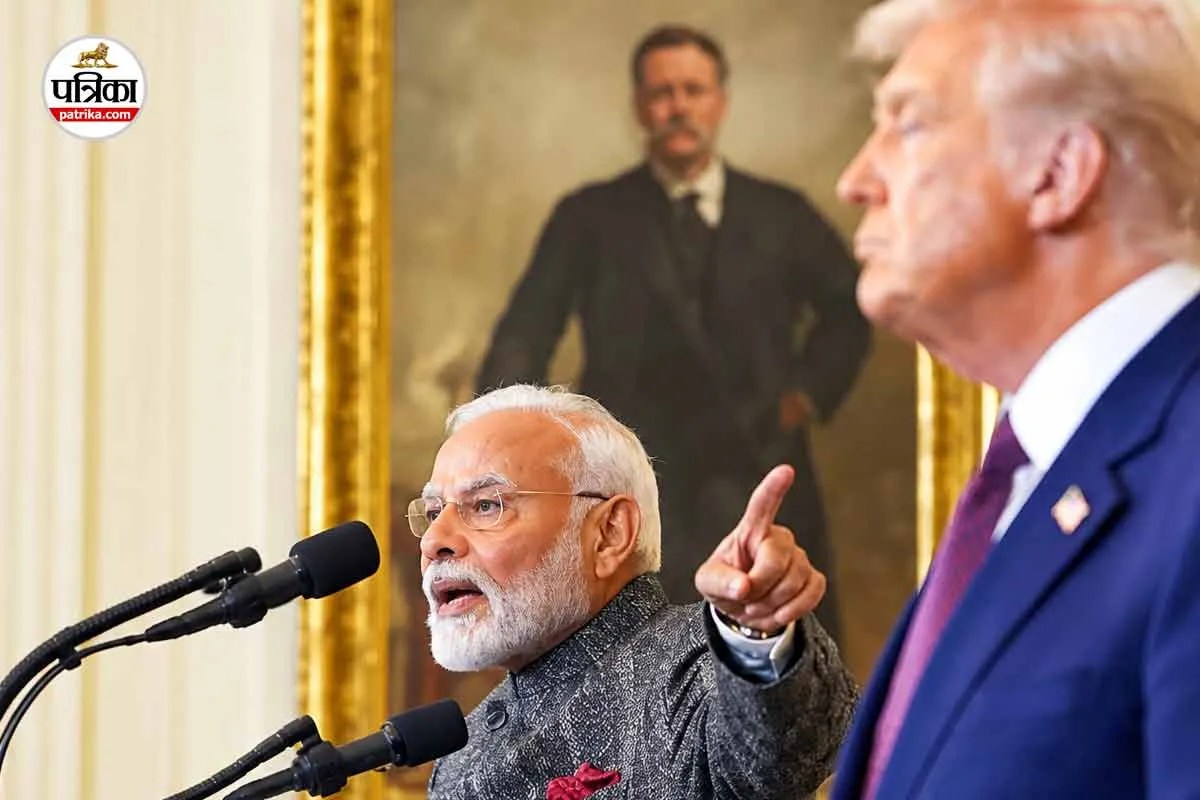
Ink dries quickly on official parchment in Washington and New Delhi, but the consequences linger like smoke in a crowded room.
Imagine walking through a bustling workshop in an industrial suburb where the hum of machinery usually sounds like steady progress. Today, the rhythm feels anxious. Workers pause over blueprints, whispering about a number that changes everything: one hundred percent. A tariff of that magnitude is not merely a tax on goods crossing an ocean. It is a heavy iron gate dropped suddenly across a path built over decades of cautious, hopeful diplomacy.
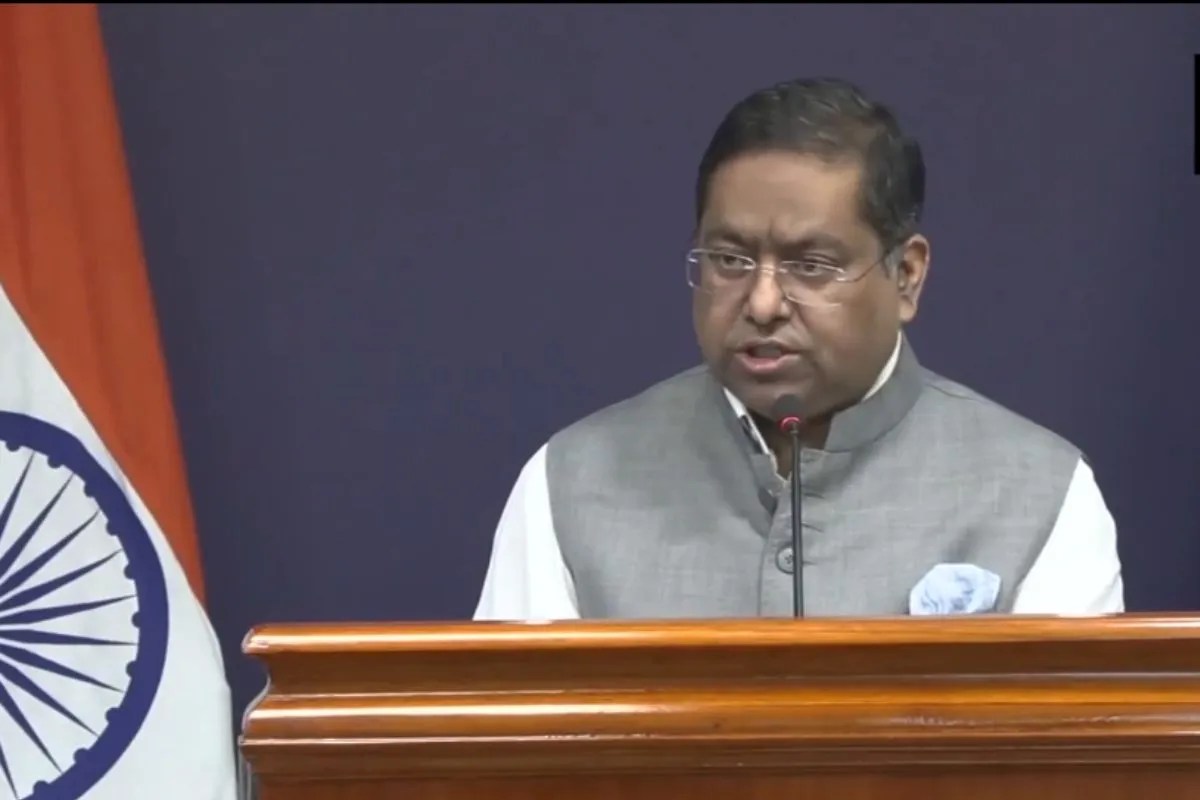
When the Ministry of External Affairs in New Delhi stepped forward to address the sudden shadow cast by proposed American legislation featuring steep, punitive levies, the official tone was measured. Yet, beneath the diplomatic phrasing lay an unmistakable truth. Trade is rarely just about dollars and cents. It is about trust, shared ambitions, and the delicate equilibrium of global influence.
To understand why this moment carries such heavy air, we must look backward before looking forward. For years, the economic relationship between the United States and India has been framed as a natural alignment. Two massive democracies finding common ground in an increasingly unpredictable world. Supply chains stretched across the Pacific and Indian Oceans, connecting software engineers in Bengaluru with hardware assemblers in Ohio, creating a web of mutual reliance.
Then comes the sudden threat of a doubling tariff wall.
Why now? Political winds shift unpredictably in capitals far removed from the factories that feel the shockwaves. A bill proposing steep retaliatory duties or protective measures against nations engaging in specific economic practices can sound appealing on a campaign stage. It promises protection. It projects strength. But economics rarely operates in a vacuum.
When a superpower imposes a steep tariff on a strategic partner, the immediate casualty is predictability. Exporters hesitate. Investors hold their breath. Contracts signed months ago suddenly look financially perilous. A small manufacturer in western India who spent years tailoring products to American specifications now faces a stark choice: absorb the crippling cost or abandon a market built through relentless grit.
Consider the human element in this equation. Behind every statistical drop in export volume lies an unwritten story. A family-owned business forced to freeze hiring. An ambitious young engineer whose dream of leading an international project is put on indefinite hold because margins have vanished overnight. These are the invisible stakes of high-stakes geopolitical posturing.
Diplomats must weigh these human costs against grand strategies. The Ministry’s recent statement did not panic, but it did warn. It signaled that friendship cannot be taken for granted when economic pressure is applied without warning. Nations navigating shared security concerns in the Indo-Pacific cannot easily compartmentalize their disputes. Economic friction inevitably bleeds into strategic alignment. If two partners begin to view each other through the lens of suspicion and protectionist hostility, the larger architecture of cooperation begins to strain.
What happens next depends entirely on the willingness of leaders in both nations to step back from the brink of transactional hostility. Diplomacy requires patience. It demands the ability to look past short-term domestic political gains to see the long-term horizon of shared stability.
A handshake takes two hands. When one hand reaches for a tariff hammer, the other instinctively pulls back to protect its interests. The world is watching to see if these two giants can remember what brought them together in the first place, or if they will allow a wall of tariffs to divide what geography and history have spent decades trying to unite.
The room grows quiet as the latest reports tick across the screen. Somewhere across the globe, a cargo ship weighs anchor, its containers loaded with goods whose ultimate destination and price remain frustratingly uncertain. The paper may be signed, but the true cost has only just begun to unfold.