The broth is never just broth.
Spend enough time watching the steam rise off a counter in central London at noon, and you start to see the machinery beneath the porcelain. The clatter of ceramic bowls, the sharp sting of fresh ginger, the swift slide of trays—it looks effortless. It looks like an afternoon craving satisfied for twelve pounds fifty. But behind that steamy veil sits a ledger of immense ambition. It sits on the shoulders of private equity firms, quiet spreadsheets, and the relentless pressure to scale a concept born from a simple desire for good food into a global empire.
Bridgepoint knows this machinery better than most.
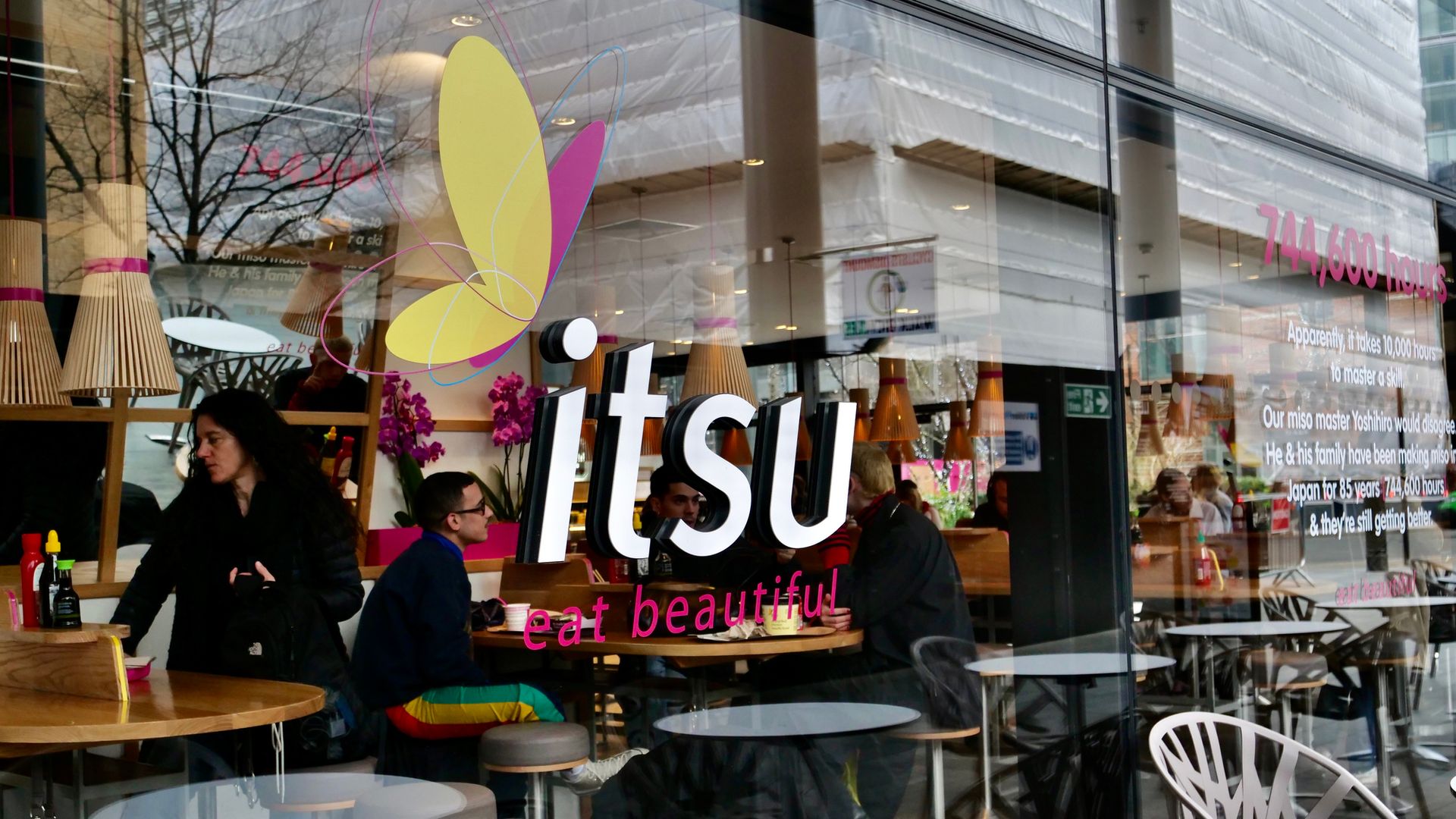
For years, the private equity giant has held a stake in Itsu, the Japanese-inspired restaurant chain founded by Julian Metcalfe, the man who helped teach Britain how to eat sushi on a park bench via Pret A Manger. When Itsu first opened its doors in Chelsea back in 1997, it was an eccentric bet. British palates were unaccustomed to raw fish sold in grab-and-go boxes. They were used to heavy pies, warm pubs, and Sunday roasts. Metcalfe changed that rhythm. He introduced a lighter pulse to the urban lunch break, turning seaweed and salmon into staples of the corporate rush hour.
Growth demands fuel.
Enter Bridgepoint. Back in 2017, the investment firm pumped millions into Itsu, buying a significant minority stake with a singular, unromantic objective: multiplication. Private equity does not buy restaurant chains to admire the decor. They buy them to turn single streets into neighborhoods, neighborhoods into cities, and cities into international networks. They want airports. They want train stations. They want dark kitchens humming in industrial parks, churning out steamed gyoza for app drivers before the rain hits the pavement.
Imagine sitting in a boardroom on the thirty-second floor of a glass tower, looking down at the tiny, frantic ants below. To you, those ants are foot traffic. They are demographic quadrants. They represent the average spend per head, the velocity of table turnover, and the EBITDA margins of Asian-fusion fast-casual dining. When Bridgepoint looks at Itsu, they see an asset that has matured. The footprint has expanded across the United Kingdom, stretching into grocery aisles with packaged snacks, and planting seeds overseas.
Yet, every expansion carries a quiet friction.
The founders dream of flavor, of the perfect crunch, of a culture that respects its inspiration. The investors dream of multiples, of liquidity events, of the moment they can gracefully exit the ride with a handsome return on capital. That moment has arrived at the front door. Reports indicate that Bridgepoint is exploring a sale of its stake, weighing options to cash in on a brand that survived the brutal pandemic years, adapted to delivery apps, and emerged leaner, tougher, and hungrier than before.
Consider what happens next: a valuation exercise.
How do you price the smell of toasted sesame and hot rice? You do it with multipliers. You look at the post-lockdown recovery of high-street retail. You analyze the resilience of the consumer who might trade down from fine dining but refuses to give up their lunchtime dumpling fix. Itsu positioned itself precisely in that sweet spot—accessible luxury, clean eating, fast service. It is a business model designed to weather economic storms because people will always need to eat quickly between meetings, even when the macroeconomic skies turn grey.
Values fluctuate. Ambitions collide.
Metcalfe and his team built something enduring, but endurance requires capital, and capital always expects an eventual accounting. If Bridgepoint unloads its stake, Itsu will not close its doors. The neon signs will stay lit. The bowls will keep arriving. But the invisible hand steering the ship will shift its grip. A new buyer will step into the light, bringing new expectations, new targets, and a fresh appetite for expansion.
This is the hidden life of your lunch.
It travels thousands of miles in the form of supply chain logistics before it ever reaches your tray. It survives corporate buyouts, debt restructuring meetings, and strategic reviews in quiet conference rooms. When you bite into a hot vegetable gyoza, you are tasting more than cabbage and ginger. You are tasting the quiet negotiations of modern capitalism, where every grain of rice is counted, and every expansion plan is written in ink that dries very, very fast.
The kitchen keeps moving. The city keeps rushing. And somewhere out there, a ledger opens to a fresh page, waiting for the next buyer to write the next chapter.