In the dimly lit corridors of global diplomacy, peace rarely comes cheap, and it almost never comes out of pure goodwill.
Behind closed doors in Islamabad, civil servants measure national survival in weeks of foreign exchange reserves. Their ledgers tell a brutal story. When a nation's central bank account shrinks to a shadow of what is needed to cover basic imports, everyday necessities transform into luxuries overnight.
Consider a small wheat farmer in Punjab named Tariq. He does not read high-level diplomatic cables or track international finance markets. Yet every choice made in distant capital cities dictates whether he can afford fertilizer for his crops or medicine for his daughter. Tariq lives at the end of a long, invisible chain—one anchored by sovereign debt, soaring inflation, and the razor-thin margin of state survival.
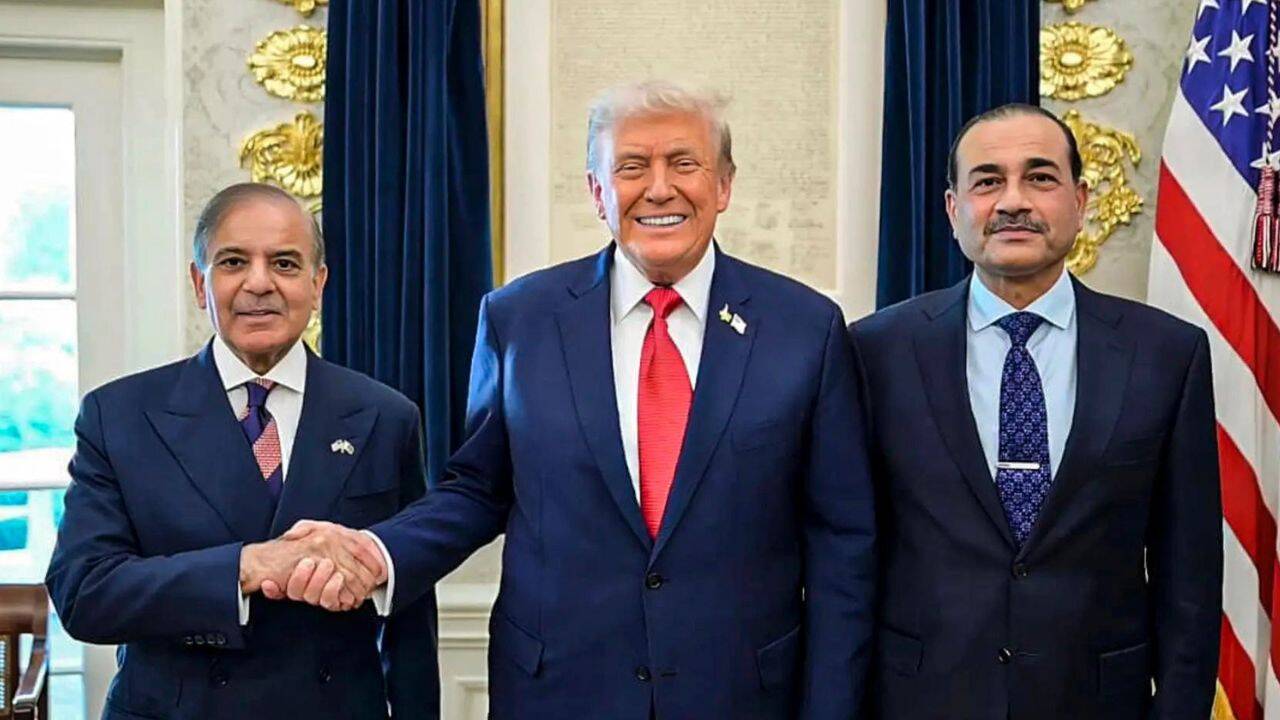
For months, the geopolitical stage watched a dangerous standoff unfold between Washington and Tehran. Tension hung heavy over the Persian Gulf. A single misstep threatened to spark a regional conflict with devastating global fallout. Then came a quiet shift. Pakistan stepped into the breach as a facilitator, offering a channel for communication when direct dialogue had broken down.
Backchannel diplomacy is agonizing work. It involves late-night phone calls, coded messages, and subtle assurances passed through emissaries in neutral hotel rooms. It requires patience, discretion, and enormous political capital.
Pakistan took on that burden.
Now, with the immediate crisis dialed back, the bill has arrived.
Islamabad is quietly seeking a $10 billion financial package. Some diplomatic observers are calling it a "brokerage fee" for playing peacekeeper. In reality, it is a desperate attempt to stabilize a bleeding economy.
To understand why a country would leverage its diplomatic weight for a cash injection, look at the arithmetic of survival. When sovereign debt payments loom and foreign reserves hover near critical levels, traditional economic tools fail. Raising taxes on an already exhausted populace risks civil unrest. Borrowing more from traditional lenders comes with crushing conditions.
So, states turn to the currency they have left: geography and influence.
Geopolitics operates on a cold balance sheet. When powerful nations avoid direct war because an intermediary kept lines of communication open, value is created. Pakistan's argument is simple. If its diplomatic bridge prevented a multi-billion-dollar conflict that would have sent global oil prices through the roof, then maintaining the stability of that bridge is a shared interest.
Critics call it extortion. Pragmatists call it transactional diplomacy.
For the people living through the crisis, the labels do not matter.
What matters is whether the lights stay on. What matters is whether the fuel pumps have gasoline tomorrow morning. What matters is whether Tariq can sell his wheat at a price that covers his debts.
The international financial system was not built for human nuance. It views nations as credit scores and balance sheets. But behind every billion-dollar request is a population trying to weather an economic storm it did not create.
The negotiation for this financial lifeline is ongoing. Western capitals weigh the precedent of paying for diplomatic facilitation against the dangerous alternative of a nuclear-armed state falling into total economic collapse. It is a calculation made of cold strategy, stripped of all idealism.
In the end, international relations remain fundamentally transactional. Nations do not have permanent friends; they have permanent interests. Right now, Pakistan's most urgent interest is keeping its economy afloat, and it is using every ounce of leverage it possesses to ensure it does not sink beneath the waves.


