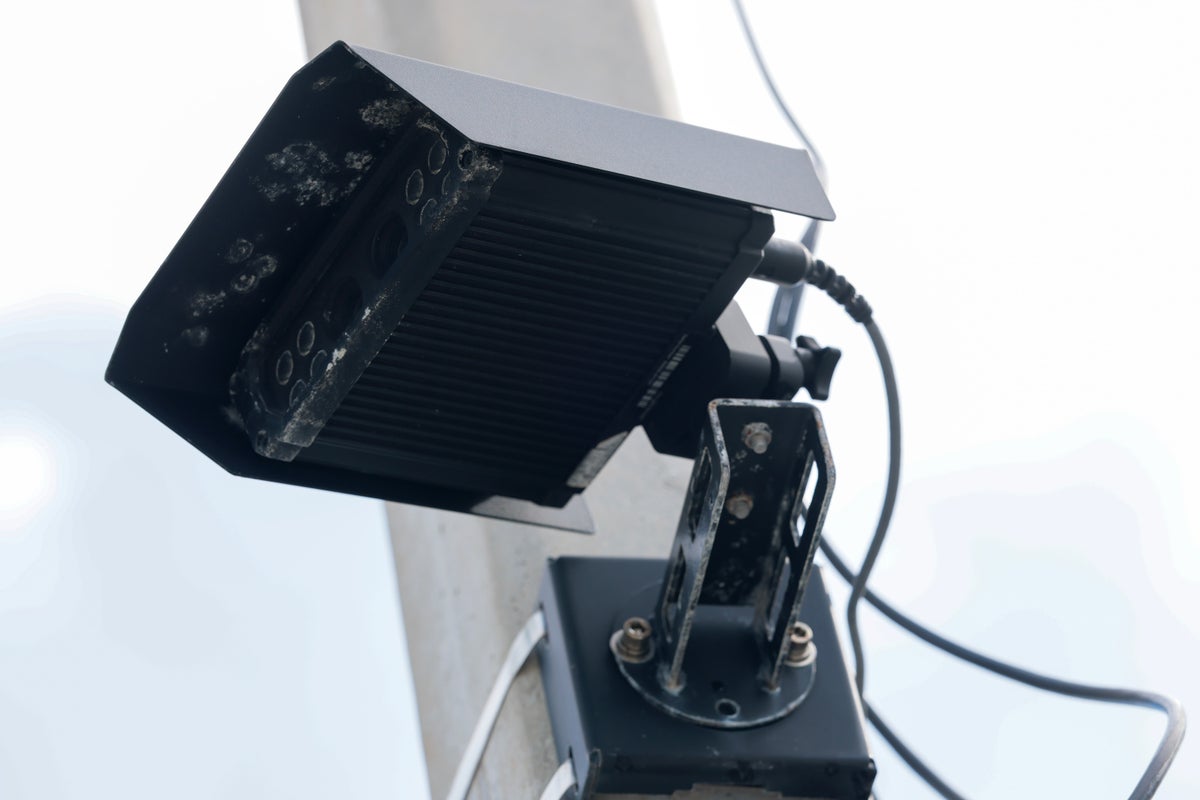
Drive down almost any main road today, and you will spot them. Small, solar-powered boxes mounted on utility poles, quietly scanning every license plate that passes by. For years, law enforcement agencies welcomed these automated systems as a miracle cure for property crime and stolen vehicle recovery. But the political tide has shifted overnight. Politicians from the far left to the hard right are suddenly demanding these AI-backed trackers come down.
Let's look at why this backlash is happening right now, and why it goes far beyond standard partisan politics.
The Reality of Mass Digital Lineups
When companies like Flock Safety first introduced automated license plate readers, local governments bought into the pitch. The promise was simple: catch criminals, find missing persons, and keep neighborhoods safe with minimal friction. Cities didn't just buy a few cameras; they plugged into a massive, interconnected network.
That network sharing is where the trouble started. When a suburban police department shares its database with neighboring towns, state troopers, and federal agencies, everyday citizens get swept into a permanent digital tracking net. You don't have to break the law to have your daily commute logged, timestamped, and stored for weeks or months.
Critics point out a harsh truth. No law-abiding citizen expects to enter a digital lineup just for driving to the grocery store.
When Police Powers Go Too Far
The strongest ammunition for politicians pushing bans isn't abstract theory. It's documented abuse. Investigative reports revealed that dozens of law enforcement officers across the country used these private networks for unauthorized personal snooping.
Officers have been caught using automated readers to track ex-partners, stalk citizens, and dig into personal lives without warrants. When the internal audits fail to catch these bad actors quickly, the illusion of safe oversight shatters.
Governors and mayors are responding to the fallout. In Texas, state funding for these surveillance expansion projects hit a brick wall after investigations uncovered millions funneled into automated tracking grids. Pennsylvania politicians across the aisle have voiced support for outright bans. High-profile federal lawmakers are launching formal congressional probes.
An Unlikely Bipartisan Alliance
You rarely see lawmakers agree on anything substantive, let alone emerging technology. Yet surveillance networks have created a strange political crosswind.
Traditional conservatives view the proliferation of private-public tracking grids as a direct violation of small-government principles and constitutional privacy rights. Progressives worry about how automated tools disproportionately impact vulnerable communities and amplify systemic overreach. Libertarians and everyday centrists are simply exhausted by the creep of corporate-backed monitoring into public spaces.
When Bernie Sanders and conservative populist lawmakers end up on the same side of a tech policy debate, the industry has a massive credibility problem.
What This Means for Local Communities
If your city council is currently weighing a contract renewal for automated license plate readers, expect a fight. Residents are packing town halls to push back against data retention policies that hoard location records for thirty days or more.
Fixing this mess requires real accountability. Cities need to demand strict transparency, slash data retention windows from months to days, and require active judicial warrants before any network-sharing mode gets switched on. Public safety tools cannot function as a backdoor pass to mass surveillance.
Check your local municipal meeting agendas, find out if your police department contracts with private automated tracking networks, and let your elected officials know where you stand before the contract renews.


