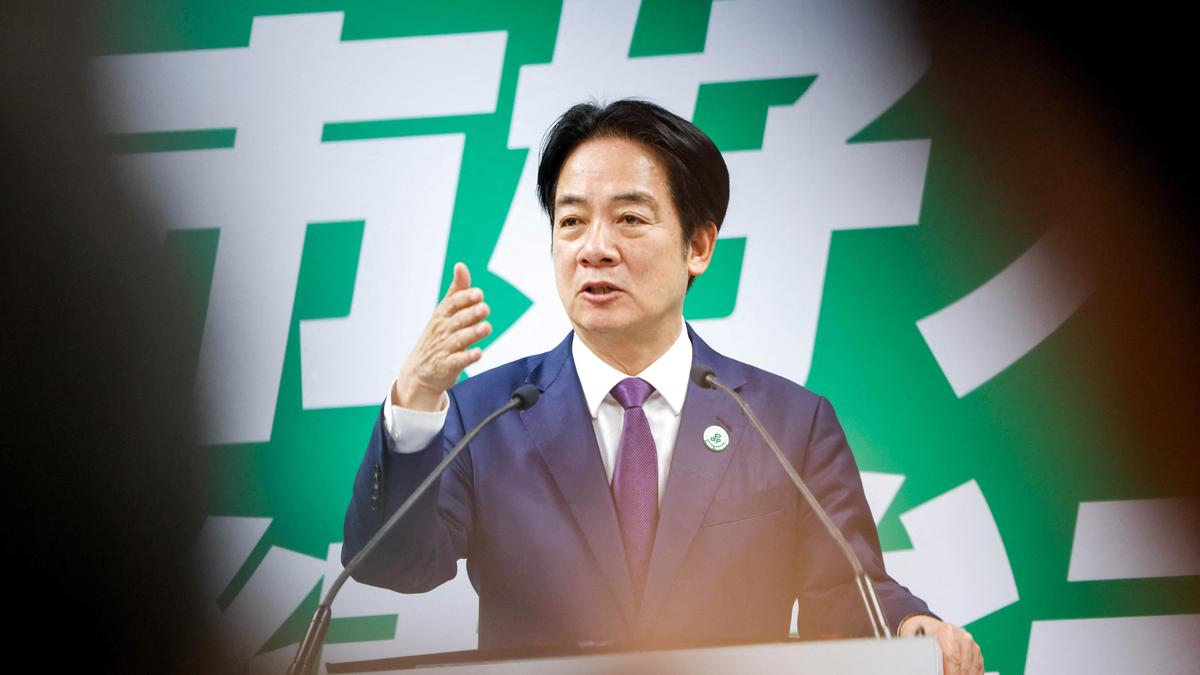
Taiwan just witnessed its first presidential impeachment vote in history. On May 19, 2026, the opposition-controlled Legislative Yuan gathered to vote on whether to push President Lai Ching-te out of office. Predictably, the motion tanked.
The vote brought in 56 lawmakers in favor and 50 against, with seven legislators not collecting their ballots. To actually advance an impeachment to the Constitutional Court, Taiwan’s rules require a two-thirds supermajority. In a 113-seat parliament, that means hitting 76 votes. The opposition coalition fell 20 votes short.
While the outcome was never truly in doubt, treating this purely as a failed piece of political theater misses the bigger picture. This stunt was a stress test for Taiwan's institutional framework. The bitter deadlock between the executive branch and a hostile legislature is pushing the island's democracy into uncharted, risky territory.
The Cold Cash Fight That Sparked a Constitutional Crisis
You might think an impeachment vote would stem from a massive bribery scandal or foreign espionage. Instead, this entire saga kicked off because of a fight over how tax dollars get divided.
Late last year, the main opposition party, the Kuomintang (KMT), teamed up with the smaller Taiwan People’s Party (TPP) to pass a series of aggressive amendments to the Act Governing the Allocation of Government Revenues and Expenditures. Essentially, the opposition used its combined legislative majority to rewrite the rules so that a massive chunk of central government tax revenue would be handed over to local governments. Since the KMT controls most of Taiwan’s local mayoralties and county seats, the move was a direct financial power grab.
President Lai’s administration refused to play along. Premier Cho Jung-tai took the unprecedented step of refusing to countersign the legislation. Without that signature, Lai wouldn't promulgate the bill, rendering it completely dead in the water.
The opposition went ballistic. KMT spokespeople accused Lai of behaving like a dictator and overriding the will of a democratically elected parliament. The administration countered that the fiscal bill was an unconstitutional overreach that would starve national development projects and defense spending. By December, the KMT and TPP retaliated by launching the impeachment process.
A Broken System of Checks and Balances
What we are looking at is a fundamental flaw in how Taiwan's government is structured. It is a semi-presidential system that lacks a clear mechanism to break a total shutdown between a president and a parliament who despise each other.
When Premier Cho blocked the revenue bill, he argued the Cabinet was forced to act because of an ongoing gridlock within the Constitutional Court. He explicitly told the opposition that if they hated his decision, they could use their constitutional right to launch a no-confidence vote against him. If a no-confidence vote passes, the premier has to resign, but the president can also dissolve parliament and call for snap elections.
The opposition didn't want to risk their seats in a new election. They knew the public might punish them for freezing the government. So, they chose the path of maximum drama instead: trying to impeach the president on the eve of his second anniversary in office.
The ruling Democratic Progressive Party (DPP) has held nothing back in its rhetoric. DPP lawmakers openly accuse the KMT and TPP of working in lockstep with Beijing to paralyze Taiwan from within. While the opposition scoffs at those claims, the sheer vitriol in Taipei makes normal governance completely impossible.
The Immediate Impact on Domestic Stability
This political warfare isn't happening in a vacuum. It has real, day-to-day consequences for Taiwan's stability and defense posture.
While lawmakers were screaming at each other in Taipei, massive geopolitical shifts were happening right down the street. Just days ago, US President Donald Trump wrapped up talks with Chinese leader Xi Jinping, later revealing that he is still mulling over a major arms package for Taiwan. When the central government is completely bogged down fighting for its life against its own parliament, negotiating complex international arms deals and securing long-term defense budgets becomes a logistical nightmare.
The internal gridlock also sends a terrible signal to Washington and other global allies. If Taiwan cannot manage its own domestic legislative affairs without resorting to historic impeachment attempts over tax distributions, foreign partners start to question the island's internal resilience.
Moving Past the Gridlock
The failed vote clears the immediate threat to Lai's presidency, but it leaves the underlying political rot untouched. The opposition will continue to use its razor-thin majority to block budgets, stall appointments, and choke the executive branch.
If you want to see how Taiwan moves past this, watch how both sides handle the upcoming legislative sessions. The administration needs to stop relying on executive vetoes and find ways to buy off moderate elements of the opposition on local infrastructure spending. At the same time, the KMT and TPP need to realize that weaponizing extreme constitutional measures like impeachment for routine policy disputes alienates moderate voters who just want a functioning government.
Expect more fireworks in the Legislative Yuan. The impeachment is dead, but the war for control over Taiwan's political future is just getting started. Keep a close eye on the defense budget debates next month; that will be the real indicator of whether Taipei can still govern itself when the chips are down.